Why Choose Us
Choose Sichuan Rongteng Automation Equipment Co., Ltd. Not only do you choose a professional leader with 26 years of industry experience, but you also choose a strategic partner who understands your needs
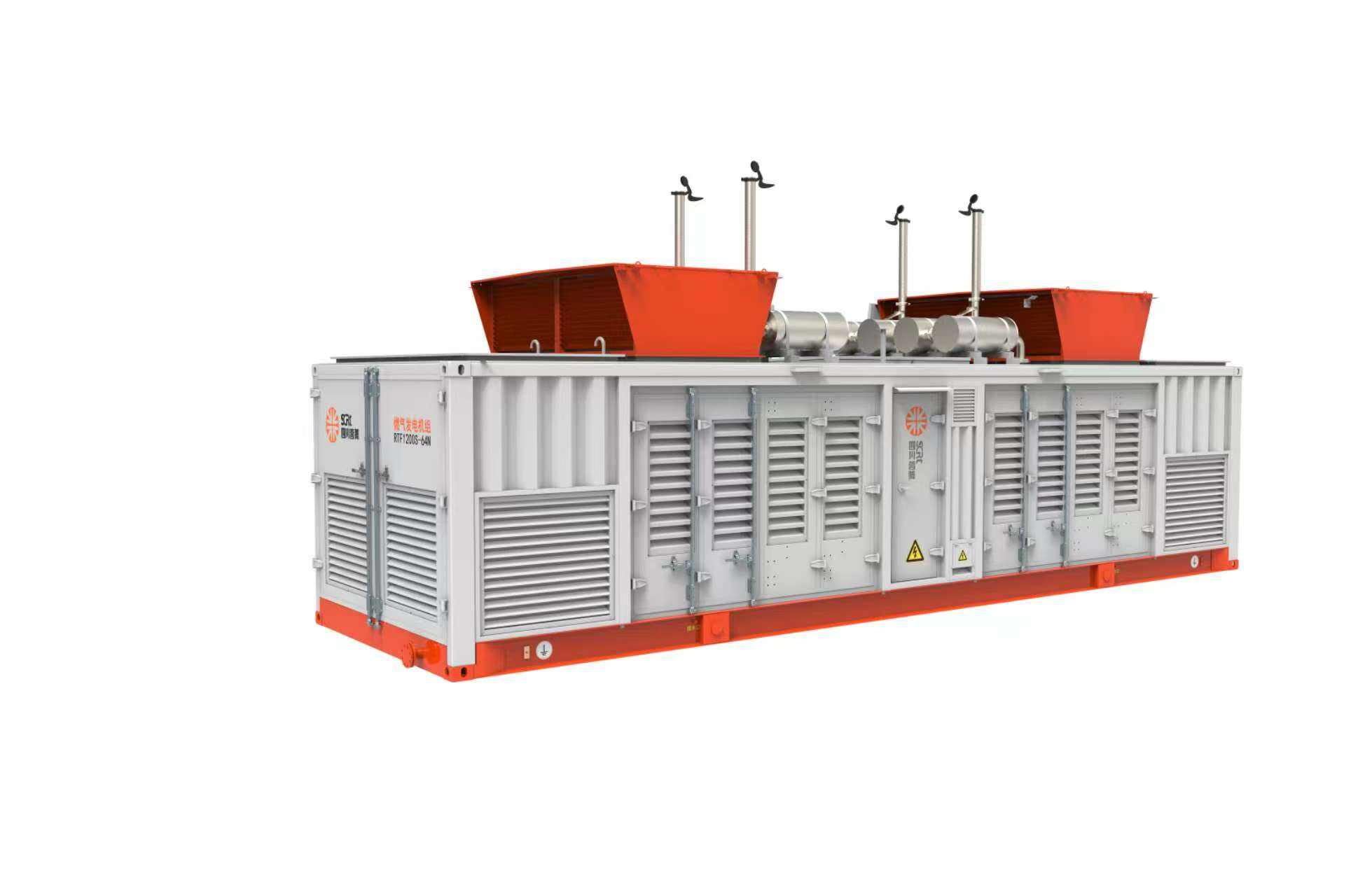
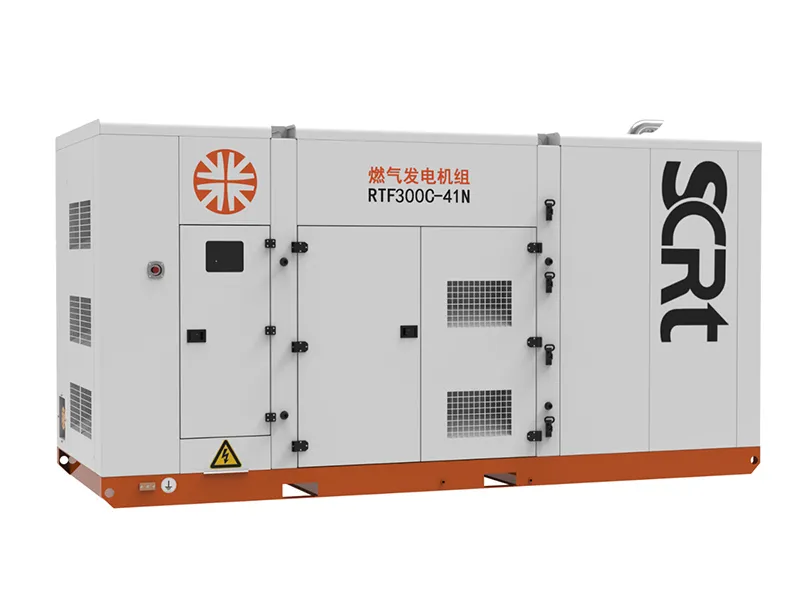
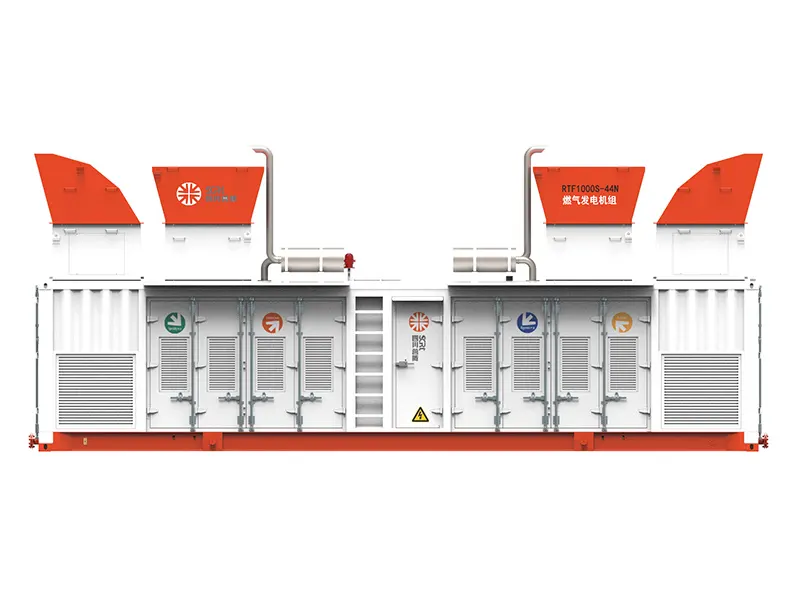
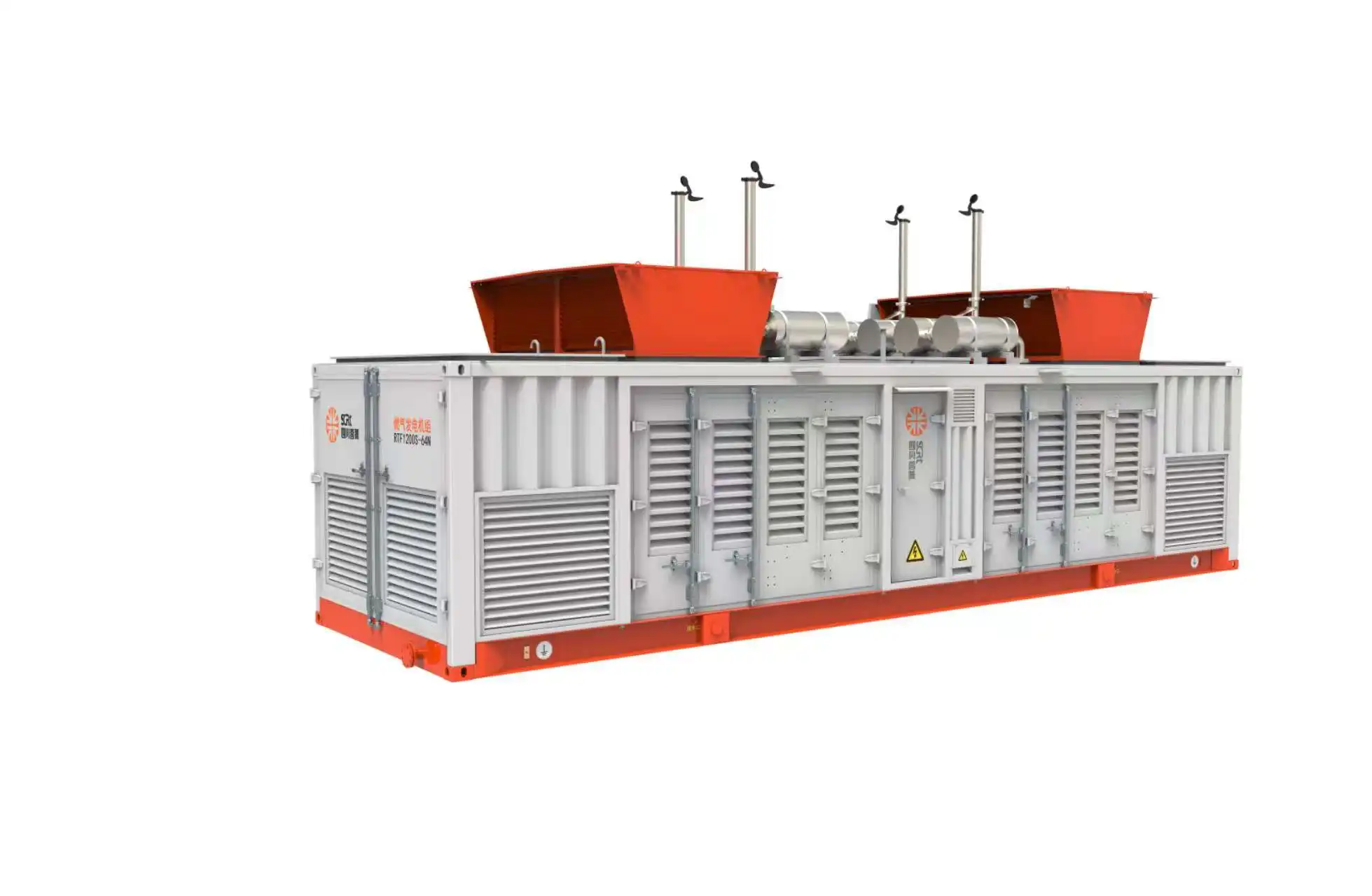
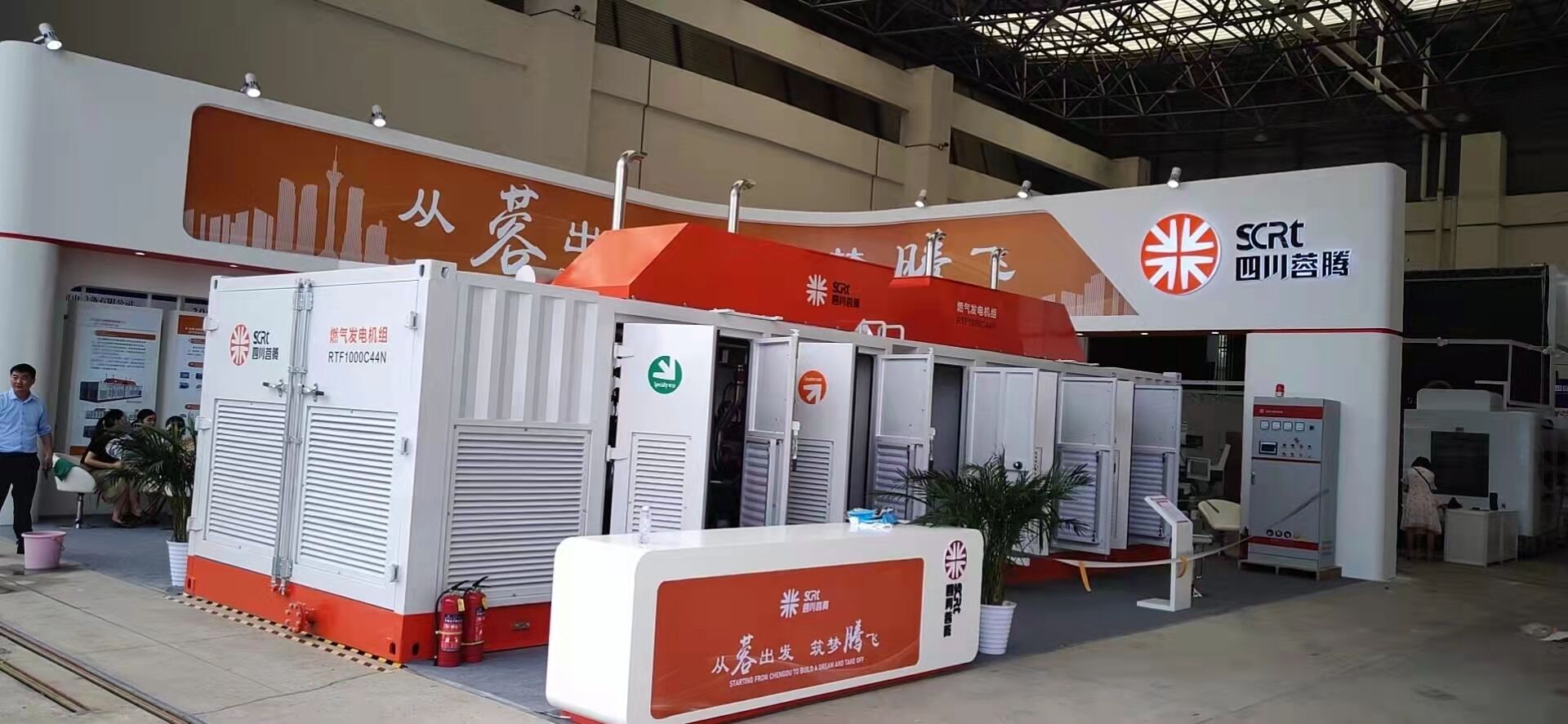
Rooted in the gas energy and intelligent manufacturing sectors, leveraging the strong capital of our parent company, Sichuan Jinxing Clean Energy, we have established comprehensive industry chain capabilities encompassing R&D, design, production, and engineering implementation.
Our 30,000-square-meter intelligent factory and 90-acre industrial base embody our commitment to "precision delivery." Our experienced team of engineers translates complex technical requirements into modular solutions, from natural gas purification to generator set integration, with each step undergoing 27 quality control processes. We understand our customers' core needs: not simply purchasing equipment, but receiving systematic services that continuously create value.