
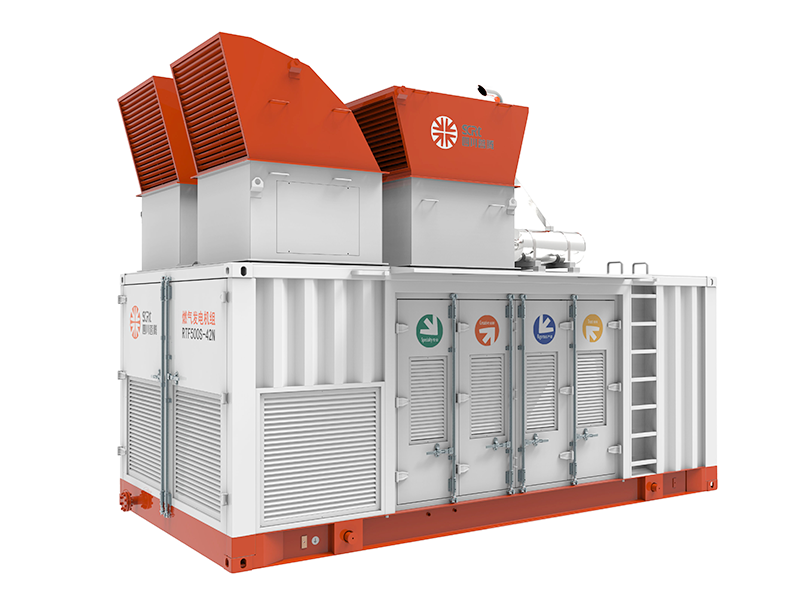
Integrating Gas Generator Sets into Renewable Energy Systems
The Growing Role of Hybrid Gas Generator Sets in Modern Energy Grids
Today's electricity networks are turning to mixed setups where traditional gas generators work alongside solar panels and wind turbines. The main reason? Solar and wind just don't produce power consistently throughout the day. By combining these different sources, we get a steadier flow of electricity when needed most. According to research published in 2025, places using this hybrid approach saw a drop of around 32 percent in their reliance on diesel fuel, particularly helpful for remote islands running their own mini power grids. Natural gas and even biogas replace some of that dirty diesel, making things a bit greener overall. This transition is helping countries move away from those old coal-burning backup plants that kick in during peak demand times, all while keeping the lights on during unexpected outages or extreme weather events.
Enabling Grid Flexibility and Renewable Integration
Gas generators can reach full power within just over a minute, which makes them really useful when dealing with unpredictable weather conditions affecting solar panels or wind turbines. When clouds roll in or winds die down, these generators kick in quickly to maintain stable energy supply. Many modern setups are incorporating bidirectional compressors alongside real time adjustments of fuel mixtures. This allows operators to work with combinations of hydrogen and natural gas effectively. Such systems integrate better with electrolyzers used for storing excess energy, giving the whole setup more adaptability over time. The ability to switch between different fuels gives plant managers options they didn't have before.
Fuel Innovation Driving the Evolution of Gas Generator Sets
The Shift Toward Alternative Fuels in Gas Generator Operations
Over 82% of new gas generator installations now feature dual-fuel capabilities, allowing operators to blend natural gas with hydrogen or biogas (Global Energy Trends 2026). This transition supports emissions regulations mandating at least 20% renewable fuel integration in stationary power systems by 2027, reducing carbon intensity while maintaining dispatchable output.
Hydrogen-Ready Design: Achieving 50% H2 Fuel Flexibility as a Benchmark
Leading manufacturers have standardized hydrogen-ready generators capable of operating efficiently with up to 50% hydrogen blends. These systems include reinforced combustion chambers and advanced leak-detection sensors to manage hydrogen's high flammability. Industry data confirms these units achieve 12% lower nitrogen oxide emissions than conventional models, contributing to cleaner air quality.
Biogas Upgrading for Cleaner Combustion in Generator Applications
Advanced purification technologies now remove 99.8% of contaminants from raw biogas, increasing methane concentration from 60% to over 96%—meeting pipeline-quality standards. In California's Central Valley, farmers have deployed this process to convert agricultural waste into 150 MW of dispatchable power, showcasing scalable rural energy solutions.
Reducing Carbon Emissions with Advanced Gas Generator Set Technology
Comparative Analysis: Gas vs Diesel Generator CO2 Emissions
Gas generator sets emit 40–60% less CO2 than equivalent diesel models, with NOx emissions reduced by up to 90% (Ponemon 2023). This advantage stems from natural gas's lower carbon content—25% less per unit of energy—and cleaner combustion processes.
| Emission Type | Gas Generator Sets | Diesel Generators |
|---|---|---|
| CO2 (kg/MWh) | 450–550 | 700–850 |
| NOx (g/kWh) | 0.4–0.6 | 2.5–4.0 |
How Emission Regulations Are Shaping Next-Gen Generator Designs
Stringent global standards are driving adoption of three-way catalytic converters and lean-burn combustion systems. The EPA's 2025 mandate requiring carbon capture for natural gas plants operating above 20% capacity reflects growing regulatory pressure to minimize environmental impact.
Strategies for Lowering Carbon Footprint in Hybrid Power Plants
Hybrid systems combining gas generators with renewables achieve 35–50% lower emissions than fossil-only plants. Key strategies include dynamic load management to reduce runtime, biogas upgrading for cleaner fuel, and AI-driven coordination with energy storage to maximize renewable utilization.
Gas Generator Sets as Transition Assets in Low-Carbon Energy Systems
With a carbon intensity 58% lower than coal plants, gas generators serve as vital transition assets in decarbonizing grids. Their fast start-up (<2 minutes) and compatibility with hydrogen blends make them essential for managing solar and wind intermittency during the shift toward fully renewable energy networks.
FAQ
What are hybrid gas generator sets?
Hybrid gas generator sets are systems that combine traditional gas generators with renewable energy sources like solar panels and wind turbines to create a stable and efficient electricity supply.
How do gas generators support renewable energy systems?
Gas generators can quickly adjust their output to compensate for fluctuations in renewable energy production, providing a stable energy supply even during unpredictable weather conditions.
What is the environmental impact of gas generators compared to diesel generators?
Gas generators emit 40–60% less CO2 and significantly lower NOx emissions compared to diesel generators, making them a more eco-friendly option for power generation.
What are the benefits of using dual-fuel capabilities in gas generators?
Dual-fuel capabilities allow gas generators to mix natural gas with renewable fuels like hydrogen or biogas, supporting emission regulations and reducing carbon intensity.