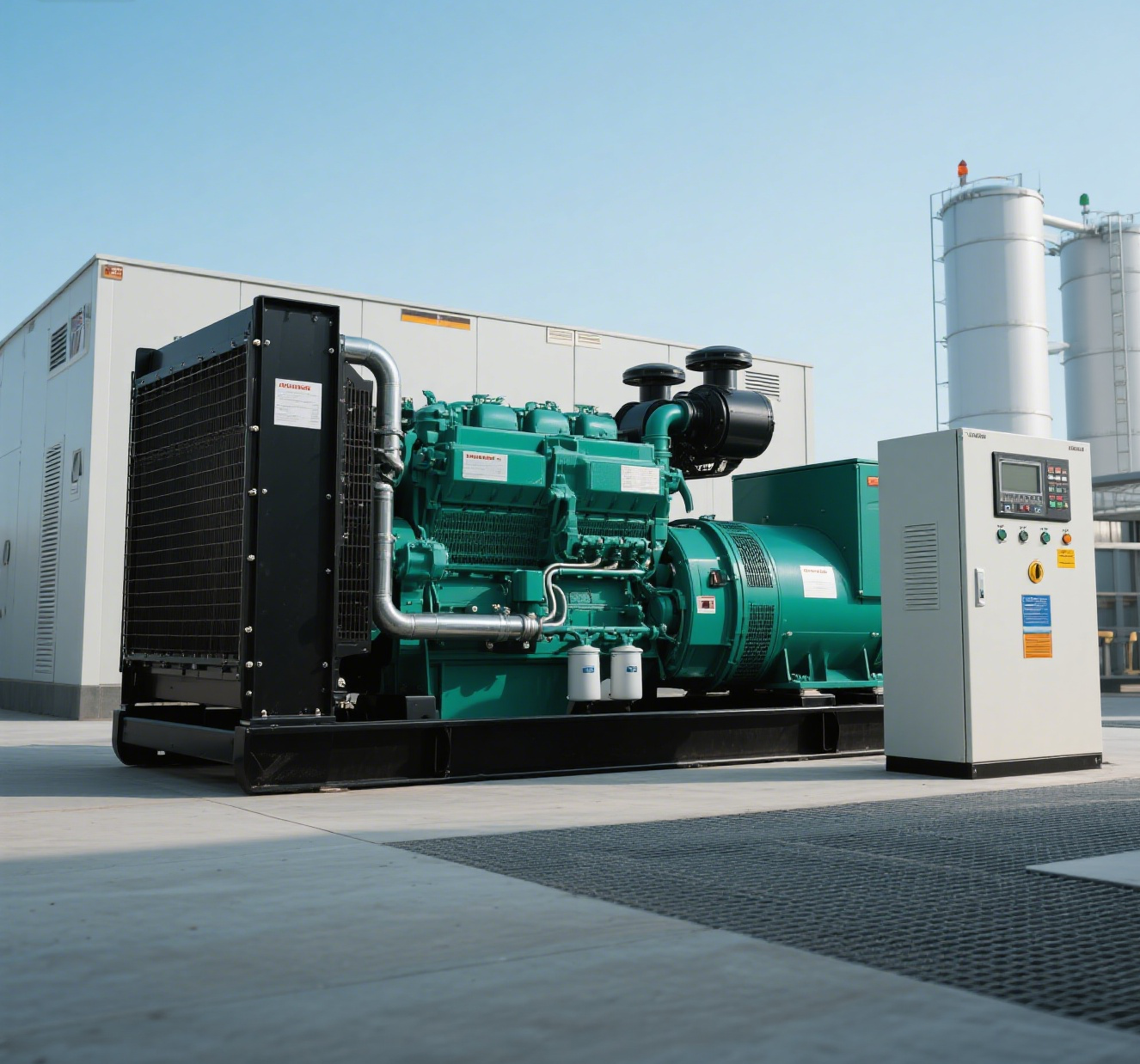
Exhaust Gas Treatment Unit Process: A Key Application for Achieving Cleaner Emissions
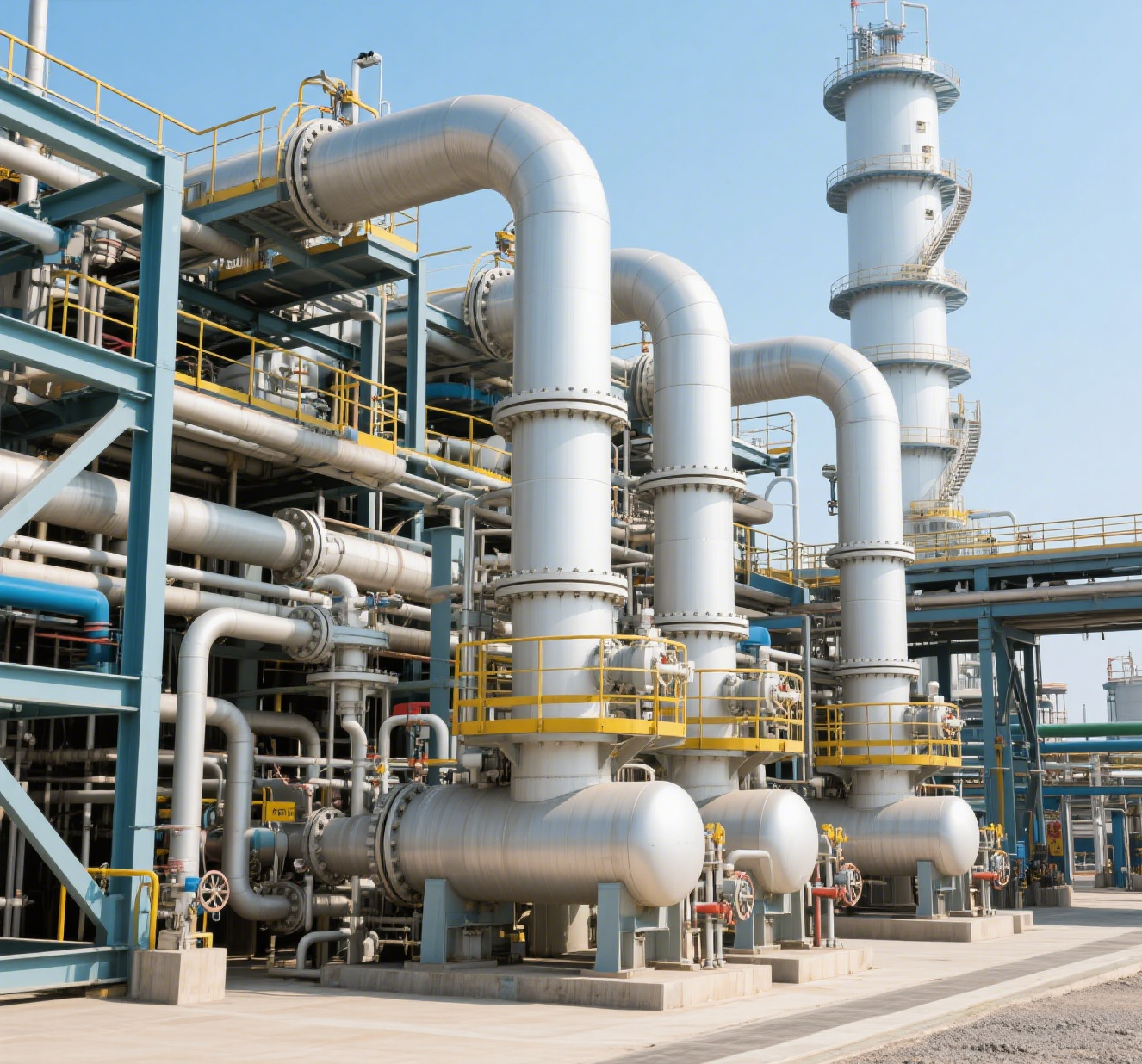
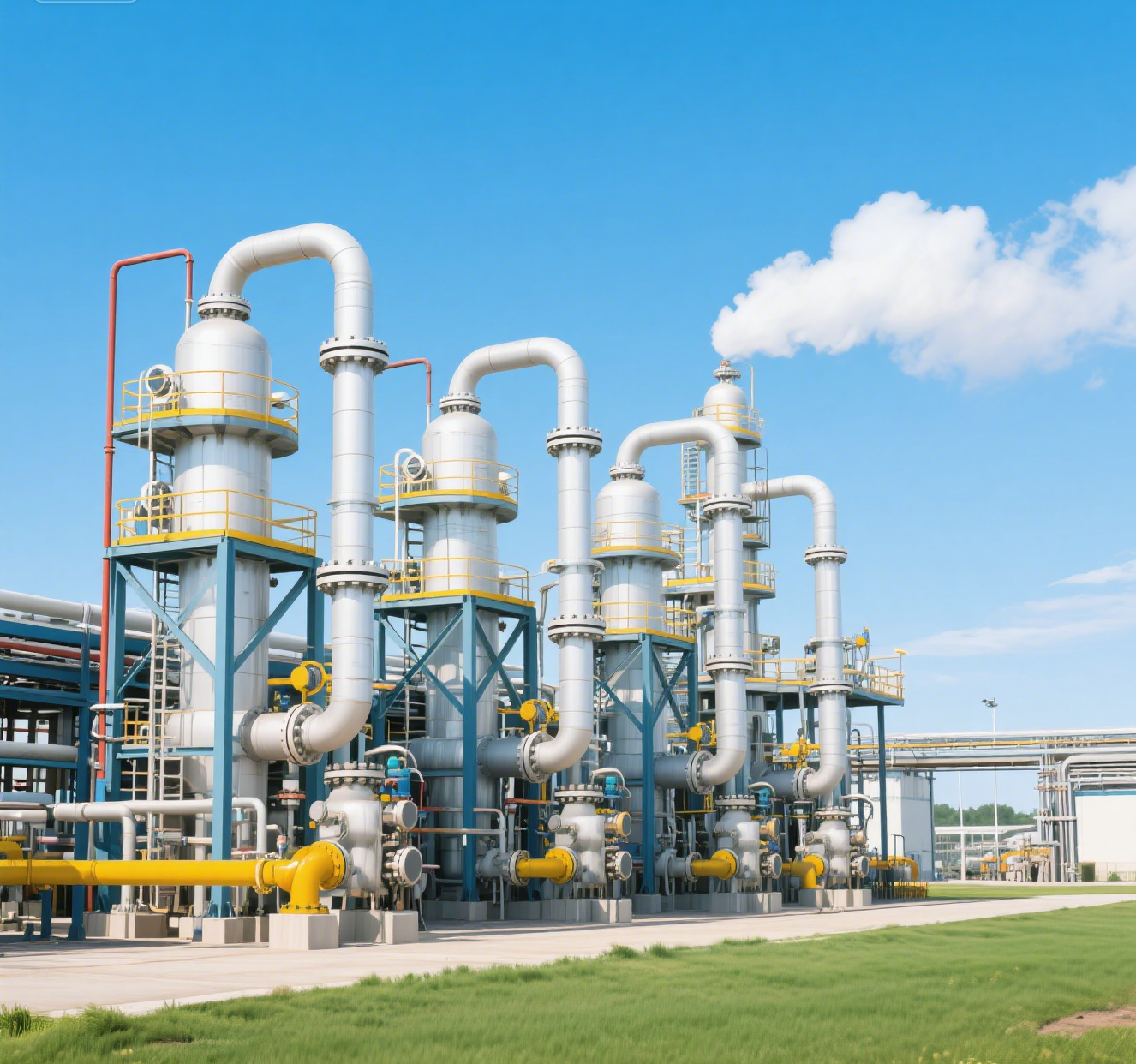
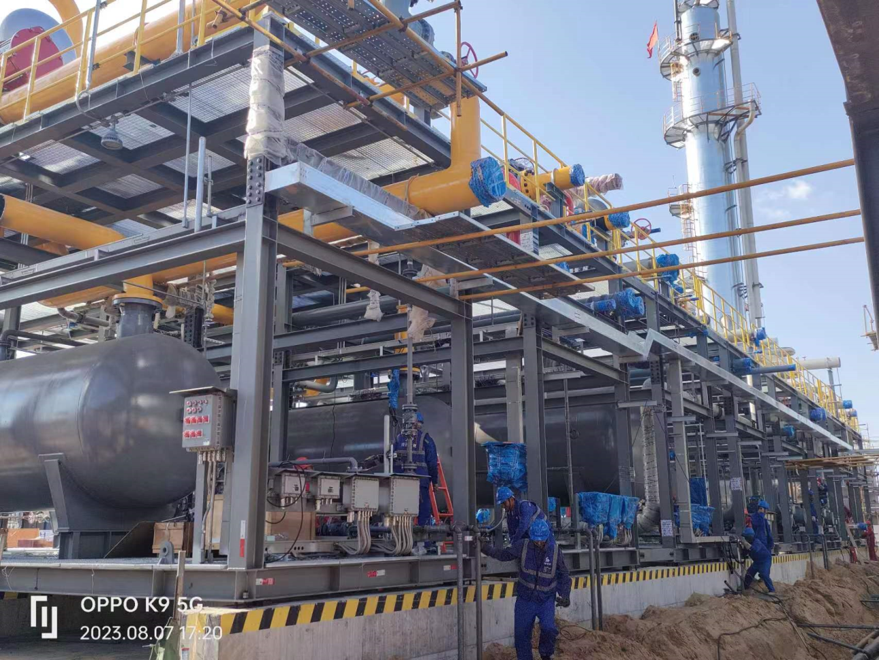
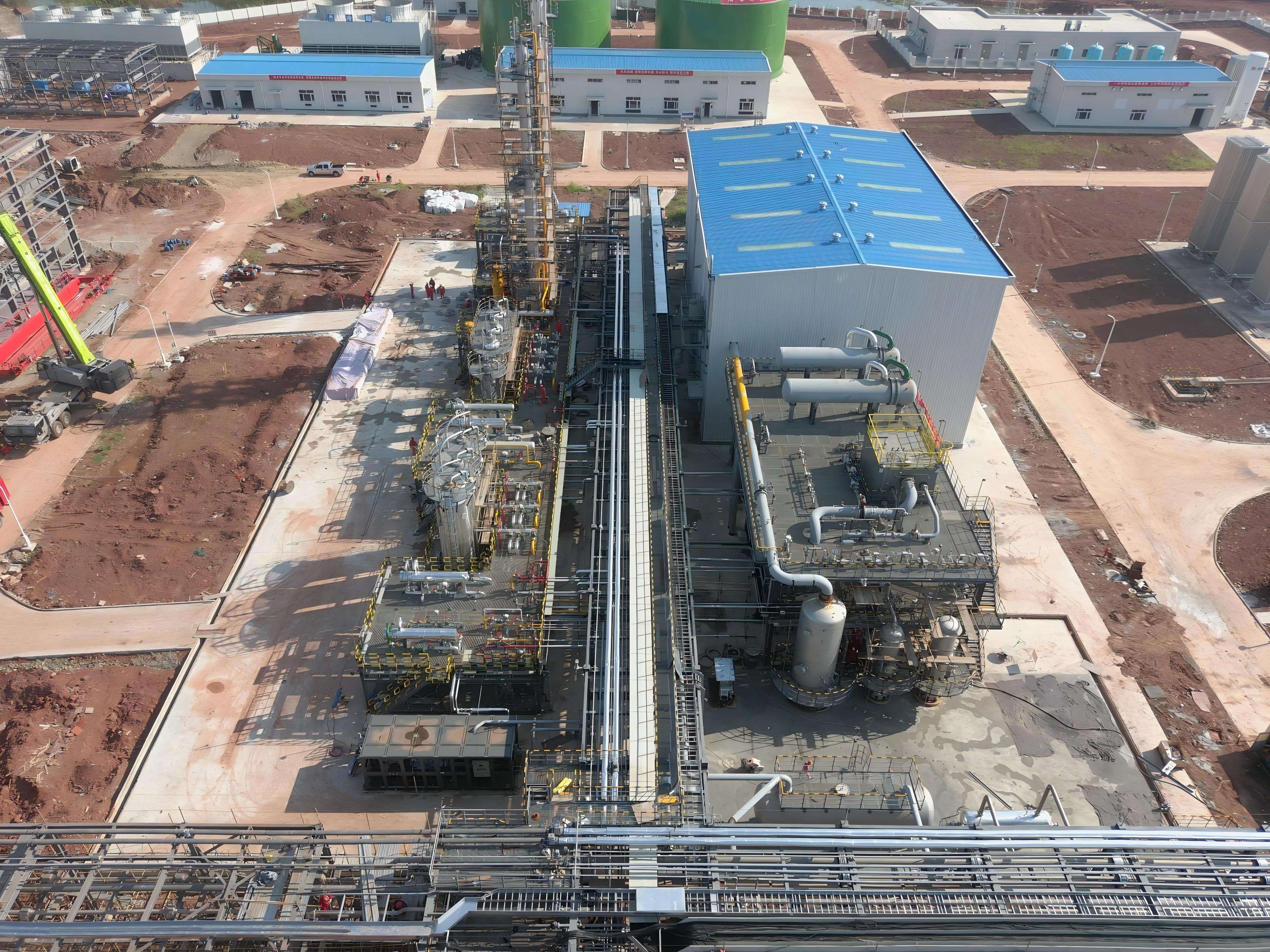
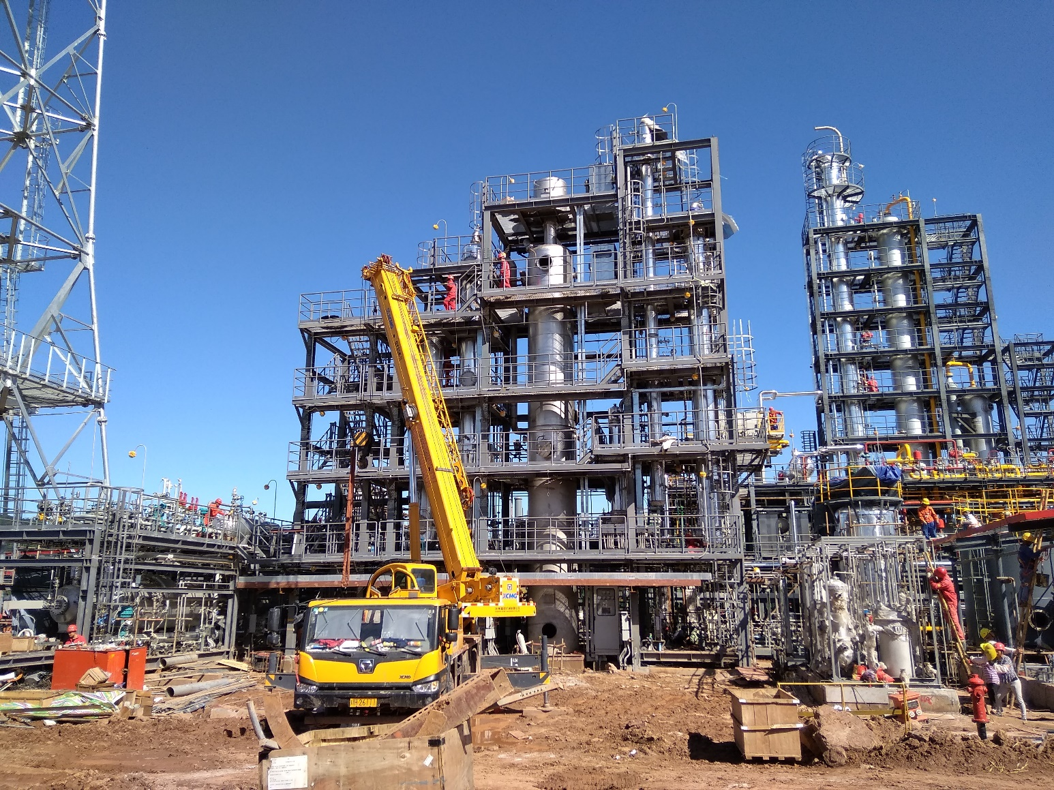
Exhaust gas treatment unit processes are widely used in petroleum refineries and petrochemical plants to remove toxic sulfur compounds such as H2S and SO2 from exhaust gas streams. By converting these pollutants into recoverable sulfur or safer byproducts, the process ensures compliance with stringent environmental regulations, such as the U.S. Environmental Protection Agency's Clean Air Act. This not only minimizes harmful emissions but also enhances operational efficiency by maximizing sulfur recovery rates and reducing waste.
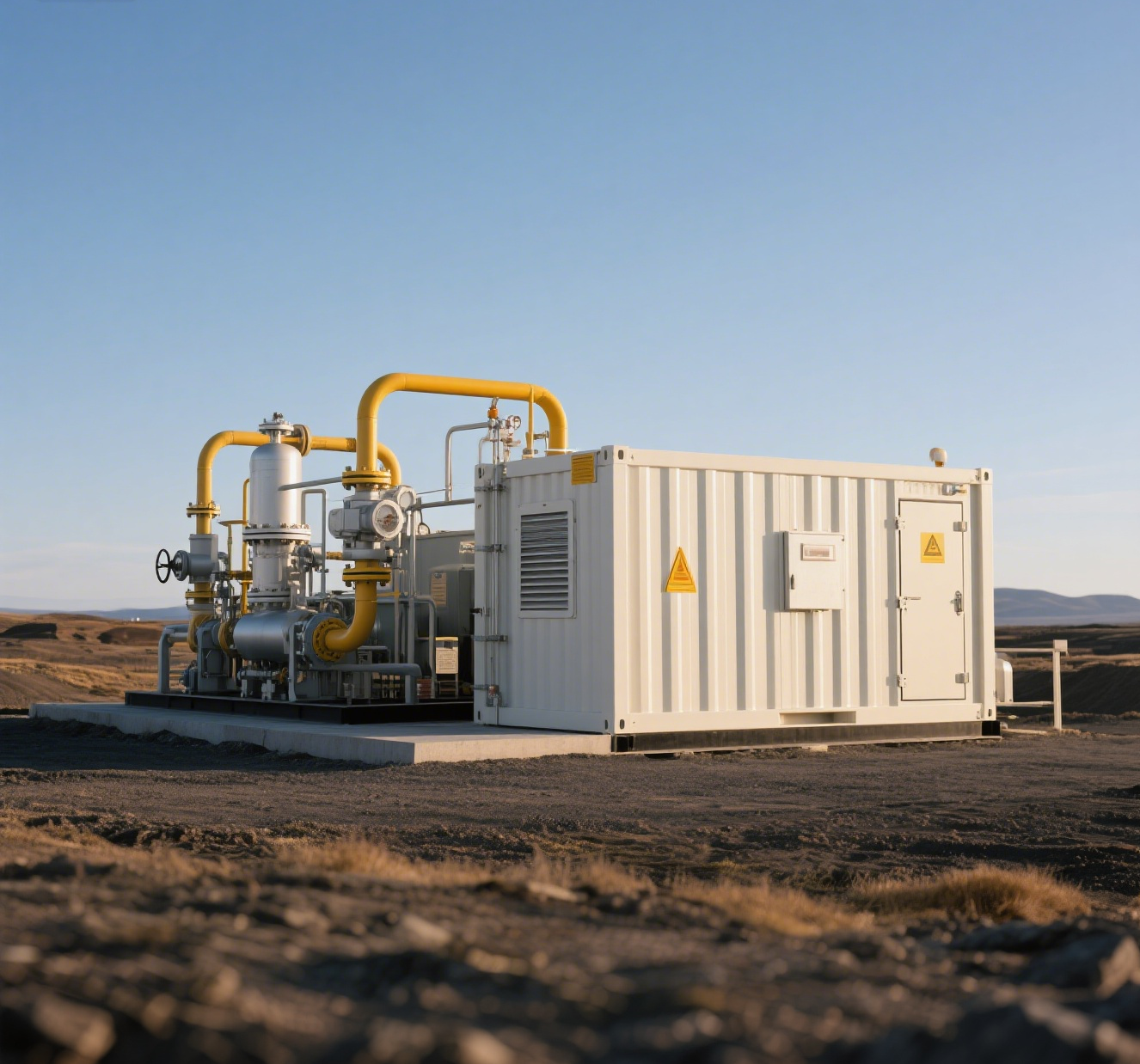
In natural gas processing, exhaust gas treatment is critical for purifying gas streams prior to distribution. Raw natural gas typically contains corrosive sulfur compounds that can damage pipelines and equipment. The treatment process removes these impurities, ensuring cleaner fuel quality and preventing environmental hazards. Additionally, advanced exhaust gas treatment units help facilities achieve global sulfur recovery targets, making them indispensable in liquefied natural gas (LNG) and natural gas processing plants.
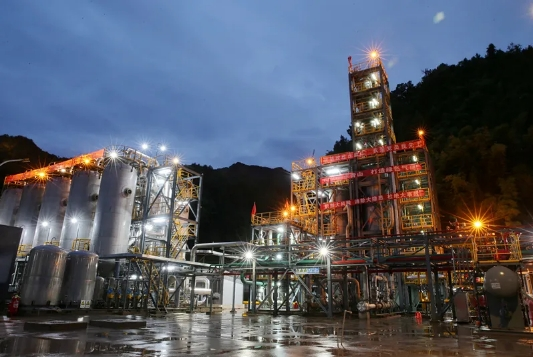
The power industry also relies on flue gas treatment systems, particularly in coal-fired and gas-fired power plants. These systems significantly reduce sulfur emissions, helping utilities avoid regulatory fines and support sustainability goals. As global focus on reducing carbon footprints intensifies, efficient flue gas treatment ensures cleaner energy production while maintaining cost-effectiveness.
Copyright © Sichuan RongTeng Automation Equipment Co., Ltd. — Privacy Policy