
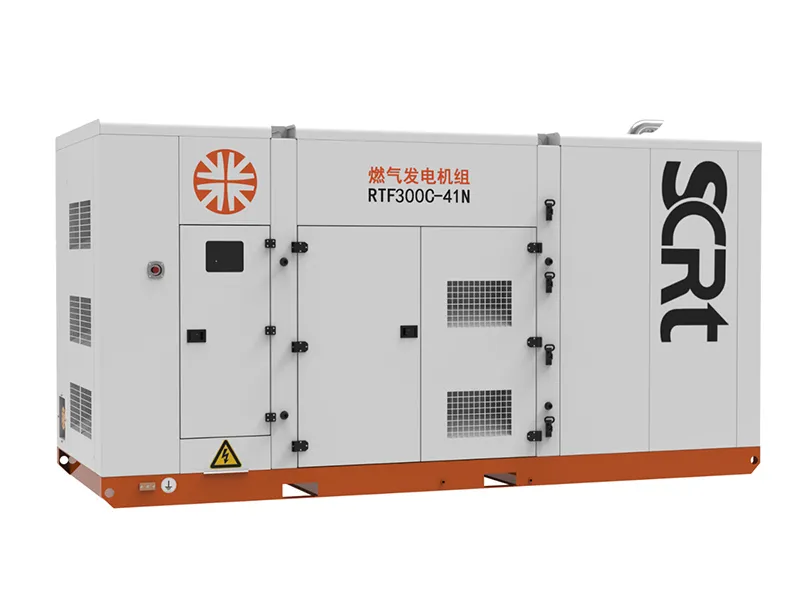
Why Fuel Pressure Stability Is Critical for Gas Generator Reliability
Combustion Instability Triggered by Sub-5% Fuel Pressure Deviations
Even small changes in fuel pressure, sometimes as little as 5% or less, can mess up how gas generators burn fuel. This leads to unpredictable flames spreading through the chamber and raises harmful emissions by around 15 to 20 percent according to Energy Systems Journal from last year. When pressure isn't stable, it throws off the balance between air and fuel mixture, which creates areas where there's not enough fuel for proper burning. These spots are just waiting for flames to go out completely. As a result, the heat distribution becomes lopsided, making temperatures spike past 1400 degrees Celsius in certain parts. This extreme heat wears down emission control components faster than normal and causes nitrogen oxide levels to exceed what regulations allow. Industry professionals typically install special accumulators to smooth out pressure spikes along with digital meters that check for consistency roughly every 200 milliseconds. These tools help catch problems early so they don't spiral out of control and damage equipment downstream.
Thermoacoustic Coupling: How Pressure Waves Disrupt Flame Anchoring
When pressure changes line up with variations in heat release, they create these annoying thermoacoustic waves typically between 80 and 120 Hz. What happens next? Well, these waves basically push against the flame itself, causing it to pull away from those burner nozzles where it should stay anchored. This instability leads to about a 12 percent decrease in overall efficiency plus around 30% more carbon monoxide being produced compared to when things run smoothly. If left unchecked for too long, the vibrations actually start working on the metal components inside combustion chambers. We've seen cases where tiny cracks begin forming in these parts after just around 8,000 hours of operation. To combat this problem, engineers now commonly install special devices called Helmholtz dampers along with flame holders coated in ceramics. These help soak up some of that wave energy and stop the whole system from getting out of control before pressures reach dangerous levels above 0.2 bar.
Fuel Injection System Behavior Under Pressure Variability
Cavitation and Flash Vaporization in Low-Pressure Gas Valves
Fuel pressure dropping below vaporization levels leads to cavitation which creates bubbles rapidly forming within valves and nozzles, followed almost immediately by flash vaporization. These vapor bubbles collapse and create fast moving microjets that gradually wear away metal surfaces. What matters even more though is how these vapor pockets take space that should be occupied by liquid fuel, messing with the precision of injectors and leading to misfires or inconsistent engine power. Research published in Tribology International back in 2023 showed this problem gets really bad when pressures drop under 5 psi. That's why keeping adequate pressure remains so important if we want our fuel injection systems to work reliably without issues.
Reynolds Number Thresholds and Their Effect on Spray Uniformity
How well fuel gets atomized really hinges on what kind of flow we're dealing with, which is basically determined by something called the Reynolds number (that formula thing Re = density times velocity times diameter divided by viscosity). When there's a drop in pressure, the velocity goes down too, which lowers the Reynolds number value. This causes the flow to change from being all chaotic and turbulent when Re is above 4000 to smooth and layered when below 2000. With laminar flow happening, the fuel tends to form flat sheets instead of proper mist, making it hard for air to mix properly. This leads to uneven burning spots where some areas have too much fuel and others not enough. According to some tests done in 2022 by SAE folks, this kind of situation can actually make emissions worse by around 12 to 18 percent. Keeping the pressure stable so that the Reynolds number stays above about 3000 helps create those nice cone shaped sprays everyone wants. Maintaining this level of flow is pretty much essential if engines need to burn fuel completely under different load situations.
Enabling Operational Flexibility with Adaptive Pressure Control
Multi-Source Fuel Feeds (Biogas, RNG, Pipeline) and Their Pressure Challenges
When companies switch to sustainable options like biogas, renewable natural gas (RNG), and traditional pipeline gas, they run into some serious pressure problems. Pipeline gas usually comes in at around 5 to 7 psi, but biogas systems tend to drop below 3 psi because methane production isn't always steady. The difference between these pressures can be anywhere from 40% to 60%, which really messes with equipment designed for higher pressure fuels. What happens? Cavitation occurs, fuel doesn't atomize properly, and combustion becomes unpredictable. Looking at industry reports from last year, we see these pressure issues cut down generator efficiency by as much as 12 percentage points while increasing harmful emissions by nearly 18%. That's why many experts now recommend designing fuel delivery systems that work regardless of pressure fluctuations.
Real-Time Closed-Loop Compensation Using Pneumatic Regulators and Combustion Feedback
Adaptive pressure control helps deal with variations in fuel sources by constantly adjusting in real time through what's called closed loop compensation. When piezoelectric sensors pick up any changes happening really fast, they send signals to the pneumatic regulators which then tweak the fuel flow as needed. What makes this system work so well is that it checks its own adjustments against several factors related to combustion performance like flame temperatures and oxygen levels in the exhaust gases. This double checking ensures that whatever adjustments happen actually match what's going on inside the combustion chamber. Testing in real world conditions shows that this method keeps pressure stable within about 1.5 percent of the desired level even when switching between different fuels quickly. That kind of stability cuts down unexpected shutdowns by around 30% compared to older mechanical regulator systems. The end benefit? Plants can switch fuels whenever necessary without risking damage to expensive turbine parts from sudden temperature changes.
FAQ
Why is fuel pressure stability important for gas generators?
Fuel pressure stability is crucial because even minor deviations can lead to combustion instability, increased emissions, and damage to emission control components. Stable pressure ensures efficient combustion and extends the lifespan of the generator's parts.
What are thermoacoustic waves and how do they affect gas generators?
Thermoacoustic waves are pressure waves that occur due to changes in pressure aligning with heat release variations. They can disrupt flame anchoring, reduce efficiency, increase carbon monoxide production, and cause metal fatigue in combustion chambers.
How does cavitation affect fuel injection systems?
Cavitation creates vapor bubbles within valves and nozzles when pressure drops below vaporization levels. This disrupts fuel flow precision, leading to misfires and inconsistent engine power, and can cause long-term damage to metal surfaces.
What role does the Reynolds number play in fuel spray uniformity?
The Reynolds number helps determine the type of flow in a system. A drop in pressure reduces the Reynolds number, causing transitions from turbulent to laminar flow, affecting how fuel is atomized and leading to uneven combustion.
How does adaptive pressure control benefit gas generators?
Adaptive pressure control adjusts fuel flow in real-time using closed-loop compensation, ensuring combustion performance remains stable even when switching between different fuel sources.
Table of Contents
- Why Fuel Pressure Stability Is Critical for Gas Generator Reliability
- Fuel Injection System Behavior Under Pressure Variability
- Enabling Operational Flexibility with Adaptive Pressure Control
-
FAQ
- Why is fuel pressure stability important for gas generators?
- What are thermoacoustic waves and how do they affect gas generators?
- How does cavitation affect fuel injection systems?
- What role does the Reynolds number play in fuel spray uniformity?
- How does adaptive pressure control benefit gas generators?