
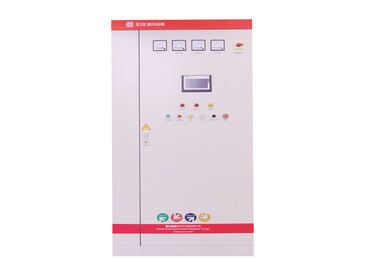
Core Architecture of Gas Power Plant Automation Control Systems
PLC-Distributed Control Integration Across Turbine, Combustion, and Exhaust Subsystems
Gas power plants today depend heavily on combining two main control systems for their automated operations: the PLC or Programmable Logic Controller along with the DCS known as Distributed Control System. These work together to manage things like how fast turbines spin, optimize burning processes, and handle what happens with exhaust gases. The PLC part takes care of quick reactions needed for safety, such as opening valves or shutting down completely when something goes wrong. Meanwhile, the DCS looks at bigger picture stuff like making sure everything runs smoothly over time, managing electrical output levels, and keeping up with all those regulations from authorities. When these systems are combined properly, they break down old barriers between different functions within the plant. This allows the facility to adjust itself automatically based on changing electricity demands throughout the day. According to recent research published in 2023 about power generation reliability, this kind of setup actually helps extend the life of expensive turbine parts by around 17% because it reduces wear caused by constant temperature changes. Plus, since the whole thing is built in modules rather than one big block, older plants can upgrade piece by piece without tearing out everything at once.
Real-Time Fault Detection and Auto-Isolation via DCS-SCADA Convergence
The resilience we see comes from combining DCS and SCADA systems in a way that makes sense for plant operations. These aren't just stacked on top of each other but work separately yet share data across the board. Sensors track vibrations in turbine bearings while temperature readings come in from combustion chambers, sending timestamped data to diagnostic systems roughly every half second. If something goes wrong and crosses those preset limits, like when pressure drops suddenly hinting at a compressor problem, the system kicks in to isolate whatever part is causing trouble in under a second flat. The SCADA system takes care of watching things in real time and raising alarms when needed, whereas the DCS maintains control over all the automated processes, making sure that diagnostic checks don't mess with regular operations. Facilities that implement this two tier setup typically fix problems about 92 percent quicker compared to old fashioned manual methods. This means plants can keep producing even when issues arise, which helps avoid major disruptions to power grids and keeps operations running smoothly most of the time.
Predictive Maintenance Powered by Gas Power Plant Automation Control Systems
AI-Driven Analytics on Vibration, Temperature, and Pressure Data for 72-Hour Failure Forecasting
Modern gas power plants are integrating AI analytics right into their control systems, turning basic sensor readings into actual predictive insights. The neural networks behind these systems have been learning from years of operational data, analyzing things like vibrations, temperature changes, and pressure fluctuations throughout turbine components. They spot warning signs of problems long before they become serious issues - stuff like tiny pits forming on bearings or blades starting to vibrate at odd frequencies. These predictions hit around 94% accuracy window about three days ahead of time. Maintenance teams no longer need to wait for breakdowns or stick to fixed schedules anymore. Instead, they can address problems based on actual equipment conditions. When the system detects unusual harmonic patterns in compressor vibrations, it will automatically create a work order for bearing checks, usually timed with regular maintenance periods. Industry reports from 2023 show that plants using this approach cut down unexpected shutdowns by roughly 40%, though results vary depending on specific plant configurations and maintenance practices.
Sensor Fidelity Challenges in High-Temperature Zones: Mitigation Strategies for Reliable Predictions
When sensors start losing their precision, predictive models just aren't reliable anymore, especially in those hot spots above 800 degrees Celsius where things get really complicated. Heat causes problems, there's all sorts of electrical interference, and materials simply wear out faster in these extreme conditions. Plants that want to keep their data trustworthy have developed several proven approaches over time. First, they install piezoelectric sensors protected by ceramic shields and equipped with cooling systems that keep readings within about half a percent error margin. Second, many facilities use redundant sensor arrays with built-in logic to spot and eliminate faulty readings through a voting system approach. Third, machine learning algorithms now help filter out unwanted signals by constantly adjusting against reference points calibrated in real time. Regular infrared scans also check if sensors are positioned correctly on exhaust systems so temperature maps match what's actually happening physically. All these methods work together to stop misleading alarms that might shut down operations unnecessarily, maintaining accurate predictions even when loads spike unexpectedly.
Proven Uptime Gains: Retrofit Case Study at Luzhou CCGT Plant
Upgrading the automation controls at the Luzhou combined cycle gas turbine facility in Sichuan province really paid off for reliability and cost savings. The team replaced old PLC hardware, overhauled the DCS logic systems, and added predictive analytics throughout every turbine control loop. Results were impressive after just one year of operation. Unplanned shutdowns dropped nearly half, from whatever they were before to 47% less. Mean time between failures jumped up 64%, which means equipment lasted much longer between breakdowns. The bottom line shows real money saved too, with around $425k in annual savings coming from smarter maintenance planning, better combustion efficiency that cut wasted energy, and avoiding those costly forced outage fines. What happened at Luzhou proves that smart investments in existing infrastructure through automation upgrades can deliver tangible benefits without having to build brand new facilities from scratch.
Securing Continuous Operations: OT Security Integration in Gas Power Plant Automation Control Systems
IEC 62443-Compliant Firmware Management to Eliminate Patch-Induced Downtime
These days cybersecurity isn't just something extra anymore it's become absolutely essential for keeping operations running smoothly. Gas power plant industrial control systems are dealing with increasingly serious threats, and when cyber problems cause unexpected shutdowns, the financial hit can be massive around $740k per incident according to research from the Ponemon Institute back in 2023. The good news lies in IEC 62443 standards for firmware management which helps solve that old problem where security measures often clashed with system availability needs. When updating software, engineers perform thorough checks for vulnerabilities and test functionality in separate environments that mirror actual turbine controls down to the smallest details like timing requirements and how backup systems communicate. After passing these tests, software fixes get rolled out step by step through redundant PLC-DCS components so there's absolutely no disruption to electricity production. What was once seen as a potential risk during maintenance now becomes part of the defense strategy against unknown cyber attacks, all while maintaining those critical uptime numbers that keep the lights on.
FAQ
How do PLC and DCS work together in gas power plant automation?
PLC handles quick-reaction safety protocols, while DCS manages long-term operations and regulatory compliance, integrating both ensures efficient and safe plant operations.
What are the benefits of DCS-SCADA convergence?
This setup allows real-time fault detection and faster problem resolution, ensuring uninterrupted plant operations.
Why is AI important in predictive maintenance for gas power plants?
AI analyzes data from sensors to predict failures, allowing maintenance teams to address issues proactively, reducing unexpected shutdowns.
How do plants ensure sensor accuracy in high-temperature zones?
Plants use ceramic-shielded sensors, redundant arrays, and machine learning algorithms to maintain data accuracy in extreme conditions.
What upgrades were made at the Luzhou CCGT plant and what were the results?
The Luzhou plant upgraded PLC hardware, DCS logic, and predictive analytics, resulting in reduced shutdowns and significant cost savings.
Table of Contents
- Core Architecture of Gas Power Plant Automation Control Systems
- Predictive Maintenance Powered by Gas Power Plant Automation Control Systems
- Proven Uptime Gains: Retrofit Case Study at Luzhou CCGT Plant
- Securing Continuous Operations: OT Security Integration in Gas Power Plant Automation Control Systems
-
FAQ
- How do PLC and DCS work together in gas power plant automation?
- What are the benefits of DCS-SCADA convergence?
- Why is AI important in predictive maintenance for gas power plants?
- How do plants ensure sensor accuracy in high-temperature zones?
- What upgrades were made at the Luzhou CCGT plant and what were the results?