
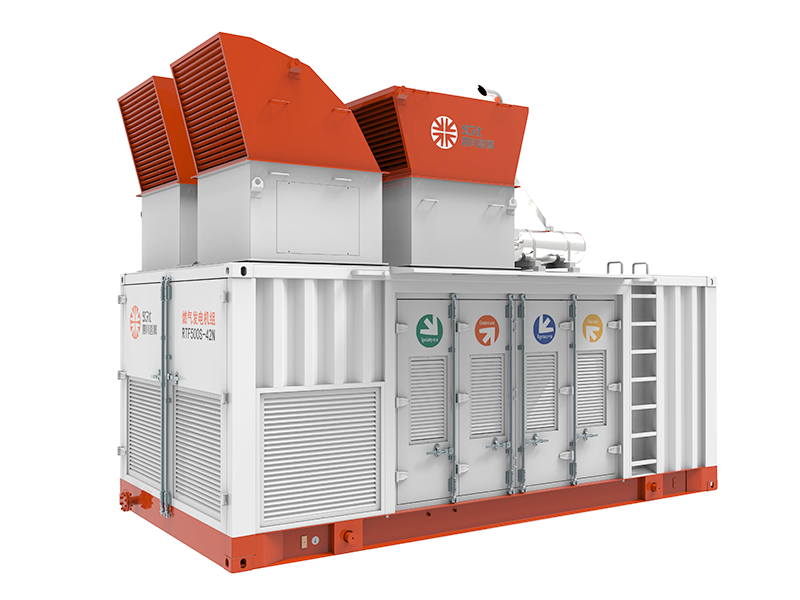
Regulatory Compliance and Environmental Advantages of Gas Generator Sets for Industrial Backup Power
Meeting Tier 4 Final, CARB, and Bay Area AQMD Rule 1146 Requirements
Gas generator sets for industrial use actually hit those tough air quality standards thanks to their specially designed combustion systems. No need for those pesky diesel particulate filters (DPF) or selective catalytic reduction (SCR) systems either. These generators stick to the EPA Tier 4 Final requirements which cap nitrogen oxide emissions at just 0.4 grams per kilowatt hour. That's basically cutting emissions down by 90% compared to older models from Tier 1. Even tougher rules apply in California where these units pass CARB's super strict standard of less than 0.07 grams per brake horsepower hour for nitrogen oxides. They also meet Bay Area AQMD Rule 1146 for ultra low emission certification, so operators can run them continuously without dealing with complicated after treatment systems. The secret? Pre mixed fuel combustion combined with smart electronic controls built right into the system. According to EPA data from 2024, this setup cuts down on regulatory paperwork and maintenance costs by about half when compared to traditional diesel options.
Lower NOx, PM, and CO₂ Emissions Compared to Diesel Generators
The numbers speak for themselves when comparing natural gas generators to their diesel counterparts. They produce around 90 percent fewer nitrogen oxides and about 95 percent less particulate matter, as shown in studies from the US Department of Energy. The fact that natural gas comes through pipelines instead of needing storage tanks onsite removes several safety concerns like fuel evaporation, accidental spills, and corroded tanks over time. Plus, burning methane produces carbon dioxide at roughly 25% less per kilowatt hour compared to diesel, which helps organizations working toward those ambitious net zero targets. What's really impressive is how these systems keep particulate matter emissions under 0.015 grams per kilowatt hour thanks to automatic monitoring technology. That beats out even the latest Tier 4 Final diesel models that need all sorts of chemical treatments like urea injections and special DEF fluids to meet regulations.
Uninterrupted Reliability and Operational Resilience in Critical Industrial Environments
Sub-10-Second Start-Up and Full Load Acceptance for Mission-Critical Processes
Gas generators can start up in under ten seconds and reach full power within just 15 to 20 seconds, something absolutely essential for places where power cuts risk damaging products or stopping production altogether. Take pharmaceutical cleanrooms and semiconductor factories for instance. A short blackout there isn't just inconvenient it costs hundreds of thousands of dollars each time this happens according to recent industry reports from 2023. Gas powered systems have another advantage over their diesel counterparts too. They don't suffer from fuel gelling issues when temperatures drop below freezing, plus they maintain stable voltage levels around plus or minus 1 percent even when loads fluctuate constantly. This means operations keep running smoothly without interruption when the main power goes down unexpectedly.
Proven 24/7 Performance: Case Example with 500kW Gas Generator Sets in Manufacturing
A Midwest automotive parts plant deployed tri-redundant 500kW gas generator sets after sustaining $740,000 in annual downtime-related losses (Ponemon Institute, 2023). Over 18 months of continuous operation—including response to multiple grid instability events—the system delivered:
| Performance Metric | Gas Generator Result | Industry Standard |
|---|---|---|
| Uptime Availability | 99.999% | 99.95% |
| Maintenance Intervals | 500 hours | 250 hours |
| Unplanned Outages | 0 | 3.2/year |
Pipeline-fed natural gas removed fuel logistics constraints, while integrated remote monitoring enabled predictive maintenance. During a 14-hour regional grid outage, the system sustained casting line operations—preventing scrap losses estimated at $120,000/hour.
Total Cost of Ownership Benefits: Fuel Economics and Maintenance Efficiency
Stable, Pipeline-Supplied Natural Gas vs. On-Site Diesel Storage and Logistics
Switching to natural gas generators gets rid of all those headaches associated with diesel fuel. No more worrying about fluctuating prices for diesel, dealing with onsite storage tanks that need maintenance, setting up spill containment systems, or managing the whole mess of transporting fuel around. The pipeline brings stable pricing usually somewhere between 30 to 50 percent cheaper per kilowatt hour compared to what we pay for diesel fuel. Plus there's no interruption in supply when needed most. According to various industrial energy assessments, companies save anywhere from seven thousand two hundred to eighteen thousand dollars each year just on managing diesel fuel alone. That covers things like regular tank inspections required by law, filling out environmental compliance paperwork, and buying those special additives to keep diesel stable over time. Another big plus? Natural gas doesn't go bad sitting around so operators skip the whole process of testing fuel quality and rotating stockpiles. Energy logistics experts have found this cuts down on operational costs by roughly fifteen to twenty two percent across different facilities.
Extended Service Intervals and Reduced Downtime for Preventive Maintenance
Cleaner combustion extends service life and reduces maintenance frequency:
- Spark plug replacement every 500–1,000 hours (vs. diesel injector servicing every 250–500 hours)
- Oil change intervals extended by 200–300% (gas: 500–1,000 hours; diesel: 200–400 hours)
This cuts annual preventive maintenance downtime by 40–60 hours per unit and lowers cylinder wear—extending engine lifespan by 3–5 years. At scale, a single 500kW natural gas unit delivers ~$18,500 in annual savings on fuel and service alone.
Scalable Application Across High-Uptime Industrial Sectors
Gas generators keep operations running smoothly in places like factories, data centers, hospitals, and food processing plants where power outages just aren't an option. The modular design means these systems can grow right along with business needs, starting with basic backup solutions and expanding all the way to full campus microgrids without tearing down existing infrastructure. Getting fuel directly from pipelines eliminates the need for huge on-site storage tanks, which saves money and space. Standardized connections make it easier to add more capacity when needed. Even for systems producing several megawatts of power, the physical size stays surprisingly small, preserving precious floor area. Plus, remote monitoring systems let operators watch over multiple locations from a central point. All these factors together mean businesses get reliable power whenever they need it, without having to sacrifice production time or redesign their facilities around bulky equipment.
FAQ
What are the regulatory standards met by gas generator sets?
Gas generator sets adhere to EPA Tier 4 Final, CARB, and Bay Area AQMD Rule 1146, ensuring minimal nitrogen oxide emissions.
How do gas generators compare to diesel generators in terms of emissions?
They produce significantly fewer emissions: 90% less nitrogen oxides and 95% less particulate matter than diesel generators.
What is the startup speed of gas generators?
Gas generators can start in under ten seconds and reach full power within 15 to 20 seconds.
How does natural gas supply affect operational costs?
The stable pipeline supply of natural gas reduces costs linked to onsite storage and logistics, offering up to 50% cheaper fuel expenses compared to diesel.
What maintenance advantages do gas generators offer?
They require less frequent maintenance with extended spark plug and oil change intervals, reducing downtime and service costs.
Table of Contents
- Regulatory Compliance and Environmental Advantages of Gas Generator Sets for Industrial Backup Power
- Uninterrupted Reliability and Operational Resilience in Critical Industrial Environments
- Total Cost of Ownership Benefits: Fuel Economics and Maintenance Efficiency
- Scalable Application Across High-Uptime Industrial Sectors