
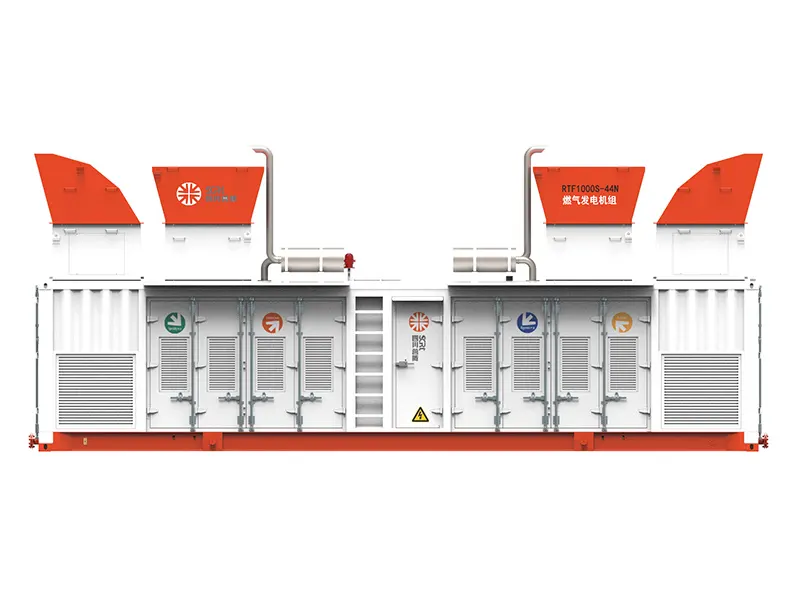
Core Working Principle of a Gas Generator Set
Gas generators work by turning the chemical energy stored in fuels like natural gas, propane, or even biogas into mechanical motion first, and then into actual electricity. When the fuel burns in the engine's combustion chamber, it creates small but powerful explosions that push the pistons back and forth, which in turn makes the crankshaft spin around. This spinning motion is what drives the alternator part of the generator. Inside the alternator, there's something called electromagnetic induction at work. Basically, as the rotor moves within the stator, it messes with the magnetic fields, and this movement causes electric current to flow through those copper windings. Because this whole process works so reliably, these gas powered generators are commonly used not just as emergency backups during power outages, but also as primary power sources for remote locations and industrial sites that need constant electricity supply.
Key Components of a Gas Generator Set and Their Functions
Engine and alternator: The heart of the gas generator set
At the heart of the system we find the engine and alternator working together. When the internal combustion engine gets going, it burns gaseous fuel to create mechanical rotation that powers the alternator right away. What happens inside the alternator? Well, through something called electromagnetic induction, all that motion gets turned into AC electricity. How well these parts perform matters a lot for what comes out of the generator. If they're properly synced up and built to last, the generator will deliver better quality power, run more efficiently, and stay reliable even when loads change throughout the day.
Fuel system, voltage regulator, and cooling system: Supporting components for stable operation
Support systems keep operations running safely without interruption. Fuel systems handle storage, filtration, and delivery of gas at just the right pressure levels needed for proper function. Automatic Voltage Regulators (AVRs) work to keep voltage steady by tweaking the alternator's excitation current when load conditions change. Cooling systems whether air cooled or liquid cooled pull away extra heat generated by both the engine and alternator parts, which stops them from getting too hot and helps everything last longer over time. All these different support mechanisms combined help maintain reliable power output while safeguarding important engine components against damage.
Generator/alternator structure and its reliance on electromagnetic induction
Alternators work through electromagnetic induction, basically relying on two main parts: a spinning rotor which is also called the field winding, and a fixed stator known as the armature winding. When electricity flows through the rotor, it creates a magnetic field. As this component turns, the magnetic field changes constantly, which then generates an electric current in those stator coils sitting around it. The way these components are designed directly affects important electrical outputs including things like voltage levels, how often the current cycles per second, and how clean or pure the resulting waveform actually is. Keeping the rotor and stator properly aligned along with maintaining good insulation between them makes all the difference for getting maximum efficiency out of the system while making sure everything keeps working reliably over time without unexpected breakdowns.
Fuel Types and Combustion Process in Gas Generator Sets
Common fuel types for gensets: Natural gas, propane, and biogas
Most gas generators operate using either natural gas, propane, or biogas as their primary fuel source. Natural gas stands out because it comes right through existing pipelines, which makes sense for fixed locations that need constant power without worrying about refueling. For folks working in places where getting supplies is tricky, propane has advantages too since it stays good longer and can be transported easily between sites. Then there's biogas made from stuff like food scraps and manure, offering something green but only really viable where those special digesters exist locally. The choice between these fuels matters quite a bit when it comes time to adjust engines properly, manage what goes into the air, and figure out how much money will actually be spent running things day after day.
Combustion process: From fuel injection to power stroke in gas engines
Internal combustion engines work through what's called a four stroke process: first intake, then compression, followed by power generation, and finally exhaust removal. When the intake valve opens, fresh air gets pulled into the cylinder chamber. Fuel gets sprayed in during compression when the piston moves up, mixing everything together under pressure. Then comes the spark plug firing off, creating that small but powerful blast which pushes the piston back down - this is where actual mechanical work happens. As the piston moves, it spins the crankshaft connected below, converting that straight line movement into circular rotation needed to drive the car forward and power accessories like lights or radio. Lastly, the exhaust valves pop open so all those leftover gases from burning can escape out through the tailpipe, readying the whole system for another round of operation.
Ignition mechanisms in gas internal combustion engines
The majority of gas powered engines work with what's called spark ignition. Basically, spark plugs create sparks at just the right moment to light up the compressed mix of air and fuel inside the engine. These timing decisions aren't random though they're controlled by electronic modules that keep an eye on things like how hard the engine is working, what temperature it's running at, and how fast it's spinning around. This helps make sure the engine burns fuel efficiently while keeping harmful stuff out of the exhaust. Natural gas and propane engines typically follow this same spark ignition approach too. But there's something interesting happening with certain biogas engines these days. Some models designed for higher compression ratios actually use different techniques like lean burn systems or special pre-chambers. Manufacturers found these methods help maintain performance when operating conditions change throughout the day.
Emissions and efficiency trade-offs in natural gas combustion
When it comes to emissions, burning natural gas creates fewer nitrogen oxides (NOx) and particulates compared to diesel engines. However, it does pump out more carbon dioxide for the same amount of energy produced. Most modern gas generators run at around 35 to 45 percent efficiency these days. Some facilities have gone even further with combined heat and power systems that get over 80% overall energy usage. A recent study from last year showed something interesting too. Facilities that invest in better control systems and stick to regular maintenance schedules can cut down their fuel needs by about 15%. This kind of savings helps them stay within those tough emission regulations without breaking the bank on extra equipment costs.
Frequently Asked Questions
What is the main function of a gas generator set?
A gas generator set converts chemical energy from fuels like natural gas, propane, or biogas into mechanical motion, and then into electricity, making it a reliable source of power.
What are the key components of a gas generator?
Key components include the engine, alternator, fuel system, voltage regulator, and cooling system, each contributing to the efficient operation of the generator.
How do gas generator sets regulate voltage?
Gas generator sets use an Automatic Voltage Regulator (AVR) to maintain stable voltage output and ensure reliable power supply.