
Bridging the Infrastructure Gap: Gas Liquefaction for Remote and Decentralized Energy Access
Overcoming pipeline limitations with small-scale LNG in off-grid power, transport, and industrial sites
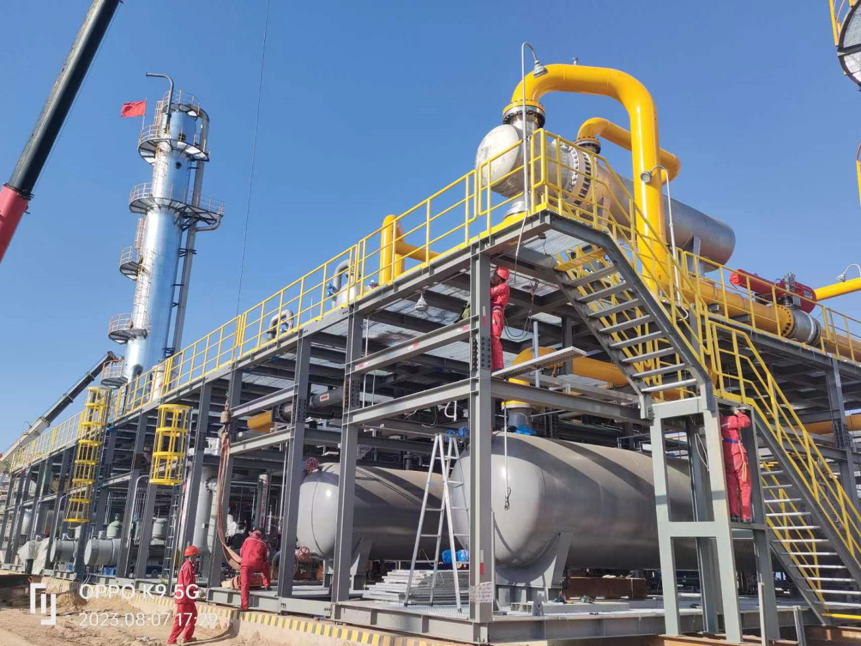
When natural gas gets turned into liquefied natural gas (LNG), it opens up new possibilities for energy projects that don't have access to traditional pipelines. This method basically lets places get their power even when building pipelines just doesn't make financial sense. Think about remote mining operations, islands, or industrial sites far from main infrastructure. Small scale LNG setups shrink down the gas volume by around six hundred times, making it much easier to move around using special cryogenic storage tanks to places like mining camps or ports. Compared to old fashioned diesel generators which pump out about thirty percent more carbon dioxide, LNG burns cleaner and produces fewer harmful particles and sulfur compounds. Take a look at what's happening in rural parts of China where these modular liquefaction units are being used. They show how companies can actually make money off gas reserves that would otherwise go unused right there on site. Plus, this tech works great with hybrid microgrids too. When wind or solar power isn't available because of weather changes, LNG provides reliable backup power so communities stay connected without needing to tie into larger grids.
Applications Across Sectors
- Power Generation: Replacing diesel gensets at off-grid facilities
- Transport: Fueling LNG-powered trucks and ships
- Industry: Enabling cleaner process heat for ceramics or food processing
Operational Advantages of Gas Liquefaction in Distributed Energy Projects
Volume reduction, logistics flexibility, and cleaner combustion vs. diesel or LPG
Liquefying gas for distributed energy projects brings some major operational improvements, mainly from three main benefits. For starters, when natural gas gets turned into liquid form, it shrinks down to about 1/600th of its original size. That means we can store and move it much more easily, which matters a lot for places without good pipeline connections like remote mining camps or islands. Another big plus is how flexible LNG transport really is. Specialized trucks, standard shipping containers, or even barges can carry it around to all sorts of locations that would otherwise be impossible to reach with traditional infrastructure. Environmentally speaking, burning LNG beats both diesel and LPG hands down. We're talking roughly 25 to 30% fewer carbon dioxide emissions compared to these alternatives, plus cuts of around 85 to 90% in nitrogen oxides. And best of all, sulfur oxides and particulates basically disappear. These environmental gains help companies stay compliant with ever stricter regulations while still keeping their power plants running reliably. Overall, this approach makes fuel supply more resilient, slashes transport expenses, and provides cleaner options for industries operating away from the grid.
Scalable Liquefaction Technology: Skid-Mounted Solutions for Distributed Deployment
Energy-Efficient Micro-Liquefaction Systems and Modular LNG Skids in Rural China
New micro liquefaction systems are changing how we handle gas in small scale energy projects without needing huge infrastructure investments. The compact design works better because it uses improved heat exchange methods along with turbo expanders that cut down on power consumption by around 30% compared to traditional setups. Modular LNG skids come pre assembled on frames that can be moved easily, so they get installed fast even in places far from main pipelines. One company actually rolled out these container based liquefaction units throughout parts of rural China. Local communities there used to rely heavily on diesel generators, but many have switched over to cleaner burning LNG for their electricity needs now. These mobile skid solutions represent something pretty revolutionary for off grid energy applications.
- Process 0.5–5 tons of LNG daily
- Reduce installation costs by 40% versus fixed facilities
- Enable fuel access for off-grid industrial sites
This scalability supports distributed power generation while cutting transportation emissions by 60% compared to trucked-in diesel. Field data confirms such systems achieve 92% uptime in harsh environments—proving critical for energy resilience.
Economic Realities: Balancing Upfront Costs with Long-Term Fuel Resilience
Putting gas liquefaction into place for distributed energy projects needs looking at what it costs upfront versus what we save over time. Liquefaction gear does cost more initially than regular diesel generators usually by around 30 to 50 percent but think about this over the long haul and there are real money savings. When companies make LNG right where they need it, they stop depending on unpredictable fuel markets. Natural gas prices stay steady while diesel keeps bouncing around those wild price swings saw an average of 22% changes each year from 2020 till now. Plus these modular systems can grow with demand so businesses don't have to invest all at once. Another big plus is cleaner burning LNG which means fixing turbines happens about 40% less often than with diesel. And modern liquefaction units actually work pretty efficiently hitting over 85% efficiency rates. All these things together mean the extra cash spent at first pays back in just 3 to 5 years especially for places like mines far from main grids or islands cut off from regular supplies. This setup gives better control over fuel costs and lets them produce exactly what they need when they need it.
FAQ
What is LNG and why is it important for remote energy access?
LNG stands for liquefied natural gas, which is natural gas that has been cooled to liquid form for ease of storage or transport. It is important for remote energy access because it provides an efficient, clean, and logistically viable energy source for areas without pipeline infrastructure.
How does LNG compare environmentally to diesel and LPG?
LNG produces about 25 to 30% fewer carbon dioxide emissions compared to diesel and LPG, and also cuts down nitrogen oxides by 85 to 90%. Additionally, sulfur oxides and particulates are virtually eliminated.
Are there economic benefits to using LNG for distributed energy projects?
Yes, despite higher upfront costs compared to diesel setups, LNG systems pay for themselves in 3 to 5 years through lower operational costs, price stability, and less frequent equipment maintenance due to cleaner combustion.
Table of Contents
- Bridging the Infrastructure Gap: Gas Liquefaction for Remote and Decentralized Energy Access
- Operational Advantages of Gas Liquefaction in Distributed Energy Projects
- Scalable Liquefaction Technology: Skid-Mounted Solutions for Distributed Deployment
- Economic Realities: Balancing Upfront Costs with Long-Term Fuel Resilience