
Prioritizing Critical Loads to Ensure Operational Resilience
Identifying Critical Loads: Safety Systems, Regulatory Compliance, and Core Production Lines
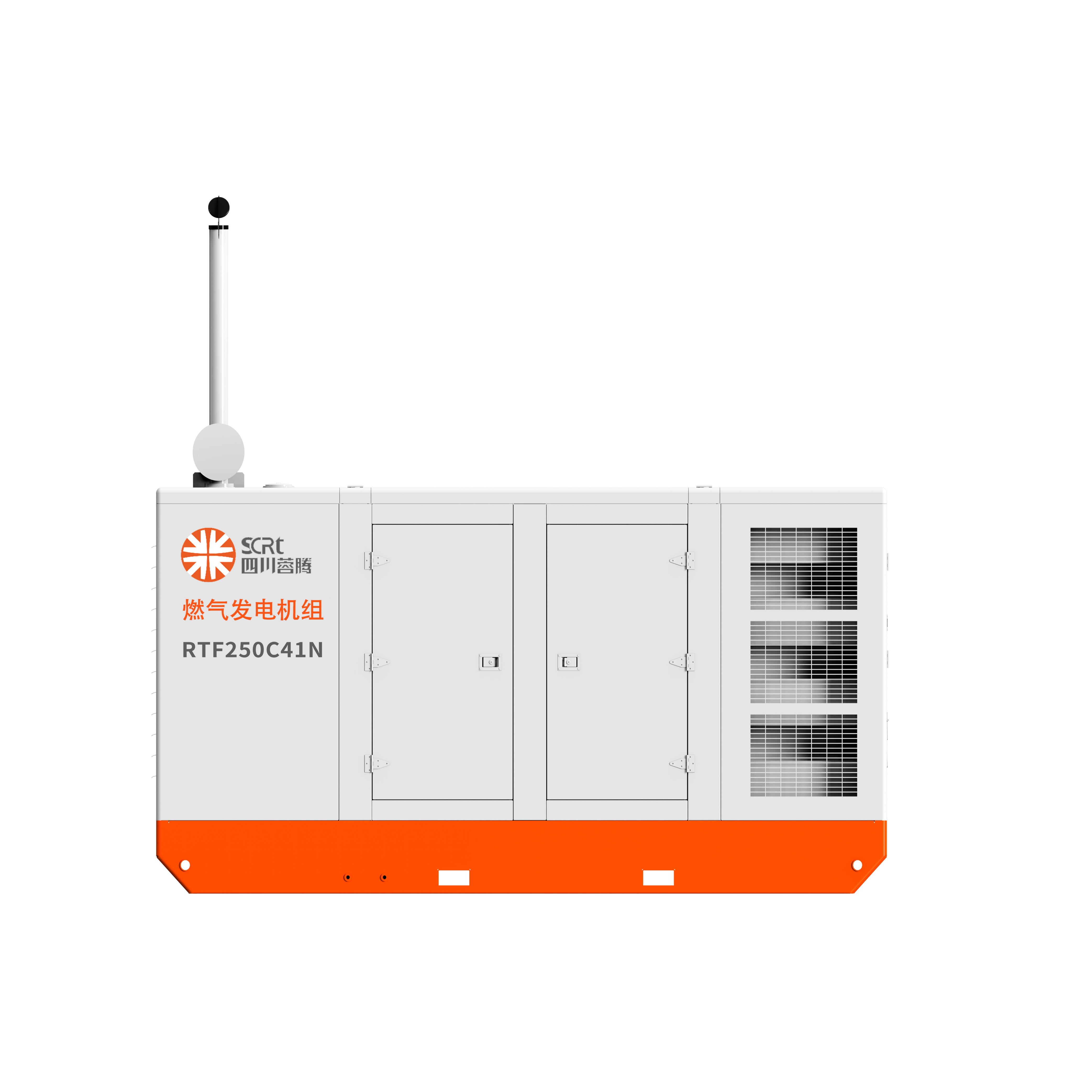
Gas generator systems in industrial settings need careful load management when power goes down. There are basically three must-have priority levels for critical loads: safety stuff like emergency lights and sprinklers, equipment required by law such as emissions monitors, and the main production gear that keeps money flowing. According to Ponemon Institute data from last year, plant shutdowns due to equipment problems typically run around $740,000 per facility each year. That's why getting load classifications right matters so much for keeping operations running smoothly. Plant engineers really ought to do detailed audits tracking actual power usage in kW and kVA, figure out how long different systems can tolerate being offline, and map out all those hidden connections between systems. Don't forget about things like compressor coolant pumps either these little helpers often get overlooked but their failure can bring entire production lines to a grinding halt.
Strategic Load Shedding of Non-Essential Equipment During Grid Instability or Fuel Constraints
When there are power grid issues or running low on fuel, smart systems automatically cut off non essential stuff first so generators can keep running what really matters. The modern control systems kick in fast to turn off things like fancy lights, extra air conditioning areas, and coffee machines in break rooms. This actually gives about 30 to 50 percent more time from backup power when outages last longer than expected. Getting this set up usually involves those PLC boxes that check current fuel amounts against priority lists we've already made. Take a look at what happens during fuel emergencies. Often secondary packaging lines get shut down before the main production equipment stays online. This keeps the factory making products but cuts overall energy use somewhere around 15 to 25 percent depending on conditions.
Intelligent Load Balancing with ATS and Digital Controller Integration
Automatic Transfer Switches for Seamless Source Transition and Load Redistribution
Automatic Transfer Switches, or ATS for short, are essential components in keeping power flowing reliably through industrial gas generator systems. These switches allow for almost instant switching from regular grid power to backup generators when there's an outage. Modern ATS systems watch voltage levels constantly and can shift electrical loads across different circuits in just under one sixth of a cycle time. This quick response keeps production lines running smoothly even during power disruptions. The newer microprocessor controlled versions work smartly too, focusing on what matters most first before moving less important loads around. This helps keep generators operating efficiently between about 30% to 80% of their total capacity. Operating within this sweet spot stops problems like wet stacking in diesel engines and actually cuts down on fuel usage by roughly 18% when generators need to run longer than usual. What makes these systems really valuable is how they balance the load across all phases and stop issues caused by uneven distribution, protecting sensitive equipment like PLCs and motor drives from those annoying voltage drops and strange electrical distortions that can damage machinery over time.
Real-Time Adaptive Control Algorithms in Modern Industrial Gas Generator Systems
Today's industrial gas generators come equipped with smart digital controllers powered by artificial intelligence. These controllers run adaptive algorithms that can react quickly when load conditions change throughout the day. The systems pull in live data from all sorts of IoT sensors monitoring things like fuel pressure levels, exhaust temps, and those tricky harmonic distortions. They process hundreds of data points every single second, sometimes upwards of 500 or so. Behind the scenes, machine learning models look at past usage patterns to spot trends and anticipate when demand might shift. This lets them tweak generator output before problems happen, preventing situations where the system gets overloaded or runs below capacity. When there's a spike in demand, the controllers employ what's called "soft loading" techniques. Instead of just turning stuff off abruptly, they slowly reduce non-essential equipment operation. This approach cuts down mechanical wear on alternators and prime movers by around 40 percent compared to sudden shutdowns. At the same time, these smart systems fine tune the fuel air mix ratio based on varying loads, which helps cut down NOx emissions by roughly 22 percent while keeping frequency stable within plus or minus half a percent. The whole setup works together like an ecosystem where automatic transfer switches and digital controllers coordinate seamlessly. Backup power kicks in only when absolutely necessary for critical operations, something that has been shown to extend equipment life expectancy by approximately 30%. Thermal imaging tests from 2023 confirm this finding, following the standards set out in IEEE 446-2023.
Demand-Side Optimization: Load Shaving Techniques
Time-Based Scheduling of Non-Critical Loads to Minimize Peak Demand and Avoid Utility Penalties
Moving non essential operations to off peak times through smart scheduling helps cut down on energy spikes and saves money on those demand charges that make up around 30 to maybe even 70 percent of what businesses pay for electricity according to the U.S. Energy Information Administration from 2023. Most industrial sites will shift things like running big machines for materials or adjusting heating systems to run at night or on weekends when power companies charge less. These days many facilities have table driven scheduling built right into their automatic transfer switch controllers. This lets them turn on compressed air systems only when rates drop, hold off on batch jobs until generators aren't working so hard, and coordinate lights or electric vehicle charging with whatever fuel sources happen to be available. The result? Flatter demand patterns mean factories can save anywhere between eight thousand and seventy four thousand dollars each year on those extra fees from utilities, plus they stay better prepared if there's ever trouble with the main power grid.
Proactive Capacity Validation and Overload Prevention Protocols
Routine Load Bank Testing to Verify Rated Output and Transient Response in Industrial Gas Generator Systems
Load bank testing on a regular basis tells us if those big industrial gas generators actually put out what they promise when things get really tough in the field, especially when there's high demand or unexpected power spikes happen. When we push these machines to full load capacity, we can find problems hiding in plain sight like shaky voltage levels, poor fuel flow, or inadequate cooling long before they shut down operations completely. According to industry standards like NFPA 110 and ISO 8528-6, plants that skip their yearly checkups run about double the chance of failing when the main power goes down. These tests do more than just confirm the kW ratings too. They look at how fast generators bounce back from sudden changes in load, something that happens all the time when motors start up across the factory floor. If it takes longer than two seconds to stabilize, production control systems connected via PLCs might crash. That's why many facilities opt for quarterly checks instead of annual ones, making sure their backup power stays reliable enough to keep essential operations running even when multiple systems kick in at once.
FAQ
What are critical loads in industrial gas generator systems?
Critical loads are essential operations within a facility that must remain operational during a power outage. These include safety systems, equipment required for regulatory compliance, and primary production lines that ensure continued revenue generation.
How does load shedding work during grid instability?
Load shedding involves automatically turning off non-essential equipment to extend the life of backup generators. It prioritizes critical operations by shutting down low-priority areas first, thus extending generator power during prolonged outages.
What role do Automatic Transfer Switches (ATS) play?
Automatic Transfer Switches allow for seamless switching between grid power and backup generators. They monitor voltage levels and quickly redirect power to manage load distribution and prevent operational disruptions.
Why is routine load bank testing important?
Routine load bank testing ensures that generators can deliver their rated output during critical conditions. It helps identify potential issues, such as unstable voltage levels, before they can cause operational failures.