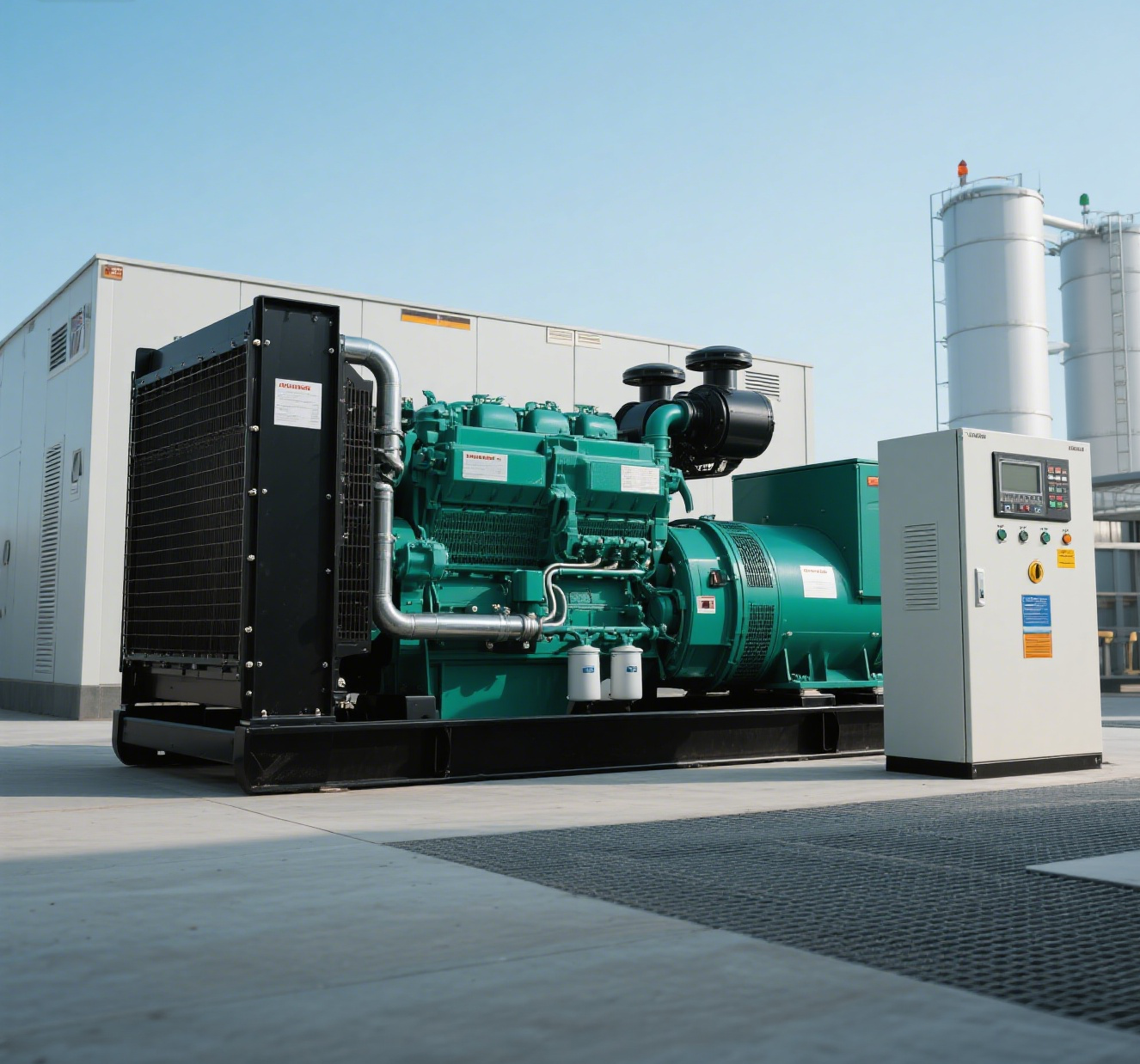
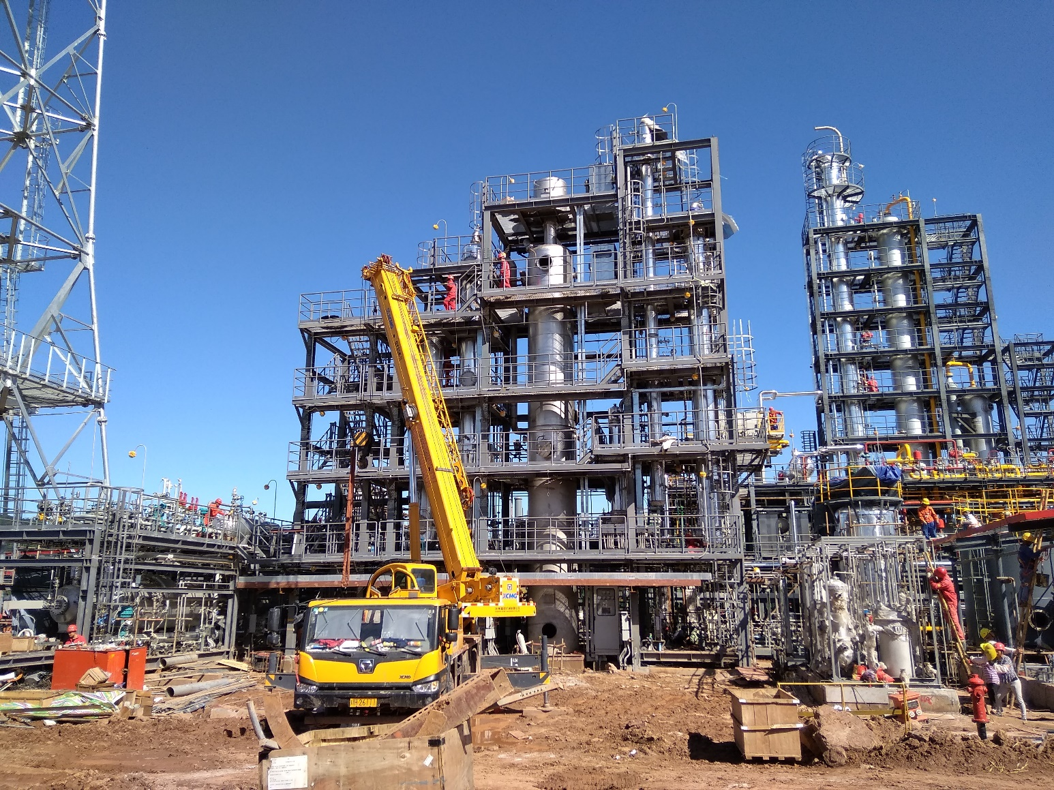
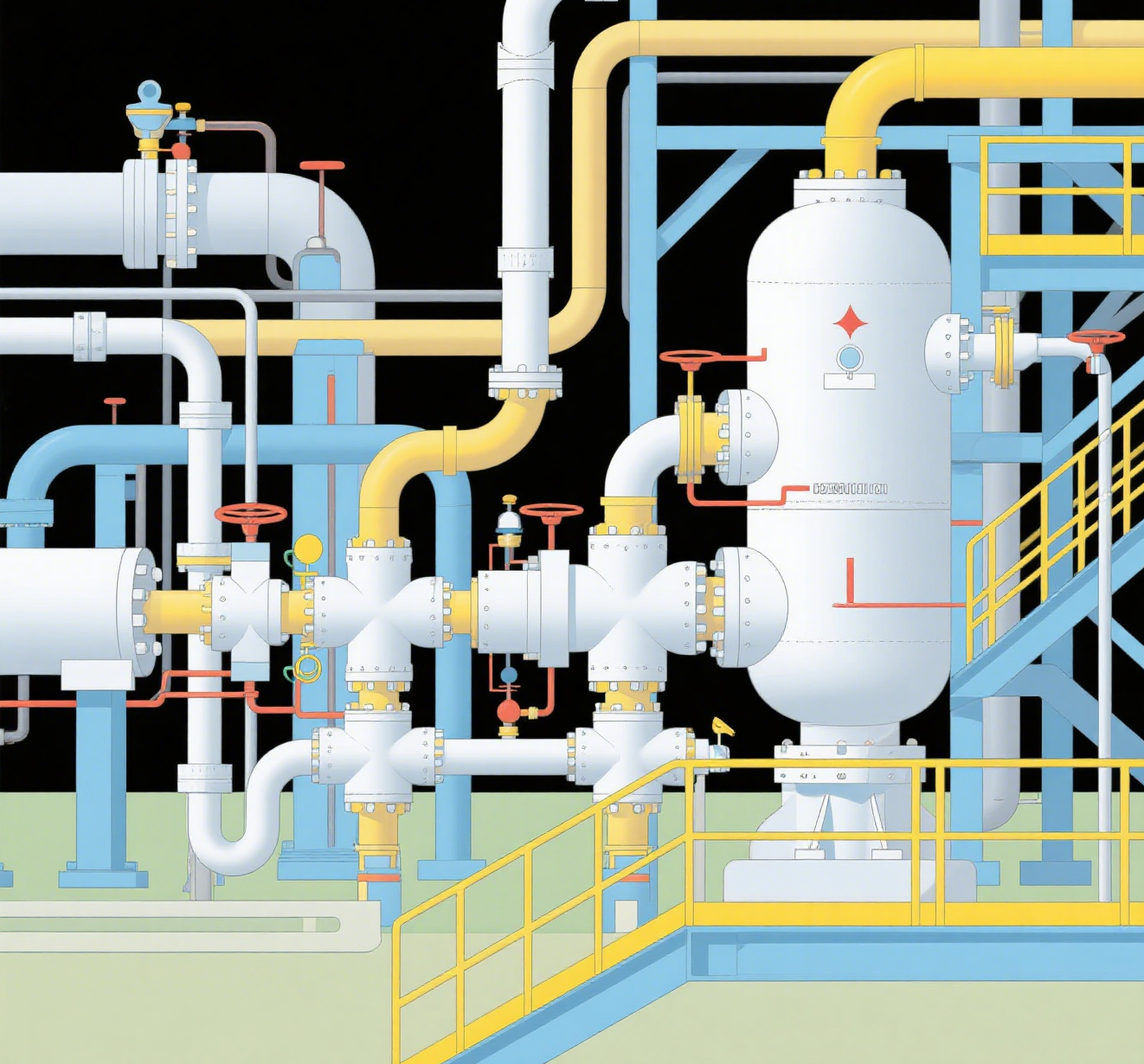
Gas Natural LNG (Liquefied Natural Gas) is transforming global energy markets by providing a cleaner, more transportable alternative to traditional fuels. In the power generation sector, LNG serves as a reliable and low-emission energy source for gas-fired plants, especially in regions lacking pipeline infrastructure. It enables peak shaving during high demand and acts as a backup for renewable energy systems, ensuring grid stability. As countries transition to greener energy, LNG plays a pivotal role in reducing carbon emissions while maintaining energy security and affordability.
The transportation industry is increasingly adopting Gas Natural LNG to meet stricter environmental regulations. In maritime shipping, LNG-powered vessels significantly cut sulfur oxides (SOx) and particulate emissions, complying with IMO 2020 standards. Heavy-duty trucking fleets and rail transport also benefit from LNG’s cost efficiency and lower CO₂ footprint compared to diesel. Emerging applications include mining and off-road vehicles, where LNG provides a sustainable fuel alternative for remote operations. With expanding refueling infrastructure, LNG is becoming the fuel of choice for cleaner logistics and freight mobility.
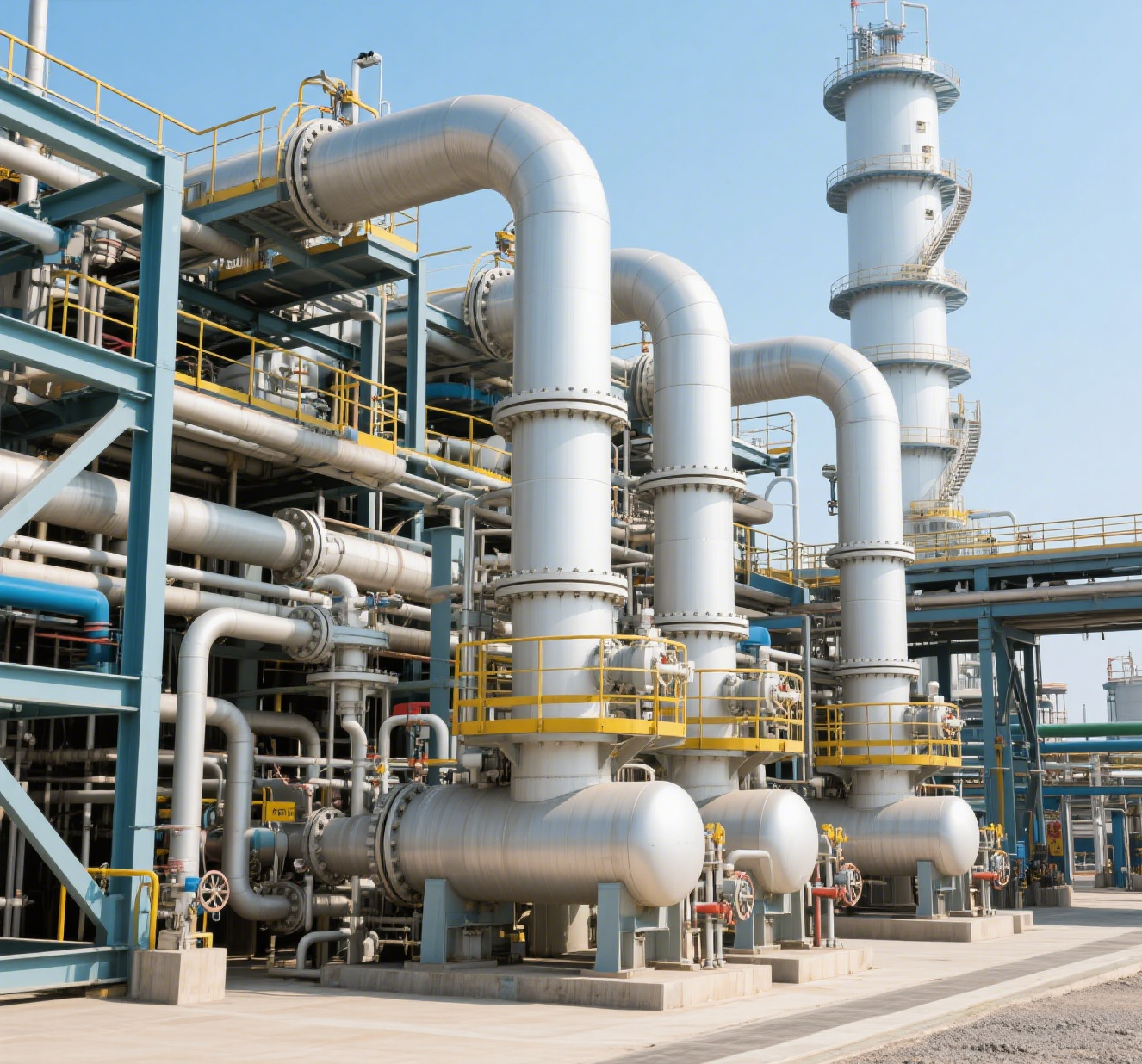
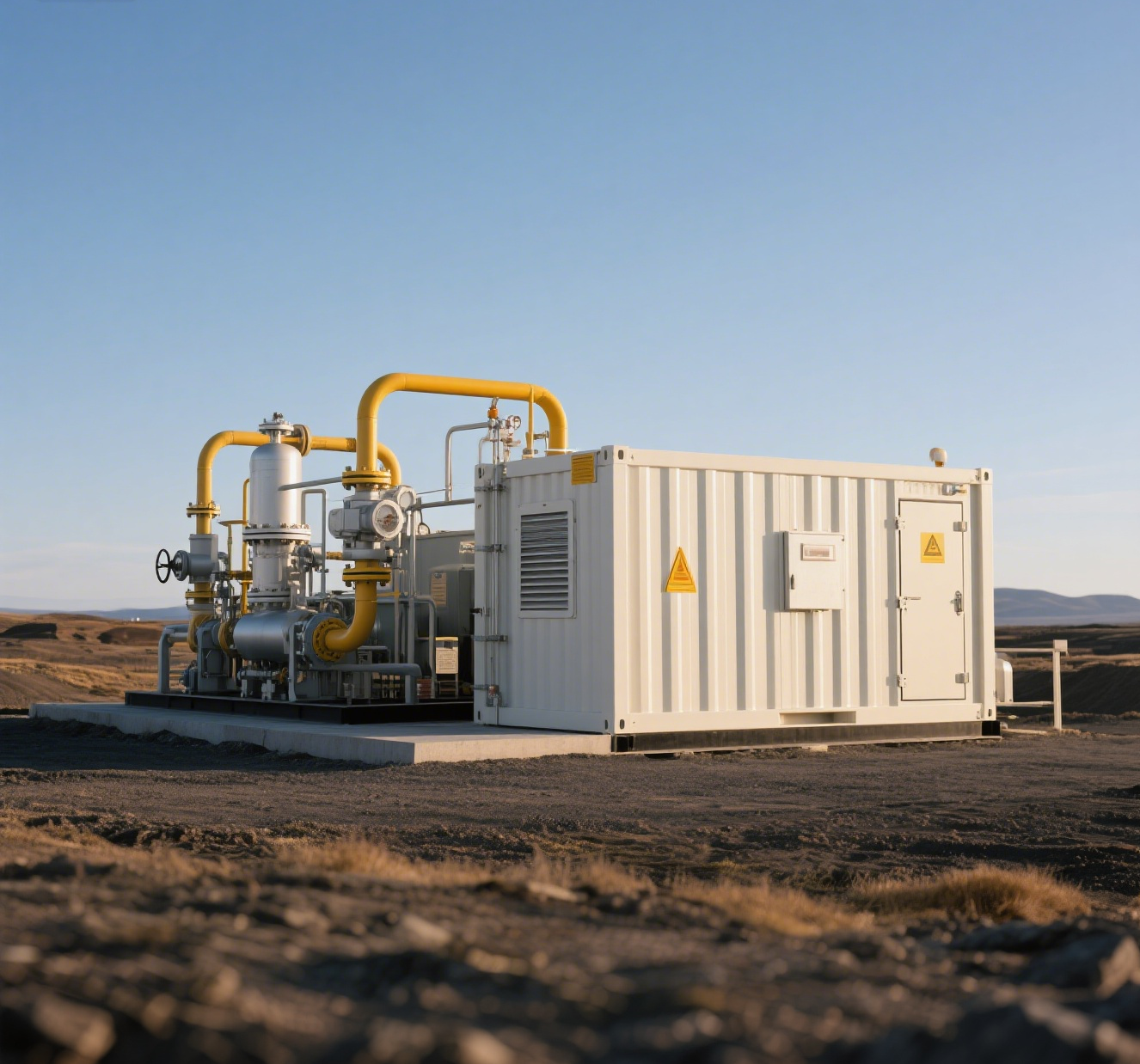
Industrial and commercial sectors leverage Gas Natural LNG for high-efficiency heating, cooling, and power generation. Industries like steel, glass, and ceramics use LNG for its precise combustion control in high-temperature processes. Food processing and cold storage facilities rely on LNG-powered refrigeration for energy savings and reduced emissions. Additionally, small-scale LNG solutions deliver gas to off-grid factories, hospitals, and data centers via virtual pipelines, ensuring uninterrupted operations. As renewable natural gas (RNG) and hydrogen blending advance, LNG’s role in decarbonizing industry continues to grow, making it a cornerstone of sustainable energy systems.
Copyright © Sichuan RongTeng Automation Equipment Co., Ltd. — Privacy Policy