
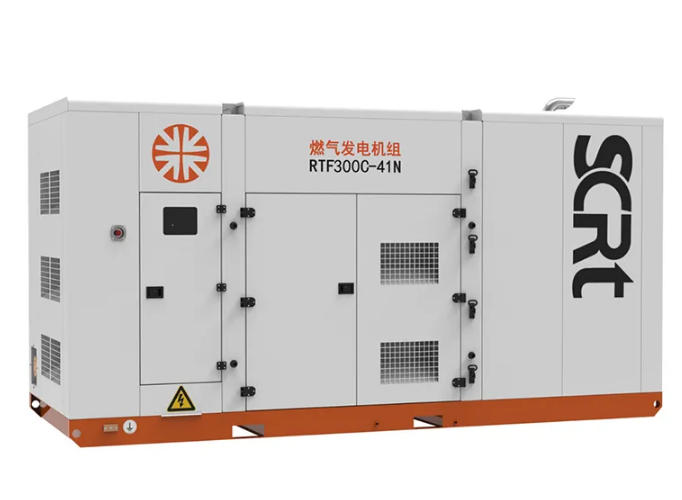
So you have picked out a gas engine generator and it is finally sitting on the delivery truck. Now comes the real work. Getting the installation and commissioning right is what separates a setup that runs smoothly for years from one that gives you constant headaches. This guide will walk you through the essential steps so you can avoid the common traps that catch a lot of people off guard.
Getting the site ready before anything else
The very first thing to think about is where the unit is going to live. You need a flat, level surface that can handle the weight. A concrete pad is usually the way to go. Pour it thick enough and let it cure fully before you even think about setting the generator down. While you are picking the spot, make sure there is plenty of clearance around the machine. Hot air needs somewhere to go, and you or your technicians need room to walk around and perform maintenance. An open area with good airflow is ideal, but if you are putting it indoors, make sure the ventilation system is up to the task. Poor airflow leads to heat buildup, and heat is the enemy of any engine. Also check that the location is not going to flood when it rains and that there are no flammable materials hanging around.
Connecting the fuel supply the right way
A gas engine generator runs on fuel, so getting the gas line hooked up properly is obviously a big deal. The connection must be tight and leak free. Use pipe sealant rated for gas applications on all threaded joints. A flexible hose section between the rigid pipe and the generator inlet is a smart move because it absorbs vibration and makes future service work much easier. Pay close attention to the gas pressure. Too low and the engine will starve for fuel, causing poor performance or stalling. Too high and you risk damaging the fuel regulator or creating a dangerous condition. Most units have a specified pressure range printed right on the data plate. Stick to those numbers. A pressure gauge installed near the generator lets you keep an eye on things. And please, do not skip the sediment trap and shut off valve. You will thank yourself later when you need to work on the system without cutting gas to the whole building.
Wiring up the electrical side safely
Electrical work is not the place to cut corners. The generator needs to be properly grounded. Drive a ground rod if local code requires it and connect it to the generator frame. The output cables from the generator to your transfer switch or distribution panel must be sized correctly for the amperage. Going too small creates a fire hazard. The automatic transfer switch, if you are using one, should be installed by someone who knows what they are doing because it connects your generator to the utility grid. Wrong wiring here can backfeed power onto the line and electrocute a utility worker down the street. Control wiring for things like remote start signals and alarm contacts also needs attention. Keep low voltage wires separated from high voltage cables to avoid interference. Label everything clearly so the next person who opens the panel does not have to guess what goes where.
Setting up ventilation and cooling
A gas engine generator throws off a lot of heat while it is running. If that heat stays trapped in the room, the engine will overheat and shut down, or worse, cause long term damage to internal components. For indoor installations, you need a ventilation system that brings in cool air and pushes hot air out. The intake should be low to the ground and the exhaust high up. That takes advantage of how hot air naturally rises. Make sure there are no obstructions blocking the airflow path. Keep the radiator and cooling fins clean as well. Dust and debris build up over time and act like a blanket, trapping heat inside the engine. A weekly visual check goes a long way toward preventing overheating problems later on. Outdoor units still need good clearance around them so the radiator fan can do its job without sucking in its own hot exhaust.
Walking through a thorough pre start inspection
Before you ever hit the start button, go through a checklist. Check the oil level. Too many people skip this step and destroy a brand new engine in the first five minutes. Check the coolant level if the unit is liquid cooled. Look for any loose bolts or fittings that might have vibrated loose during shipping. Make sure the battery is fully charged and the connections are clean and tight. Open the fuel valve. Verify that all emergency shutoffs are reset and ready. Remove any tools or debris that might have been left inside the enclosure. It sounds basic, but you would be surprised how often something simple gets overlooked.
Running the first startup and load test
The moment of truth has arrived. Crank the engine and let it run at no load for a few minutes. Watch the gauges like a hawk. Oil pressure should come up quickly. The engine should sound smooth with no knocking or misfiring. Once it has warmed up, check for gas leaks around all the connections with a soapy water spray. Bubbles mean you have a leak and need to tighten things up. After the no load run goes well, start adding load gradually. Use a load bank if you have one. Bring the load up in steps, letting the engine stabilize at each level. Monitor the voltage and frequency to make sure they stay within the specified tolerance. A gas engine generator that cannot hold stable voltage under load is not ready for prime time. Let it run at full load for at least an hour, checking temperatures and listening for any unusual sounds. Once everything checks out, record the readings for your baseline and transfer the load to the generator to confirm that the automatic transfer system works as designed.
What to keep in mind after commissioning
Your job is not completely done when the generator starts producing power. Document everything you did during the installation and commissioning. Keep those records handy because they will help with troubleshooting years down the road. Set up a regular maintenance schedule based on the manufacturer recommendations. Oil changes, air filter cleaning, spark plug checks, and valve adjustments all need to happen on time. A well maintained gas engine generator will serve you faithfully for a long time. A neglected one will leave you sitting in the dark when you need it the most. Take care of the machine, and it will take care of you.