
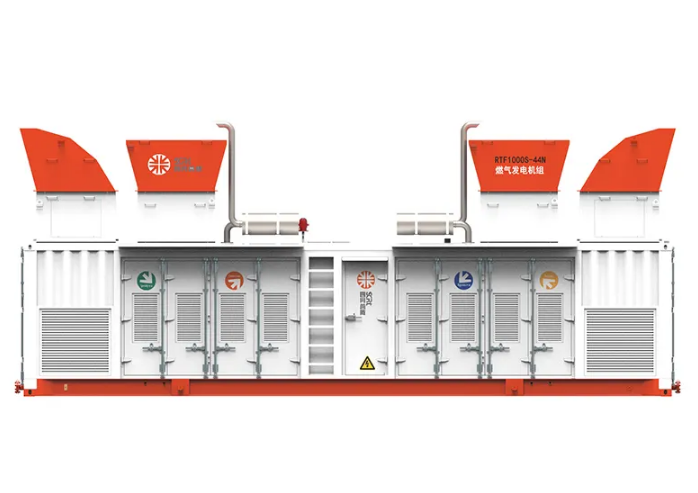
If you have ever shopped around for a backup power solution or a primary power source for a remote site, you have probably come across two main options: gas gensets and diesel gensets. They look similar on the outside, but the way they work and the situations where they shine are actually pretty different. Picking the wrong one can cost you a lot in fuel and maintenance down the road. So let me break down what a gas genset actually is and how it stacks up against its diesel cousin.
What exactly is a gas genset
A gas genset is basically an engine generator set that runs on gaseous fuel instead of liquid fuel. Think natural gas, biogas, propane, or even stuff like landfill gas. The engine burns that gas to spin a generator, which then produces electricity. The same basic idea applies to a diesel genset, except it drinks diesel fuel. Rongteng builds these kinds of units for all sorts of applications, from keeping the lights on in a factory to providing primary power for places where the grid is unreliable.
Fuel type and where it comes from
The most obvious difference is right in the name. A gas genset hooks up to a natural gas pipeline or uses stored gas from a tank. That means you get a continuous supply as long as the pipe keeps flowing. A diesel genset, on the other hand, runs on diesel stored right there on site in a fuel tank. That gives you independence from pipelines, which is great for remote locations, but you have to keep an eye on your fuel levels and arrange for refills. If your natural gas line gets cut for some reason, a gas genset suddenly becomes useless unless you have a backup plan.
Noise levels and how they feel to be around
Nobody likes a generator that sounds like a freight train idling in the backyard. Gas gensets tend to run a lot quieter and with less vibration than their diesel counterparts. The combustion process in a gas engine is smoother and cleaner, so you do not get that loud, rattling noise that diesel engines are famous for. This makes gas gensets a much better fit for residential neighborhoods, hospitals, or any place where noise pollution is a real concern. Diesel gensets can be seriously loud, which is fine for an industrial zone but annoying just about anywhere else.
Startup time and getting to work quickly
When the power goes out, you want things back up and running as fast as possible. Here is where things get interesting. A gas genset typically starts faster than a diesel one in normal temperatures. From a cold start, some can hit full load in around 30 seconds, while diesel units often take a couple of minutes to stabilize. However, when it gets really cold outside, diesel has an advantage. Gas engines might struggle to start in freezing weather unless they have a preheating system, while diesel engines are known for being able to crank up even in subzero conditions. So your local climate matters a lot when making this choice.
What it costs to keep them running
Money talks, right? On the fuel side, natural gas is generally cheaper per unit of energy than diesel in most places. That means a gas genset can save you a bunch on your daily operating costs, especially if you run it for many hours each day. But there is a catch. Diesel packs more energy into each gallon, so a diesel genset burns less fuel to produce the same amount of power. That higher fuel efficiency can offset the higher price of diesel depending on how you use it. For maintenance, diesel engines are built tough and tend to last longer with proper care, often clocking 20,000 to 30,000 hours before a major overhaul. Gas engines usually need more frequent servicing and might tap out around 10,000 hours.
Emissions and being kind to the planet
If you care about your carbon footprint, this one is a big deal. A gas genset burns much cleaner than a diesel one. It produces far fewer nitrogen oxides, almost no particulate matter, and significantly less carbon dioxide per kilowatt hour. Some modern gas units can even run on biogas, which is carbon neutral because the source plant matter pulled carbon out of the air while it was growing. Diesel gensets, especially older ones, put out a lot more smog forming stuff and sooty exhaust. That is why gas gensets are becoming the go to choice for green building projects and places with strict air quality rules.
Where you typically find each one
Gas gensets show up most often in areas with reliable natural gas pipelines. You will see them in factories, data centers, hospitals, and larger commercial buildings where they run for long stretches. They are also popular for combined heat and power setups, where the waste heat gets captured to warm the building or heat water. Diesel gensets rule the roost in construction sites, remote mines, farms, and as emergency backups for all kinds of facilities. Their ability to sit ready for months and then fire up instantly makes them perfect for situations where you just need power when the grid fails.
Making the right call for your situation
There is no single answer to which one is better. A gas genset wins on fuel cost, noise, and emissions, making it great for continuous operation in populated areas. A diesel genset takes the crown for portability, raw durability, and cold weather reliability. Think about how many hours per year you will run the unit, what fuel is available and affordable where you are, how much noise your neighbors can tolerate, and whether you need to move it around. Once you answer those questions, the right choice becomes pretty clear.