
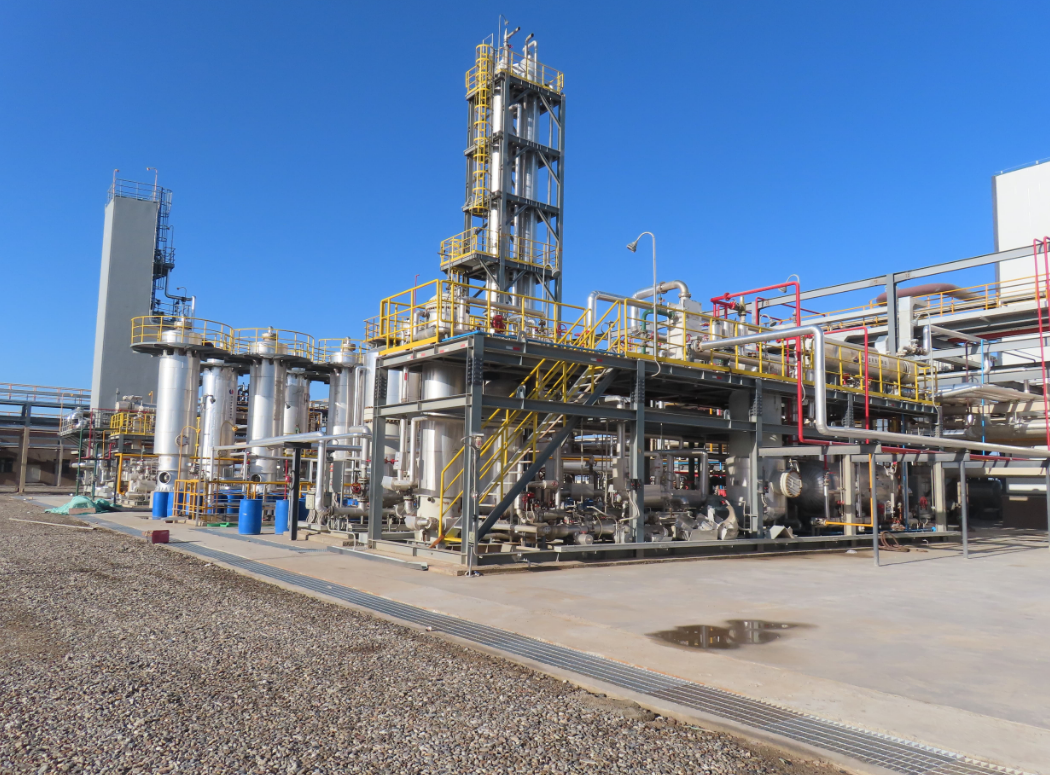
You have probably heard people talk about LNG as some kind of magic fuel that ships around the world. But what exactly is it? Well, liquefied natural gas is simply natural gas that has been cooled down to a really cold temperature, about minus 162 degrees Celsius. At that point, it turns into a liquid. And here is the cool part, when natural gas becomes liquid, it shrinks to about one six hundredth of its original volume. That means you can pack a whole lot of energy into a much smaller space. Think about it like squeezing a giant fluffy pillow down into the size of a tiny brick. That compression is what makes LNG so useful for moving gas to places that do not have pipelines. A good liquefied natural gas system lets you take gas from where it is found and send it to where it is needed, even across oceans.
The liquefaction process and why it matters
Turning natural gas into a liquid does not just happen by accident. It takes some serious engineering. The gas first goes through a cleaning step where things like carbon dioxide, hydrogen sulfide, and water get removed. You cannot just skip this part because those impurities would freeze solid at cryogenic temperatures and wreck the equipment. Once the gas is clean, it goes through a series of refrigeration cycles that gradually pull the heat out until it reaches that super cold liquid state. The whole process is energy intensive, but the payoff is huge. That liquid can now be loaded onto specially designed ships or trucks and sent to places that would otherwise have no access to natural gas at all. For islands, remote industrial sites, or regions without pipeline infrastructure, this technology is a total game changer.
Moving LNG by sea in purpose built carriers
Sending liquefied natural gas across the ocean sounds a bit nerve wracking, but modern LNG carriers are some of the safest vessels on the water. These ships are built with a double hull, which means there is an outer layer and then an inner layer separated by some space. If something bumps into the outer hull, the inner one stays safe. The cargo tanks are made from special materials that can handle the extreme cold without cracking or becoming brittle. On top of that, the tanks are heavily insulated to keep the LNG cold during the whole journey. Some of the LNG naturally boils off during the trip, but that boil off gas is actually captured and used as fuel to run the ship’s engines. Pretty clever, right? So the vessel basically powers itself while keeping the cargo stable.
Truck transport for shorter distances
Not every LNG delivery needs a massive ocean going ship. For shorter hauls, specially designed cryogenic tanker trucks do the job. These trucks carry vacuum insulated tanks that keep the LNG at its required low temperature. The tankers look like big shiny cylinders on wheels, and they are built tough. Drivers who handle these loads go through extensive safety training because they are carrying a cryogenic liquid. The routes are carefully planned to avoid overly congested areas whenever possible. When a truck arrives at a customer site, it connects to a vaporizer that turns the liquid back into gas so it can be used. This truck based delivery system is often called a virtual pipeline, and it works great for factories, power plants, or even small towns that are not hooked up to the main gas network.
Storing LNG safely at receiving terminals
Once LNG reaches its destination, it needs a place to hang out until someone is ready to use it. That is where storage tanks come in. These are not your average backyard propane tanks. LNG storage tanks are massive double walled containers. The inner tank holds the liquid and is made from materials that stay strong at cryogenic temperatures. The outer tank acts as a protective shell. Between the two walls, there is insulation that keeps the cold in and the outside heat out. The tank sits on a foundation that can handle the weight and also accommodates any thermal contraction. Most large tanks are built above ground, though some smaller facilities use underground or partially buried tanks for extra protection. These tanks also have pressure relief valves and gas detectors all over the place. If pressure starts building up too high, the system safely vents a small amount of gas. And that vented gas usually gets flared off or recovered rather than just released into the air.
Keeping everything safe with smart design and monitoring
You might wonder, is all this really safe? The short answer is yes, when done right. The LNG industry has spent decades figuring out how to handle this stuff without incidents. The key is layers of protection. First, the equipment is built to incredibly high standards. Second, operators constantly monitor things like temperature, pressure, and gas levels. If anything looks even slightly off, alarms go off and people take action. Third, facilities have emergency shutdown systems that can isolate leaks or stop flow in seconds. Fire suppression equipment is everywhere because while LNG itself is not explosive, the vapor it gives off can burn if it finds an ignition source. But here is the thing, LNG vapor is cold and heavy, so it tends to sink and hug the ground rather than floating away and spreading far. That actually makes it a bit easier to control compared to some other flammable gases. With proper training and equipment, the risks are very well managed.
Turning LNG back into usable gas
Eventually, that stored LNG needs to be turned back into a gas so people can actually use it for cooking, heating, or generating electricity. This is called regasification. The process is simpler than you might think. The LNG is pumped out of the storage tank and passed through a heat exchanger where it warms up. As the temperature rises, the liquid turns back into a gas and expands dramatically. That gas then goes into the pipeline system and heads off to homes, businesses, or power plants. Some facilities use ambient air to warm the LNG, while others use seawater or a small burner. The whole thing is surprisingly straightforward. Once the gas is back in its gaseous form, it behaves just like the natural gas that comes out of any other pipeline. So whether you are running a gas generator or just turning on your stove, it works exactly the same.
Final thoughts
Liquefied natural gas has opened up the world to cleaner energy in places that never had access before. The technology for transporting and storing it safely has matured over many years, and the industry takes safety extremely seriously. From double hulled ships to vacuum insulated tanks and carefully monitored storage facilities, every step is designed to keep things secure. So next time you hear someone talk about LNG, you will know exactly what it is and how it gets from the gas field to your neighborhood without any trouble.