
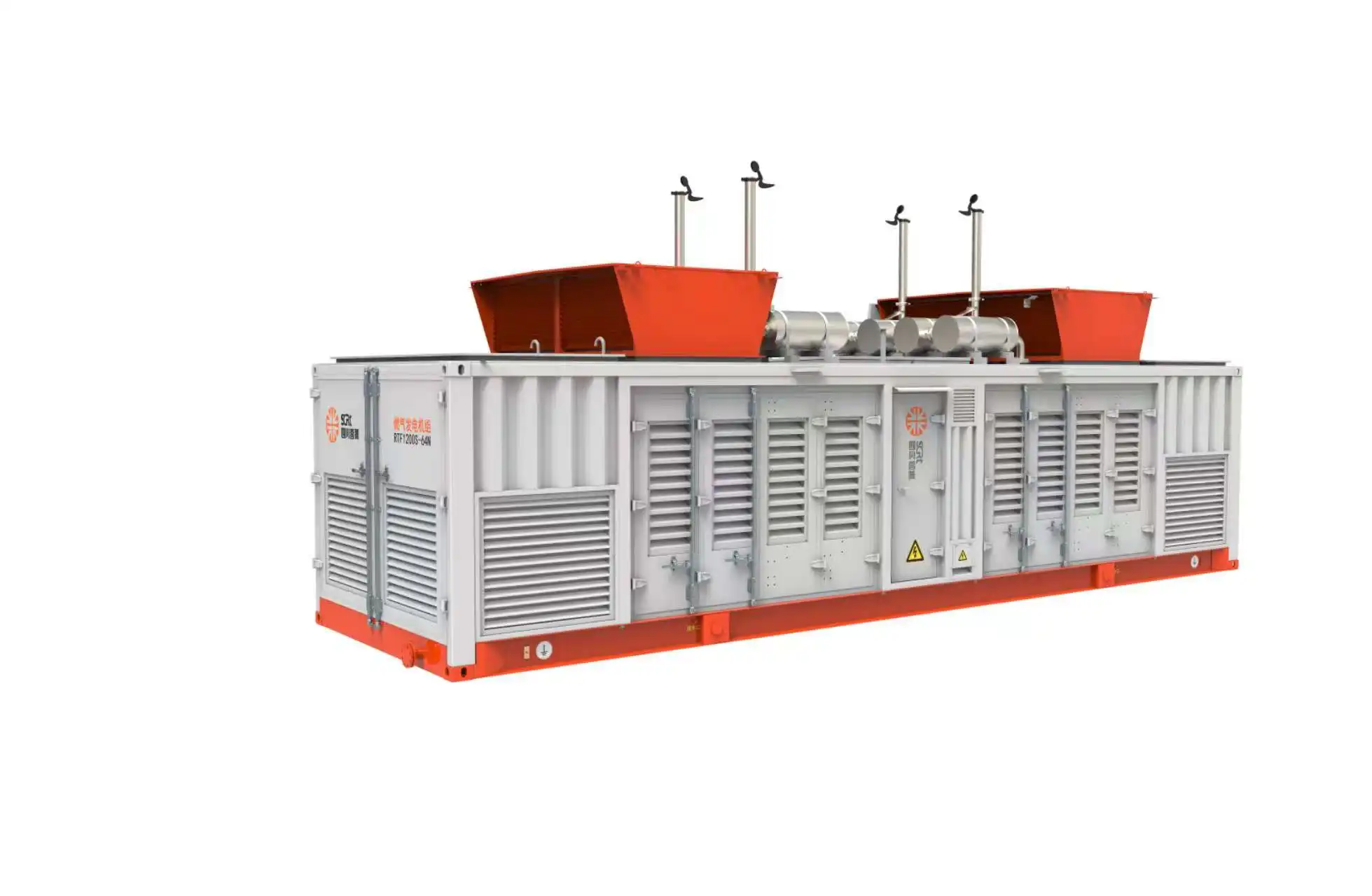
The Transition from Backup to Primary Power in Modern Energy Systems
Phenomenon: Gas Generator Sets as Prime Power in Critical Facilities
More and more gas generator sets are becoming main power sources instead of just emergency backups at essential facilities around the globe. Companies are making this change because they want to be independent from the grid and keep running smoothly no matter what happens. Many businesses find that their old electrical grids aren't reliable enough anymore. For instance, hospitals and large data centers have started installing natural gas generators to run constantly, not just during blackouts. These generators help protect against power cuts caused by storms or other problems outside their control. When companies treat local power generation as something fundamental rather than something extra, they can stay operational even when everything else goes wrong. This approach represents how energy strategies are changing across industries today.
Principle: Continuous Operation and Reliability of Gas Generator Sets
Natural gas generators today can run non-stop day after day, providing reliable power as long as they get regular maintenance checks and have good access to fuel supplies. What makes them so dependable? Well, they come equipped with smart monitoring tech, those handy automatic transfer switches we call ATS, plus special cooling systems that stop things from overheating when they're working hard for extended periods. These generators were built specifically for places where power outages just won't cut it. Hospitals, data centers, manufacturing plants all rely on them for constant electricity supply with hardly any breaks at all. That kind of continuous operation means businesses no longer need to treat these generators as backup options only. Instead, many companies now depend on them as their main source of power.
Case Study: Off-Grid Data Centers Powered by Gas Generators
Data centers operating off the grid especially in areas where electricity from utilities is unpredictable are showing how gas generators can actually work as primary power sources. When running completely on natural gas produced right at the site, these centers handle heavy computing tasks and still manage to stay online over 99.99% of the time. More companies in the data center space are starting to adopt what's called Bring Your Own Power setups, which makes it possible to get things up and running quickly without waiting around for grid connections. Looking at real world examples, there's growing evidence that systems powered by gas can hit the tough reliability benchmarks needed for large scale operations and AI processing demands.
Strategy: Aligning Gas Generator Deployment with Energy Autonomy Goals
Setting up gas generators as main power sources needs careful planning around getting energy independence sorted out. Companies need to look at what their actual power needs are, where they can get fuel from, how many backup units they should have running (like having one extra unit beyond what's needed or doubling up on critical systems), plus thinking about maintenance over time. Getting these power systems properly connected into existing infrastructure gives better control over operations, cuts down risks when the regular electricity supply goes down, and leaves room for growing later on. Throw in requirements for meeting environmental standards and keeping costs reasonable, and businesses can run reliably without outside dependencies. Plus, this approach opens doors for switching to cleaner options down the road, whether that means using renewable natural gas or mixing in some hydrogen with traditional fuels.
Integration with Renewables and Microgrids for Sustainable Power Stability
Gas Generator Sets as Load-Following and Backup Assets in Renewable Projects
Gas generators are really important for renewable energy setups because they fill in the gaps when solar panels aren't producing enough power or the wind just stops blowing. These machines can ramp up or down quickly based on what the grid needs at any given moment, which is super helpful when there's not enough green energy coming from other sources. They get going pretty fast too, sometimes hitting full power within just a few minutes. This quick response helps keep everything running smoothly on the electrical grid, stopping potential outages when the sun hides behind clouds or the breeze dies down completely. Because of this ability to respond instantly, gas generators have become key components in many mixed energy systems that combine traditional fuels with cleaner alternatives like wind and solar power.
Hybrid Microgrids: Combining Solar, Wind, and Gas Generator Sets for Grid Stability
Hybrid microgrids bring together solar panels, wind turbines, and gas generators in a way that makes the whole system work better and last longer. When the sun is shining or winds are blowing hard, renewables generate cheap power. But when conditions aren't so good, those gas generators kick in as backup, keeping everything running smoothly no matter what Mother Nature throws at them. Studies show these mixed systems cut down on problems caused by bad weather by around two thirds compared to setups relying only on renewables. Think of the gas generator as sort of the anchor holding things steady. It lets operators install more solar and wind without worrying about stability issues because it handles important tasks like regulating frequencies and getting the grid back online after major outages.
Environmental Compliance and the Shift Toward Cleaner Gas Generator Solutions
Emission Regulations Accelerating the Shift from Diesel to Natural Gas Generator Sets
The tough emissions rules coming out of places like the U.S. Environmental Protection Agency (EPA) and the European Union have pushed many companies to switch from diesel generators to natural gas alternatives. The Tier 4 standards basically put a cap on harmful stuff like nitrogen oxides (NOx), sulfur oxides (SOx), and those tiny particles we all hate seeing in the air. Natural gas generators just don't spew these pollutants nearly as much as their diesel counterparts do. Companies facing this regulatory squeeze find themselves looking at natural gas as the go-to option for clean power generation. Many businesses want to meet environmental targets anyway, so it makes sense they'd gravitate toward cleaner options while still needing reliable backup power when the grid goes down.
Balancing Rising Power Demand with Sustainability in the Gas Generator Era
With growing power demands worldwide, particularly in data centers and essential infrastructure, natural gas generators present a good middle ground. They deliver reliable power but produce fewer emissions than traditional diesel options. The benefits include lower carbon dioxide output, ability to work with renewable natural gas and hydrogen mixtures, plus they can be paired with battery storage solutions. All these features make gas generators useful stepping stones on the path to greener energy sources. For businesses needing power now but wanting to reduce their carbon footprint over time, this approach offers both stability and environmental consciousness without having one compromise the other.
FAQs
What are the main benefits of using gas generators as primary power sources?
Gas generators offer continuous operation, reliability, and energy independence. They can operate non-stop and provide a dependable power supply with regular maintenance, smart technology integration, and good fuel access.
How do gas generators contribute to environmental goals?
Gas generators produce fewer emissions than diesel engines and align with stricter environmental standards. They can use renewable natural gas and hydrogen mixtures, aiding the transition to greener energy solutions.
Why are gas generators becoming crucial in data centers?
Gas generators address AI and hyperscale data centers’ high energy demands by offering scalable and quick-adapting power solutions. They help overcome grid limitations and support uninterrupted operations.
What role do gas generators play in renewable energy setups?
In renewable energy projects, gas generators serve as load-following and backup assets. They fill power gaps when renewables like solar and wind aren’t sufficient, ensuring grid stability.