
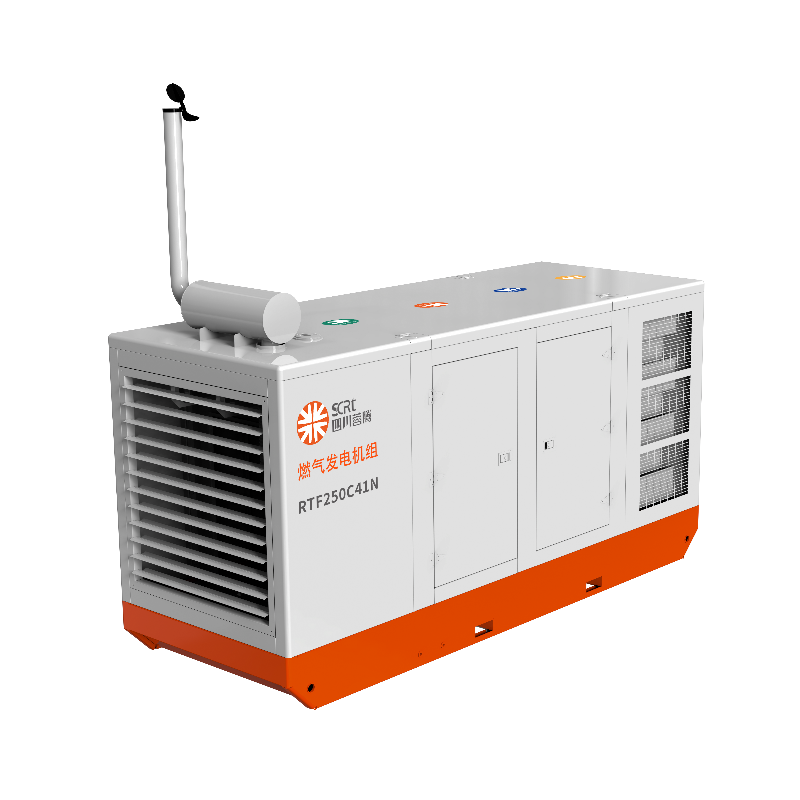
Understanding Gas Generator Sets and How They Work
What Is a Gas Generator Set?
Gas generator sets basically work by turning the chemical energy stored in fuels like natural gas or propane into electricity through combustion processes inside the engine. The core components include an engine where gas burns to push pistons back and forth, which turns a crankshaft connected to an alternator. This alternator then creates AC power using magnetic fields as it spins. When we look at how it works step by step, fuel first combines with air inside a special chamber called the combustion chamber. Controlled explosions happen there that generate the mechanical force needed to keep everything running. Most modern models today run around 40 to 45 percent efficient, making them quite good compared to other options. Many businesses actually favor these gas powered generators over diesel alternatives simply because they emit fewer pollutants overall.
Key Components of a Gas-Powered Generator System
All gas generators depend on three main parts working together for proper function. First up is the gas supply system, which brings fuel to the unit. This can happen via natural gas lines running underground or from those big propane tanks sitting outside buildings. Next comes the heart of the operation: the internal combustion engine. Inside here, fuel gets lit off and creates pressurized gases that push those pistons back and forth. Finally, there's the generator itself, sometimes called an alternator, that takes all that mechanical motion and turns it into usable electricity. Don't forget about the control panel either. It keeps track of everything from voltage levels to overall performance while also kicking in safety features when something goes wrong. Cooling systems are another must have component since they stop things from getting too hot during extended operations. When all these pieces fit well together, the whole system runs smoothly for years at a time.
Natural Gas vs. Propane: Fuel Options Compared
When it comes time to pick between natural gas and propane, most businesses find themselves weighing three main factors: what's available locally, how much they'll spend, and what actually works best for day-to-day operations. Natural gas tends to be cheaper to run long term since it flows through existing pipelines right to the property. No need to worry about running out or scheduling deliveries because there's no onsite tank to fill. The downside? Not every location has access to those pipelines. Propane gets stored in big metal tanks instead, which makes sense for places away from cities or rural areas without gas lines nearby. But folks pay more per gallon equivalent compared to natural gas. Both options beat diesel in terms of clean burning though. Natural gas produces just a bit less CO2 overall, while propane packs more punch in smaller volumes so storage space matters less. For companies trying to decide which fuel works best for backup generators, looking at where fuel can be obtained, how much room they have for tanks or connections, and how long they need power during outages really helps narrow things down.
Benefits of Using a Gas Generator Set for Commercial Applications
Reliability and Continuous Power Supply
Backup power from gas generator sets is essential when the main electrical grid goes down, especially for businesses that can't afford downtime. Natural gas units have a major advantage because they connect directly to pipelines, so there's always fuel available and they start up quickly. This matters a lot in places where power outages could be dangerous or costly, such as medical facilities, server farms, and factories running important production lines. Compared to diesel generators that need constant refueling from limited stockpiles at the site, natural gas generators sidestep problems with delivery delays and don't face the same issues with old fuel going bad over time. The result? Systems stay ready to go whenever needed without worrying about running out of fuel or dealing with degraded performance after sitting idle for months.
Lower Emissions and Environmental Advantages
Switching to gas generator sets means a big drop in environmental harm when compared against old school diesel options. These units produce around 30 percent fewer nitrogen oxides (NOx) emissions and basically zero particulate matter, which helps companies stay within those tough EPA Tier 4 regulations that keep getting stricter every year. When it comes to carbon footprint reduction, natural gas models beat their diesel counterparts by roughly 25%. For businesses aiming for green credentials, this makes all the difference. Many construction firms and manufacturing plants are making the switch not just because it's good for the planet but because they need these numbers on paper for LEED certification requirements and other sustainability benchmarks that investors now demand.
Cost Efficiency and Fuel Availability
Businesses looking at their bottom line find natural gas generators pretty attractive because of steady fuel prices and less maintenance headaches. Unlike diesel which jumps around in cost all the time, companies get better control over their energy budget when using natural gas. The pipeline system takes care of fuel delivery so there's no need to build expensive storage tanks or deal with those logistics nightmares. Plus, the cleaner burn means oil changes happen less frequently and parts last longer since engines aren't working as hard. Not to mention plenty of local governments throw in cash rebates or tax breaks for businesses that switch to these lower emission systems, making the whole investment pay off faster than expected in most cases.
Selecting the Right Gas Generator Set for Your Business Needs
Choosing the appropriate gas generator set requires evaluating power demands, site conditions, and industry-specific requirements. A well-informed selection supports business continuity, regulatory compliance, and long-term cost savings.
Determining Required Power Output and Load Capacity
Getting the right size generator starts with knowing exactly what electricity load we're talking about. Do a thorough check of everything that needs power during an outage. Think about HVAC units, lights, computer servers, and any machines used in manufacturing processes. Don't forget to note the difference between what these items need to run continuously versus the extra kick they require when first turned on. Most experts suggest leaving around 20 to 25 percent extra capacity just in case something changes down the road or there's an unexpected spike in demand. Going too small means generators get overloaded and break down eventually. But going too big isn't good either since oversized generators waste fuel and money over time while running inefficiently.
Evaluating Installation Environment and Space Requirements
Where generators are placed makes all the difference when it comes to how well they work and whether they stay safe over time. When looking at installation spots, make sure there's enough room around for proper air flow, where exhaust can go, and so technicians can actually get to do their regular checks. For indoor units, check what the local building regulations say about things like getting fresh air in, keeping noise down, and containing any fumes that might escape. Outdoor models need protection from rain and snow, plus should never be put in areas that flood during heavy storms. Don't forget about the ground itself needing to hold up under the weight, how close the fuel supply is located, if big trucks can reach the site for maintenance, and what kind of land use permissions are required. Getting these basics right from day one saves money later on and keeps operations running smoothly without unexpected problems down the road.
Matching Features to Industry-Specific Demands
Industries vary greatly when it comes to their electricity needs and system requirements. Hospitals need rock solid backup power solutions with automatic transfer switches because they simply cannot afford any downtime for critical medical devices. Factories tend to focus on getting the most out of their fuel while handling those tough electrical demands from big industrial motors and air compressors. For data centers, speed is everything. They need generators that kick in almost instantly and work seamlessly with their UPS systems plus all sorts of sophisticated monitoring tech. Picking the right generator means matching things like what kind of fuel it runs on, how clean it operates, how loud it gets, and whether it can plug into existing infrastructure. Get these factors right and businesses stay compliant while keeping operations running smoothly during power outages.
Maintenance and Operational Best Practices for Longevity
Routine Inspection and Preventive Maintenance Tips
Putting together a good preventive maintenance schedule really makes a difference when it comes to how long generators last and how reliable they stay over time. When doing regular inspections, don't forget to check oil levels, look at those air filters, examine spark plugs, make sure coolant is okay, and scan fuel lines for any signs of leaks or wear and tear. Most folks follow what the manufacturer recommends plus stick to industry standards too. These regular service sessions actually work wonders at stopping surprise breakdowns. Some research out there suggests that sticking to these kinds of maintenance routines cuts down on unexpected downtime by about half sometimes. Don't skip load testing every now and then either. It tells us if everything works properly when things get busy in real life situations. Keeping thorough records of all this maintenance stuff helps track when parts start wearing out so we can plan repairs ahead of time instead of getting caught off guard. The bottom line? Taking care of equipment before problems happen saves money on fuel, keeps running costs down, and most importantly ensures power stays available when needed.
Common Issues and Troubleshooting Gas Generator Sets
No matter how good the maintenance schedule is, gas generators can still run into trouble now and then. The usual suspects? They just won't start up, put out erratic voltage, get too hot, or shake around strangely. When a generator refuses to start, most times it's because the battery is dying, there's something stuck in the fuel filter, or something's wrong with the ignition system. If the electricity coming out isn't steady, check the voltage regulator first or look for wires that might have come loose somewhere. Generators that overheat usually need more coolant, have dirty radiators, or their thermostats aren't working right. Strange vibrations generally mean parts inside are out of balance or the mounts holding everything together are worn down. For anyone dealing with these problems, it makes sense to follow a step by step approach starting with checking power supplies, making sure fuel gets through properly, and running some basic tests. This method saves time fixing small problems before they turn into big headaches later on.
FAQ
1. What is a gas generator set?
A gas generator set is a device that converts chemical energy from fuels like natural gas or propane into electricity through combustion processes.
2. What are the main components of a gas generator?
The main components include a gas supply system, an internal combustion engine, and an alternator. Additional components include a control panel and cooling system.
3. What are the benefits of using natural gas over diesel?
Natural gas generators are more cost-efficient, produce lower emissions, and offer reliable fuel supply via pipelines, unlike diesel which requires storage and frequent deliveries.
4. How do you maintain a gas generator set?
Routine maintenance involves regular inspections of oil levels, air filters, spark plugs, and conducting load tests to ensure all parts function properly.