
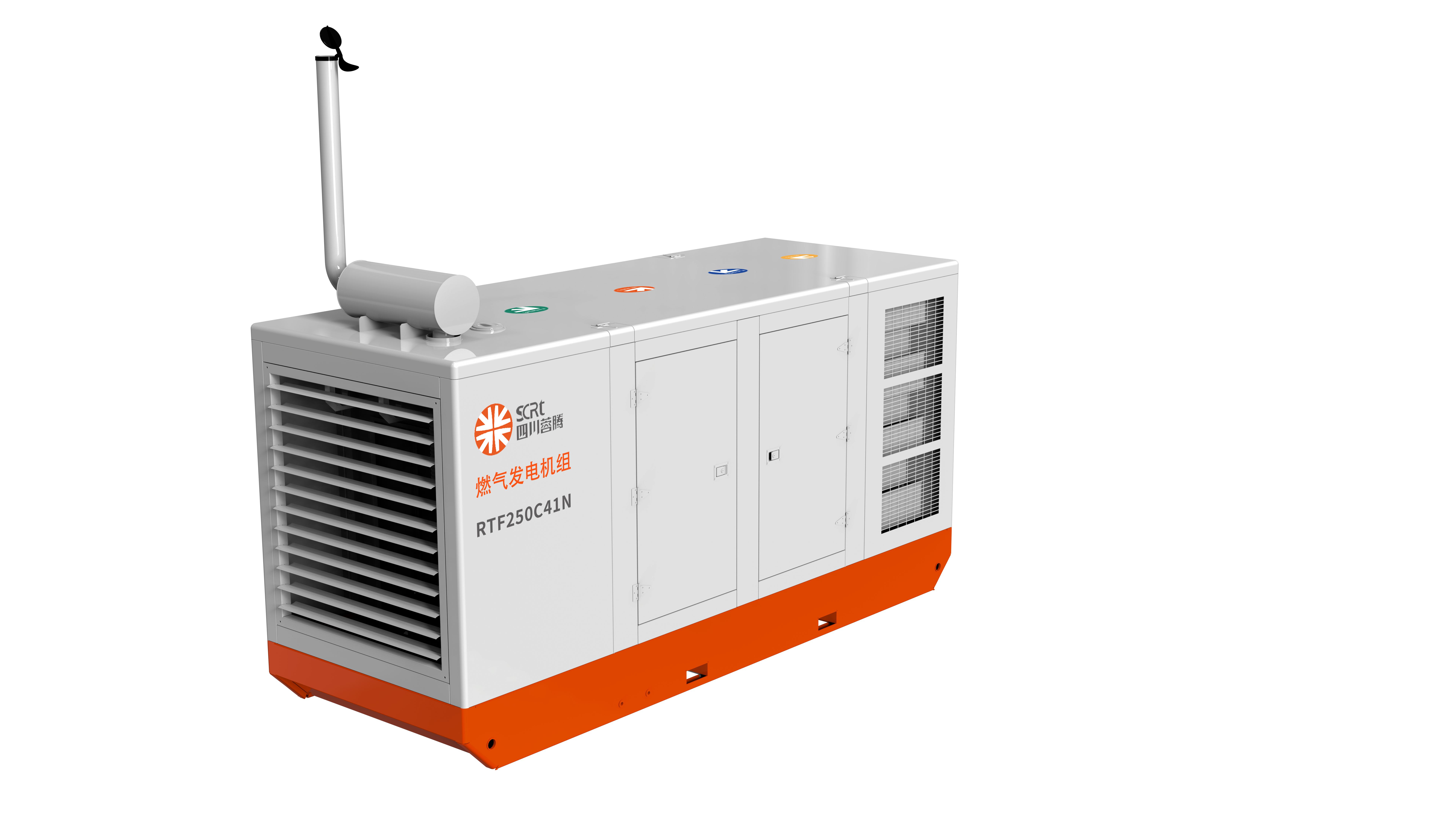
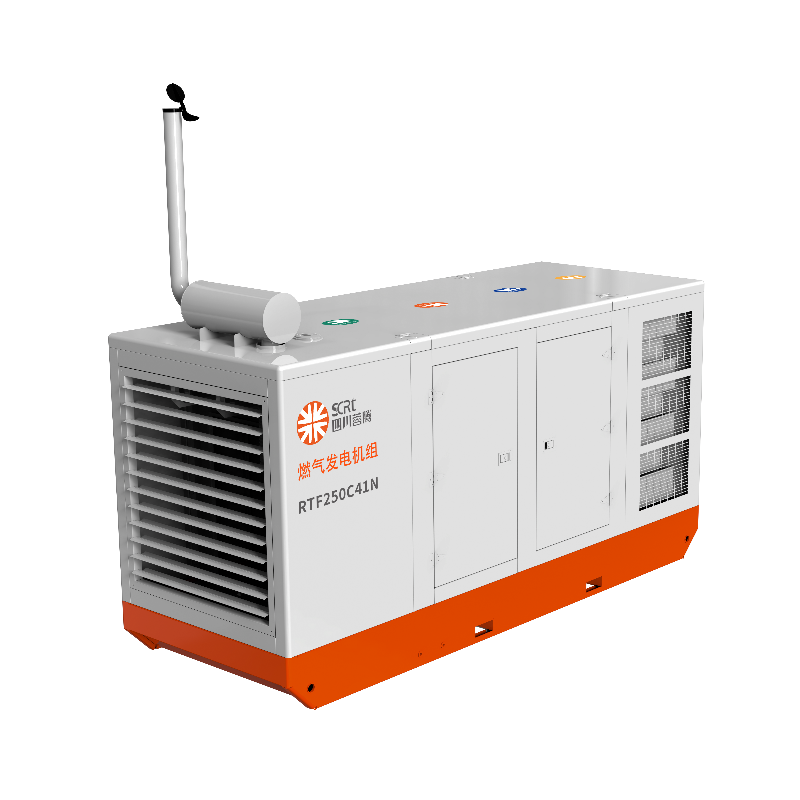
Why Choose a Gas Generator Set Over Diesel or Other Alternatives?
More and more industrial sites that need dependable backup power or primary electricity generation are turning to gas generator sets instead of their diesel counterparts. The main reasons? Lower pollution levels, better economics in the long run, and simpler setup requirements. Gas powered generators produce far fewer nitrogen oxides (NOx) emissions and basically eliminate particulate matter problems, which is a big deal when trying to meet those tough environmental regulations such as the EPA's Tier 4 Final standards. From a money standpoint, sure diesel used to have an edge on thermal efficiency, but look at the ongoing cost differences these days. Natural gas typically runs around $1.50 to $3 per million British thermal units, whereas diesel fuel prices hit $3.50 to $4.50 per gallon back in 2024. When operations run for extended periods, this price difference adds up quickly, making natural gas the smarter choice financially for most businesses.
Natural gas generators get rid of those pesky on site fuel storage expenses, eliminate spill hazards, and cut down on all the paperwork headaches because they can tap into existing pipelines. Still worth noting though, diesel generators often make more sense for places far off the grid where there's no gas connection available. Or when operations need that instant power boost right away for full load demands. Most factories and plants that have reliable gas service find natural gas generators give better long term value overall. They produce fewer emissions obviously, plus running costs come out about 15 to 30 cents cheaper per kilowatt hour compared to diesel engines in the same applications.
Key Technical Specifications to Evaluate in a Gas Generator Set
Selecting the right gas generator set requires careful evaluation of technical specifications to ensure performance, compliance, and longevity. Industrial buyers must prioritize parameters aligned with both operational demands and regulatory frameworks.
Power Output, Efficiency, and Fuel Flexibility
When it comes to power capacity measured in kilowatts (kW), generators need to handle about 15 to 20 percent more than what's required at peak times. This buffer helps avoid overloading the system and keeps engines running longer. Today's gas generator sets can hit around 40 percent electrical efficiency thanks to better combustion systems, which means they burn less fuel while producing fewer emissions. Another big plus is fuel flexibility since these units work well with either pipeline natural gas or propane. For businesses concerned about continuity, dual fuel models are particularly valuable because they play nice with automatic transfer switches (ATS). This setup ensures operations keep going even when there's an interruption in fuel supply. Standards like ISO 8528-1:2005 set important rules about how generators respond to sudden voltage changes and maintain stability under different loads, something absolutely necessary for safeguarding expensive industrial gear from damage.
Emissions Compliance and Environmental Certifications
Meeting emissions standards isn't optional anymore. Natural gas generators produce around 20 to 30 percent fewer nitrogen oxides compared to similar diesel models, which helps facilities stay within EPA Tier 4 Final and EU Stage V requirements. Independent organizations like CARB and those behind EU Stage V regulations offer their seals of approval as proof these machines actually perform better environmentally. For added protection and neighbor relations, many units come equipped with carbon monoxide detectors, catalytic converters, and specially designed enclosures that keep noise levels below 75 decibels at seven meters away according to ISO 6798:1995 standards. These features make all the difference when installing generators near residential areas or in cities where space is tight and noise complaints can become a real headache.
| Specification | Critical Thresholds | Compliance Standard |
|---|---|---|
| Transient Response | <10% voltage dip | ISO 8528-1:2005 |
| NOx Emissions | ≤0.5 g/kWh | EPA Tier 4 Final |
| Standby Noise | ≤75 dBA @ 7m | ISO 6798:1995 |
Proactive specification alignment prevents costly retrofits and unplanned downtime, which averages $740,000 per hour for manufacturing facilities (Ponemon Institute, 2023). Technical diligence isn't just prudent—it's strategic.
Installation, Integration, and Load Management Best Practices
Site Preparation and Gas Supply Infrastructure Requirements
Getting the site ready properly makes all the difference when it comes to running things safely and efficiently. Start off by checking the soil quality to make sure it can support what needs to be built there. Bad foundation work accounts for about one third of problems seen during installations of industrial power systems according to research published last year in Energy Journal. Keep at least three to five feet free space around whatever gets installed so workers can breathe properly, get maintenance done, and escape quickly if needed. When dealing with gas supplies, double check that the pressure stays close to what the manufacturer recommends, give or take 10%. If it goes outside those limits, performance drops significantly, sometimes as much as 18%. Put extra shut off valves plus leak detectors not far away from the main equipment, ideally within 15 feet or so. Places prone to earthquakes need special supports against shaking, while areas with harsh winters should protect any pipes and regulators from freezing damage.
Synchronization with Grid or Microgrid Systems
Getting generators and external power sources to sync up smoothly requires pretty exact matches in voltage (within about 2%), frequency (around 0.1 Hz difference), and phase angles (no more than 10 degrees off). These days most systems use microprocessor controllers to handle the synchronization automatically, which cuts down on the chance of damaging equipment when connections go out of phase. When integrating into microgrids, it makes sense to build in those programmable load shedding features so essential circuits stay powered during switchovers. Monitoring harmonics in real time is another must do task. Keeping total harmonic distortion (THD) under 5% isn't just good practice, it meets IEEE 1547 standards and keeps sensitive electronic gear safe. Smart load management pays off in multiple ways too. It saves on fuel costs while reducing heat buildup in components, which ultimately means longer lasting systems across the board.
Routine Maintenance and Long-Term Reliability of Gas Generator Sets
Regular maintenance really makes all the difference for keeping gas generators running reliably over time and saving money in the long run. According to data from Industrial Reliability Consortium back in 2023, places that stick to their manufacturer's recommended service schedule see about 30% fewer unexpected breakdowns. What does good maintenance actually look like? Well, checking those combustion chambers, spark plugs, and exhaust systems regularly helps stop carbon buildup before it becomes a problem since that stuff tends to eat away at efficiency pretty fast. Running oil analysis tests around every 500 hours of operation catches signs of wear early on, which can save a lot of headaches down the road. And don't forget monthly load bank testing either. This checks how well the generator performs during high demand situations, making sure it won't let anyone down when there's no backup plan available.
Preventive Maintenance Schedules and Critical Component Checks
Daily and periodic tasks form the backbone of dependable operation:
- Fluid Management: Oil changes every 200 hours (or biannually), using manufacturer-specified viscosity grades
- Air System Integrity: Filter replacement quarterly—or more frequently in high-dust environments
- Ignition Verification: Spark plug inspection and gap adjustment during bi-annual servicing
- Leak Detection: Annual pressure testing of fuel lines and exhaust manifolds
| Component | Check Frequency | Failure Risk if Neglected |
|---|---|---|
| Coolant System | Monthly | Overheating (55% of engine failures) |
| Voltage Regulator | Quarterly | Unstable power output |
| Battery Terminals | Weekly | Starting failure (most common no-start cause) |
Common Failure Modes and Proactive Troubleshooting Tips
Getting ahead of problems saves time and money in the long run. Starting issues are pretty common too, showing up in about 40% of machines after they hit five years old. Before jumping straight into fuel system checks, check those basics first: make sure the battery has enough juice, look at the terminals for corrosion or loose connections, and test if the starter solenoid works properly. When engines get too hot, it's usually because something's blocking the radiator, coolant levels are running low, or there's a leak somewhere. Running an infrared scan while the engine operates helps spot those hot spots fast. Strange vibrations? That usually means alignment problems, worn out motor mounts, or bearings going bad somewhere inside. These need proper mechanical inspection right away. Keeping track digitally makes all the difference. Record how many hours each machine runs, note down any error codes that pop up, and document every maintenance job done. Looking back through these records reveals patterns nobody would catch otherwise. And remember, when dealing with complicated electrical systems or control panels, leave it to the pros. Trying to fix these things without proper training can create bigger safety hazards, void warranties, and end up costing much more in the future than hiring qualified help ever would.
FAQ
Why should I choose gas generator sets over diesel?
Gas generator sets offer advantages such as lower emissions, cost savings in fuel, and fewer operational hurdles, making them an attractive choice over traditional diesel generators.
How much more efficient are gas generators compared to diesel ones?
Gas generators can achieve around 40% electrical efficiency due to improved combustion systems, often leading to a fuel cost saving of about 15 to 30 cents per kilowatt hour over diesel generators.
What are the critical technical specifications I should look for in a gas generator set?
Key specifications include power capacity with a buffer of 15 to 20 percent, fuel flexibility, compliance with emissions standards, and robust synchronization with grid or microgrid systems.
How is routine maintenance different for gas generator sets?
Routine maintenance includes regular checks of combustion chambers and spark plugs, oil analysis every 500 hours, and load bank testing to ensure reliability and efficiency.