
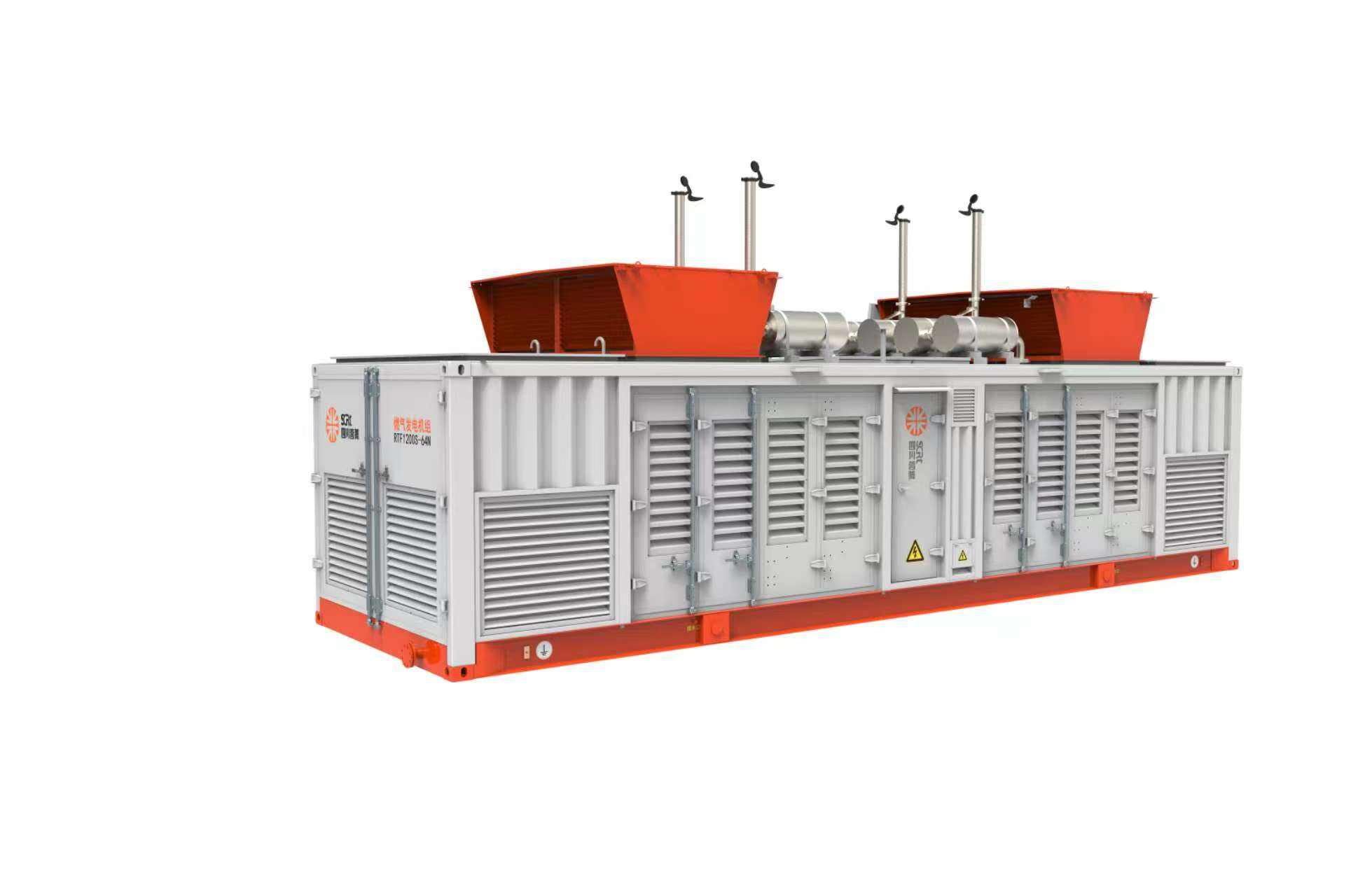
Understanding Gas Generator Set Capacity: kW, kVA, and Load Factor Fundamentals
Why kW vs. kVA matters for natural gas generator set efficiency
Kilowatts (kW) measure actual usable power, while kilovolt-amperes (kVA) represent total apparent power. The relationship is governed by Power Factor (PF), where PF = kW / kVA. Most industrial natural gas generator sets are rated at 0.8 PF—meaning only 80% of the kVA rating translates into usable kW. For example:
| Generator kVA Rating | Usable kW (at 0.8 PF) |
|---|---|
| 100 kVA | 80 kW |
Selecting a unit based solely on kVA without factoring in PF risks a 20% shortfall in real output. This mismatch can cause voltage instability during motor starts and chronic overloading—leading to premature component failure.
How load factor determines optimal gas generator set sizing—and why 60–80% loading is ideal
Natural gas generators work best when they're operating between about 60% and 80% of their maximum capacity. When these machines run below 60%, something called wet stacking happens. Basically, leftover fuel starts collecting in the exhaust system instead of burning completely. This leads to faster carbon buildup and corrosion problems over time. A recent study by Ponemon found that generators constantly running too light actually accumulate around 17% more carbon deposits compared to those within proper ranges. On the flip side, pushing generators past 80% capacity creates serious heat and mechanical stress that wears down components like windings and bearings much quicker than normal. What about oversized generators? Those big beasts that sit there idling most of the time while only handling 40% or less actual workload? They end up wasting roughly 22% extra fuel each year because the combustion process isn't complete enough to maintain good efficiency levels.
Accurately Assessing Your Energy Requirements for a Gas Generator Set
Step-by-step wattage calculation: Prioritizing essential loads (HVAC, well pump, refrigeration)
Begin by identifying critical loads requiring backup—such as medical equipment, HVAC systems, refrigeration, sump pumps, or well pumps. Record each appliance’s running wattage, the steady-state power needed during normal operation:
- Refrigerator: 600–800 W
- Sump pump: 750–1,000 W
- Central AC: 2,000–4,000 W
- Lighting circuits: 300–600 W
Sum these values, then apply a 20% buffer for contingencies. This total reflects your baseline continuous power requirement. Prioritization ensures resilience without unnecessary capacity—professional load assessments help validate coverage of mission-critical systems.
Surge wattage pitfalls: Managing motor-start demands without oversizing your gas generator set
Appliances powered by motors need a lot of power when they first start up, usually around 2 to 3 times what they consume normally. Take a typical 1000 watt well pump for example it might actually pull as much as 3000 watts right when it kicks on. Instead of buying a generator big enough to handle all those surges at once, just figure out what's the biggest single surge from any appliance and add that to the total running wattage of everything else. This method saves money without sacrificing reliability when starting motors. Going too big on generator size leads to problems like wet stacking and burns through about 22% more fuel each year according to Ponemon's research in 2023. On the flip side, if the generator isn't sized properly, voltages drop dangerously low and breakers keep popping off. Most folks find that keeping their generator loaded between 60 and 80 percent most of the time works best for maintaining good performance over the long haul while also controlling emissions effectively.
Avoiding Critical Sizing Errors: Risks of Undersized and Oversized Gas Generator Sets
Undersizing consequences: Voltage drop, overload tripping, and premature failure in residential gas generator sets
When a natural gas generator is too small for its connected loads, it simply can't keep up, leading to serious reliability problems right away. The voltage fluctuations that result can wreak havoc on delicate equipment like hospital machines, servers in data centers, and those smart HVAC systems that adjust speed automatically. When overloaded repeatedly, the protective relays kick in and shut things down, stopping important work processes cold. What's even worse is how constant strain wears out parts faster. We're talking about increased wear on engine components such as pistons, bearings inside the crankshaft, and the winding coils within the alternator itself. According to field reports from technicians, homes where generators run at over 90% capacity for 200+ hours annually end up needing about 37% more maintenance overall, plus their service schedules get cut short compared to generators installed correctly from day one.
Oversizing hazards: Wet stacking, carbon buildup, and 22% higher fuel waste in underloaded gas generator sets
Running generators too big for their workload leads to serious problems across the board, not merely wasting money upfront. Natural gas generators that run at less than 30% capacity end up with cylinder temps dropping below what's needed for proper burning. What happens next? The unburned fuel turns into liquid in the exhaust system, creating something called wet stacking which eats away at manifolds and mufflers over time. When combustion isn't complete, carbon builds up on important parts like valves and piston rings, cutting down how efficiently the engine works by around 15% after just 18 months of operation. The worst part? These underused machines actually burn about 22% more fuel for every kilowatt hour they produce compared to when they're running between 60 and 80% load. Look at large LNG facilities for example - a single megawatt installation could be losing well over seven hundred forty thousand dollars each year just from this kind of inefficient operation.
FAQ Section
What is the difference between KW and KVA?
KW (kilowatt) measures actual usable power, whereas KVA (kilovolt-ampere) represents total apparent power. The difference is influenced by the Power Factor, typically 0.8 for industrial generators.
Why is maintaining a load factor between 60% and 80% ideal for generators?
Generators operate most efficiently between 60% and 80% of their maximum capacity. Operating below 60% leads to wet stacking, whereas surpassing 80% increases mechanical stress and heat, leading to quicker wear.
How do you calculate the right generator size for your needs?
Identify and sum the running wattage of all essential loads, apply a 20% buffer for contingencies, and consider the largest single surge when determining generator size, avoiding oversizing and undersizing issues.