
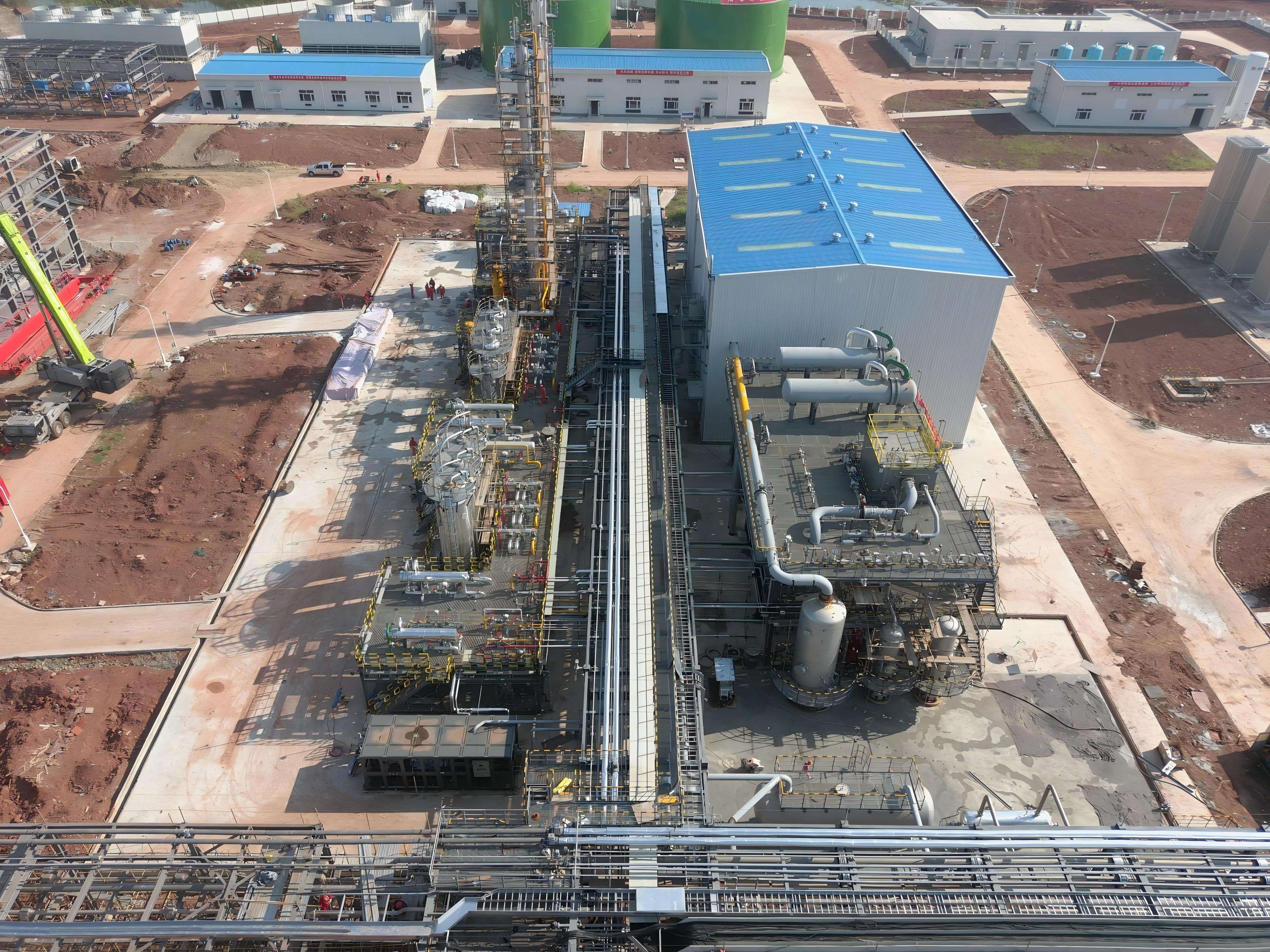
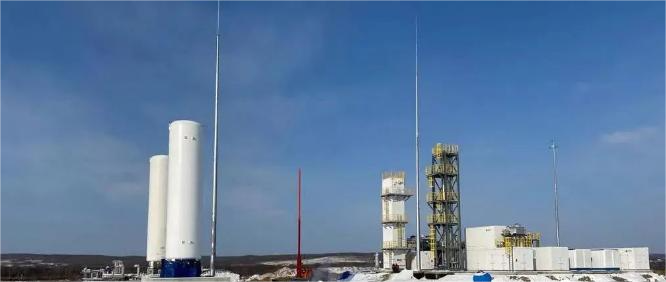
As global energy demand becomes more diversified, LNG liquefaction plants are playing a critical role in helping projects secure stable, flexible, and transportable natural gas supply. For many regions, especially those with limited pipeline infrastructure or distributed industrial demand, LNG offers a practical way to improve fuel storage, long-distance transportation, and end-use reliability. RongTeng’s current solution portfolio reflects this market direction by focusing on natural gas liquefaction, purification, and integrated gas processing systems for industrial energy projects. (500,000Nm³ Per Day LNG Liquefaction Device)
One of the most important applications of an LNG liquefaction plant is power generation. LNG can be supplied to gas-fired plants in remote industrial zones, mining projects, island grids, and distributed energy systems where pipeline gas is unavailable or unreliable. By converting natural gas into liquefied form, project developers can reduce transportation constraints and build a more flexible fuel supply chain. RongTeng’s application pages explicitly position LNG as a suitable fuel for gas turbine power generation and broader energy infrastructure where reliable gas access is essential.
LNG liquefaction plants also support industrial heating and manufacturing. Sectors such as glass, ceramics, metallurgy, and other heat-intensive industries require stable and efficient fuel sources to maintain continuous production. LNG helps these facilities access natural gas even in locations without strong pipeline connectivity. This makes LNG liquefaction technology valuable for factories, industrial parks, and processing plants that need dependable energy with better storage and transport flexibility. RongTeng’s LNG application content specifically highlights industrial heating as a key downstream use case for liquefied natural gas.
Another major application area is transportation and marine fuel supply. LNG is increasingly used in heavy-duty transport and shipping because it offers a cleaner-burning fuel option for fleets and energy logistics systems. In these projects, an LNG liquefaction plant serves as the upstream production base for fueling infrastructure that supports LNG trucks, ship fuel supply, and other mobility-related energy demand. For larger-scale projects, equipment such as the 500,000Nm³ Per Day LNG Liquefaction Device can help deliver the production capacity needed for stable LNG distribution across transport applications. RongTeng’s site also highlights heavy transport and ship fuel among the major terminal uses of LNG.
A further advantage of LNG liquefaction plant applications is their value in urban gas peak shaving and regional energy security. Cities and utilities often face seasonal or short-term demand spikes that exceed normal pipeline delivery capacity. Stored LNG can be released during these high-demand periods, helping stabilize supply and reduce system pressure. This makes LNG plants highly relevant for municipal energy planning, regional gas balancing, and projects that need a backup fuel strategy to improve resilience. RongTeng’s LNG-related pages directly identify urban gas peak shaving as one of the important downstream applications of LNG solutions.
At the same time, successful LNG projects depend on effective gas pretreatment and purification. Before natural gas can be liquefied efficiently, impurities such as carbon dioxide, hydrogen sulfide, and moisture must be removed to protect equipment, maintain cryogenic performance, and ensure product quality. This is why many LNG projects require purification systems as part of a complete engineering solution. Products such as the 400,000Nm³ Per Day Acid Removal Unit are therefore highly relevant in integrated LNG developments where upstream gas conditioning is essential before liquefaction begins. RongTeng’s gas treatment and purification pages emphasize exactly this type of system integration.
In summary, LNG liquefaction plant applications extend across power generation, industrial heating, transportation, marine fuel supply, and urban peak shaving. For EPC contractors, plant owners, and industrial buyers, the real value lies not only in LNG production itself, but in choosing a supplier that can combine liquefaction, purification, and scalable engineering into one efficient solution. That integrated positioning is already clearly reflected in RongTeng’s current website structure and product offering, making this topic a strong fit for the site’s SEO and commercial direction.