
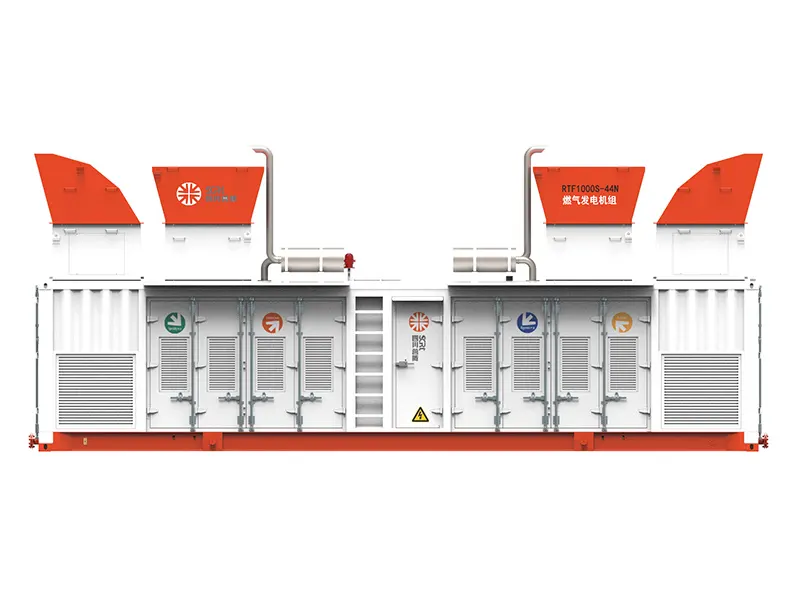
Why Industry Is Shifting to Decentralized Gas Power Industrial Energy Systems
Escalating Grid Vulnerabilities and Cost Volatility Driving Onsite Energy Independence
The energy landscape for manufacturers is getting really tough these days. When grids fail, industrial plants lose around $740,000 every single hour they're down according to Ponemon's research from last year. And let's not forget about those crazy electricity prices swinging over 30% annually in places where markets aren't regulated. All this pressure is pushing companies to look at onsite gas power solutions instead. These local systems provide instant backup when the main grid goes dark and allow for microgrids that don't rely so heavily on big central power stations. Looking at where things stand globally, Asia Pacific region is way ahead with about 41% of all such installations happening there. Why? Better access to natural gas supplies combined with recent improvements how different power systems can work together as hybrids makes this region particularly attractive for adopting these technologies.
Resilience, Reliability, and Operational Continuity Gains for Critical Manufacturing
Industries that rely on continuous processes, such as pharmaceutical manufacturing and semiconductor fabrication, need reliable power solutions to keep running smoothly. Decentralized gas systems provide exactly that kind of stability when it counts most. These systems activate their automatic transfer switches within less than ten seconds, which means there's almost no downtime during power fluctuations. The base load matches what the facility actually needs for heat generation, and operators can blend hydrogen with natural gas as regulations change over time. For companies operating in global supply chains where even brief interruptions cost millions, having this kind of backup isn't just good practice anymore. It separates successful businesses from those struggling to stay competitive in today's market demands.
Combined Heat and Power: The Efficiency Core of Decentralized Gas Power Industrial Energy Systems
How CHP Delivers 70–90% Total System Efficiency Through Thermal–Electrical Synergy
Combined Heat and Power, or CHP as it's commonly called, changes how industries think about their energy costs because it captures all that wasted heat that normally just escapes through the exhaust in regular power plants. Think about it this way: most traditional systems lose around 60% of their input energy as heat going nowhere. With CHP technology, factories can actually put that leftover thermal energy to work for them instead of letting it go to waste. They might generate steam, run absorption chillers, or even use it directly for manufacturing processes. The result? System efficiencies jump up to between 70 and 90%, which is almost twice what we see in standard setups that handle heat and power separately at only 40 to 50%. And these aren't just theoretical savings either. Real world applications show that companies save somewhere between 35 and 40% on their main fuel usage compared to buying power from the grid. Plus there's a nice environmental benefit too with carbon dioxide emissions dropping by about 25% each year for every megawatt of CHP capacity installed according to recent industry reports from 2023.
Real-World Adoption: CHP Integration in Process-Intensive Industries
Facilities in petrochemical industries, food processing plants, and high-tech manufacturing tend to adopt combined heat and power systems first, particularly when they need to handle thermal loads for more than about 2,500 hours each year. Take one major Chinese industrial automation company as an example. They installed gas powered CHP units throughout their different sites. This setup met around 85 percent of their electricity needs. What's more, they found clever ways to reuse the waste heat generated from these systems. The excess heat now warms up paint curing ovens and dries products along assembly lines. As a result, energy bills dropped by roughly 30%. Operations continue smoothly even during those expensive peak tariff times or when there are problems with the local power grid. Why do companies keep adopting this technology? Well, it works best when processes require constant heat, offers better protection against outages, and helps meet environmental regulations. Plus, governments often provide financial incentives through tax breaks and expedited permits, especially in areas where the power supply isn't always reliable.
Emerging Gas-Based Technologies: Fuel Cells and Hydrogen-Ready Decentralized Systems
Solid Oxide and PEM Fuel Cells: Scalability, Emissions Reduction, and Natural Gas–Hydrogen Blending Pathways
The rise of Solid Oxide Fuel Cells (SOFCs) and Proton Exchange Membrane (PEM) technology is really pushing forward how we think about decentralized gas power generation these days. SOFCs manage to hit over 60 percent electrical efficiency through their electrochemical process, which cuts out those pesky combustion losses we see in traditional systems. Plus, these units come in all sizes, starting at around 10 kilowatts right up to massive multi-megawatt installations depending on what someone needs. PEM fuel cells have another advantage though - they respond quickly to changes in demand, making them great for keeping microgrids balanced when things get unpredictable. Both types cut down NOx emissions by roughly 90% compared to regular generators, plus they run almost silently, which matters a lot for urban areas. What makes these technologies especially interesting is their ability to help transition away from fossil fuels gradually. Existing facilities can actually start running on mixes containing 20% hydrogen now, while working towards eventually switching completely to green hydrogen sources. Some companies pioneering this approach have already seen impressive results too, cutting carbon dioxide emissions by about 40% simply by incorporating 30% hydrogen into their industrial heating processes.
Overcoming Barriers to Widespread Deployment of Decentralized Gas Power Industrial Energy Systems
Regulatory Fragmentation, Interconnection Challenges, and the Need for Targeted Incentives
There are basically three major roadblocks holding back wider adoption right now. First, regulations just don't line up across different regions, which causes all sorts of problems when trying to get permits and meet compliance standards. The whole process gets really complicated because each jurisdiction has its own take on things like emissions limits, safety procedures, and how microgrids actually connect to the main power grid. Then there's the issue with old fashioned utility requirements. Many companies face mandatory grid upgrades they didn't ask for, plus approval processes that can drag on for over half a year. This drives up initial expenses and pushes back when businesses see any return on their investment. If we want to see real growth in this area, lawmakers need to work on creating consistent technical guidelines. They should also speed up the permitting process specifically for industrial microgrids. Financial support matters too - maybe something like tax credits for integrating gas powered systems or rebates based on actual performance metrics would help. Such changes might cut down those first costs by anywhere from 20 to 30 percent. That makes a huge difference for smaller manufacturers who operate on tighter budgets. Ultimately these adjustments could turn what are currently frustrating regulatory obstacles into opportunities that drive forward more resilient, cleaner energy solutions for industry.
FAQ Section
What are decentralized gas power industrial energy systems?
Decentralized gas power industrial energy systems are localized energy solutions that provide efficient electrical and thermal energy, often operating independently or augmenting traditional power grid systems.
Why are companies transitioning to decentralized gas power systems?
Many companies are transitioning to decentralized gas power systems due to escalating grid vulnerabilities, cost volatility, and the benefits of operational continuity and energy independence they offer.
How efficient are Combined Heat and Power (CHP) systems?
CHP systems can deliver between 70-90% total system efficiency by capturing and utilizing waste heat, significantly more efficient than traditional power plants which typically see around 40-50% efficiency.
What role do fuel cells play in decentralized gas power systems?
Fuel cells, such as Solid Oxide Fuel Cells (SOFCs) and Proton Exchange Membrane (PEM) fuel cells, play a crucial role by providing high electrical efficiency, reducing emissions, and supporting the transition towards hydrogen-ready systems.
What are the challenges in deploying decentralized gas power systems?
The key challenges include regulatory fragmentation, interconnection issues, and the necessity for targeted incentives and financial support to facilitate adoption.
Table of Contents
- Why Industry Is Shifting to Decentralized Gas Power Industrial Energy Systems
- Combined Heat and Power: The Efficiency Core of Decentralized Gas Power Industrial Energy Systems
- Emerging Gas-Based Technologies: Fuel Cells and Hydrogen-Ready Decentralized Systems
- Overcoming Barriers to Widespread Deployment of Decentralized Gas Power Industrial Energy Systems
-
FAQ Section
- What are decentralized gas power industrial energy systems?
- Why are companies transitioning to decentralized gas power systems?
- How efficient are Combined Heat and Power (CHP) systems?
- What role do fuel cells play in decentralized gas power systems?
- What are the challenges in deploying decentralized gas power systems?