
Cost-Effectiveness of Gas Generator Sets Over Diesel
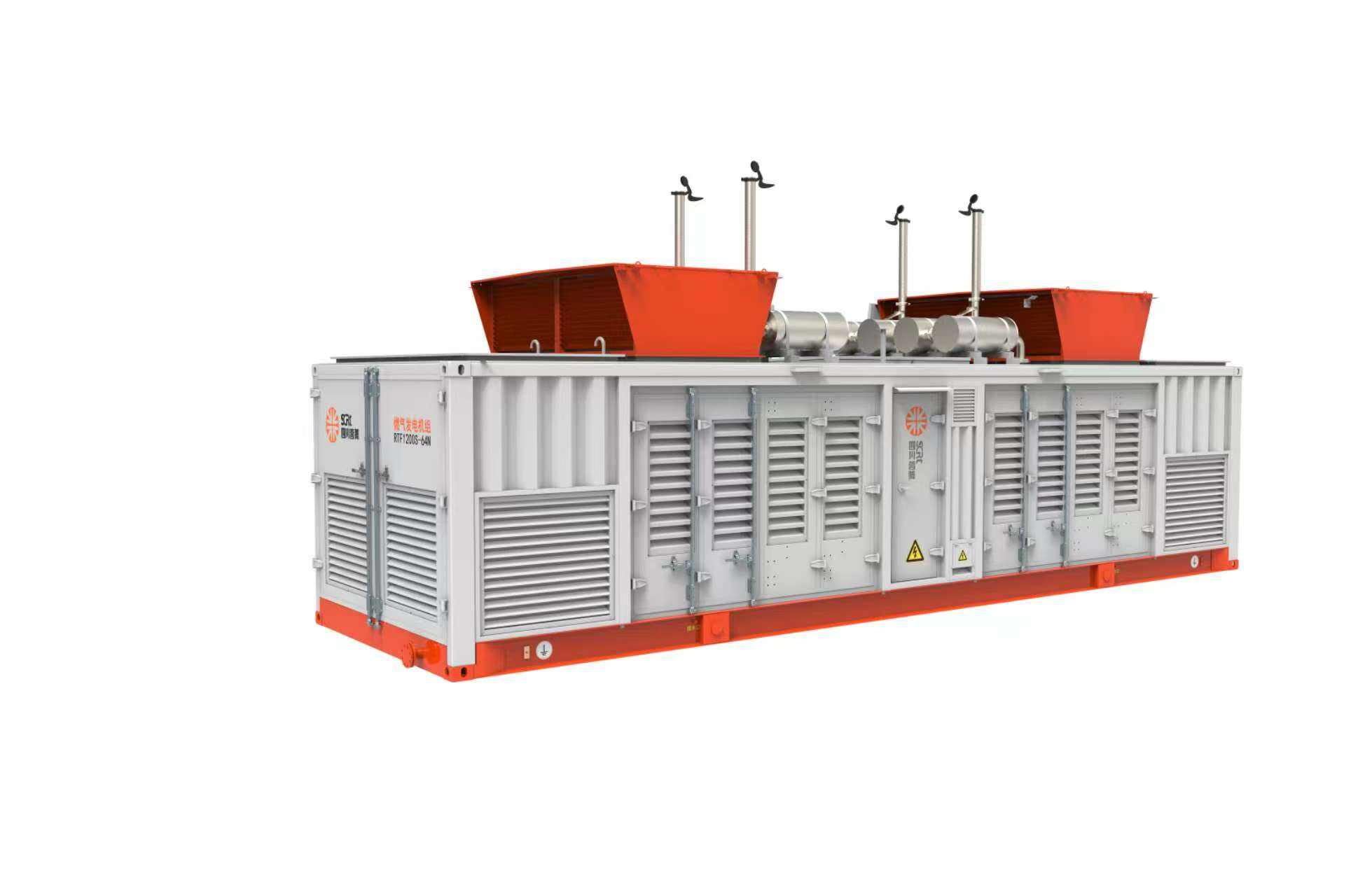
Lower Total Cost of Ownership: Upfront, Fuel, and Lifecycle Analysis
When it comes to saving money, gas generator sets offer real advantages in several important areas. The upfront cost tends to be around 15 to 25 percent cheaper than similar diesel models, particularly if there's already a natural gas system in place somewhere nearby. And the fuel savings keep coming too. Natural gas usually produces power at prices 30 to 50 cents less per kilowatt hour than diesel does throughout much of the country. Maintenance expenses drop as well because the cleaner burning process means less grime builds up inside the engine components. Service checks can last about 40 percent longer between required maintenance stops compared to what's needed for diesel machines. Sure, diesel engines do have slightly better thermal efficiency rates, clocking in at roughly 30 to 35 percent versus 25 to 30 percent for gas powered units. But when looking at everything over time, gas generators actually cut down on overall ownership costs by anywhere from eighteen thousand to thirty five thousand dollars during a ten year span. These savings happen mainly because parts don't wear out as fast, no need for those expensive fuel polishing systems, and there are simply fewer fluids needing regular replacement.
Fuel Price Stability and Predictable Operating Costs with Natural Gas
Switching to natural gas brings much needed financial stability that just isn't possible when relying on diesel. With fuel coming straight through pipelines, businesses aren't at the mercy of wild price swings we see in the petroleum market where diesel costs sometimes jump or drop more than 20% between months during supply issues. Companies can lock in fixed rates for their gas needs which makes planning years ahead so much easier. Plus there's no need to spend big bucks on extra equipment like those expensive storage tanks (anywhere from $15k to $50k) or complicated monitoring systems plus all the paperwork for spill containment regulations. When something goes wrong with the power grid, natural gas keeps flowing without interruption unlike diesel generators that require regular refueling trips. According to industry experts, facilities running on gas generators typically cut down their annual backup power costs somewhere around 22 to 38 percent thanks to these savings. And they also dodge problems with old fuel going bad or getting contaminated over time.
Enhanced Reliability and Resilience with Gas Generator Sets
When grid stability is compromised, gas generator sets provide unmatched operational continuity through inherent design advantages. Their resilience stems from simplified fuel infrastructure and validated real-world performance—ensuring critical systems remain online during extended outages.
Continuous Fuel Supply: No On-Site Storage or Refueling Logistics
When connected to utility pipelines, natural gas generators don't require those cumbersome on site fuel storage tanks or deal with all the headaches of managing refueling logistics. The whole setup actually cuts down on several risk factors that plague traditional systems. Think about it: no worries about fuel going bad over time, getting contaminated, or facing supply chain issues when disaster strikes. For businesses, this means saying goodbye to regular maintenance costs for storage tanks, expensive refueling contracts, and the nightmare of coordinating emergency deliveries. Urban areas typically see around 99.97% reliability from pipeline supplied natural gas, which allows these generators to run pretty much forever during extended power outages. Hospitals and data centers have found this particularly valuable since their backup power options often get cut off completely during major crises.
Proven Performance: Retail and Healthcare Case Studies During Grid Failures
Gas generators have proven their worth time and again when power grids fail. Take what happened in Texas during those brutal winter storms last year. Retail stores that had natural gas backup systems managed to keep their freezers running through the 72 hour blackout. This saved them about $740,000 every week in food that would otherwise spoil. The situation gets even more serious in healthcare settings. When Hurricane Ian hit Florida, local hospitals kept life support machines going for over 300 patients thanks to their connection to natural gas pipelines. Meanwhile, nearby hospitals relying on diesel generators couldn't operate because fuel trucks simply couldn't get through the flooded roads. These real world examples show why businesses need reliable backup power solutions. Gas generators just make sense when our electrical infrastructure is so vulnerable to weather events and other disruptions.
Environmental Compliance and Sustainability Advantages of Gas Generator Sets
Reduced Emissions Profile: NOx, PM, and CO2 vs. Diesel Generators
Natural gas generators run much cleaner than their diesel counterparts, cutting nitrogen oxide emissions by as much as 90% and reducing particulate matter by nearly 99%. When it comes to carbon dioxide, these units produce about 25% less than similar sized diesel generators, which means smaller impact on the environment overall. The reason for this improvement lies in how natural gas burns cleaner due to its chemical makeup. With more hydrogen relative to carbon content, there's just not as much soot produced during combustion. Companies that switch over to natural gas power solutions see real improvements in local air quality around their facilities. Plus, they position themselves better for meeting those increasingly important sustainability goals that many governments and organizations are pushing across industries worldwide.
Meeting Stringent Regulations: Tier 4 Final, CARB, and Local Air Quality Standards
Gas generators today meet strict environmental rules out of the box, including those EPA Tier 4 Final standards for stationary engines, all without needing complicated extra treatment systems. The fact that they produce fewer emissions makes it much easier to follow CARB requirements and other local air quality laws too. No need for expensive upgrades or running into operation limits because of regulation issues. As cities around the world get stricter about pollution control, especially in areas where people live and work, this built-in compliance gives operators peace of mind for years ahead. Many urban areas are already putting limits on diesel equipment in certain parts of town, so having generators that just work within these frameworks saves headaches down the road.
Simplified Operations and Longer Service Life of Gas Generator Sets
Gas generators really simplify how operations run day to day and tend to last much longer than their diesel counterparts. The cleaner burning nature means less carbon buildup inside the engine, so parts don't wear down as fast. Maintenance intervals drop around 30% overall which means mechanics spend less time changing oil, replacing spark plugs, or checking air filters. No need to store dangerous fuel onsite or deal with complicated refueling procedures either, saving both money and headaches for facility managers. Today's gas engines come equipped with stronger internal parts and better cooling mechanisms that let them run nonstop for over 20 thousand hours between big repairs in most commercial settings. All these factors together cut down what companies pay over time and keep critical systems powered even when grid failures happen for days at a stretch.
FAQs
Why are gas generators more cost-effective than diesel generators?
Gas generators are typically cheaper upfront and have lower fuel costs over time. They also require less maintenance and have longer service intervals due to cleaner fuel combustion.
How do gas generators offer fuel price stability?
Natural gas provides stability through fixed rates that protect businesses from volatile petroleum market swings experienced with diesel.
Are gas generators more reliable during power outages?
Yes, gas generators benefit from a continuous supply through pipelines, reducing risks associated with fuel storage and refueling logistics.
How do gas generators impact the environment compared to diesel?
Gas generators emit significantly fewer pollutants like NOx, PM, and CO2, contributing to better air quality and easier compliance with environmental regulations.