
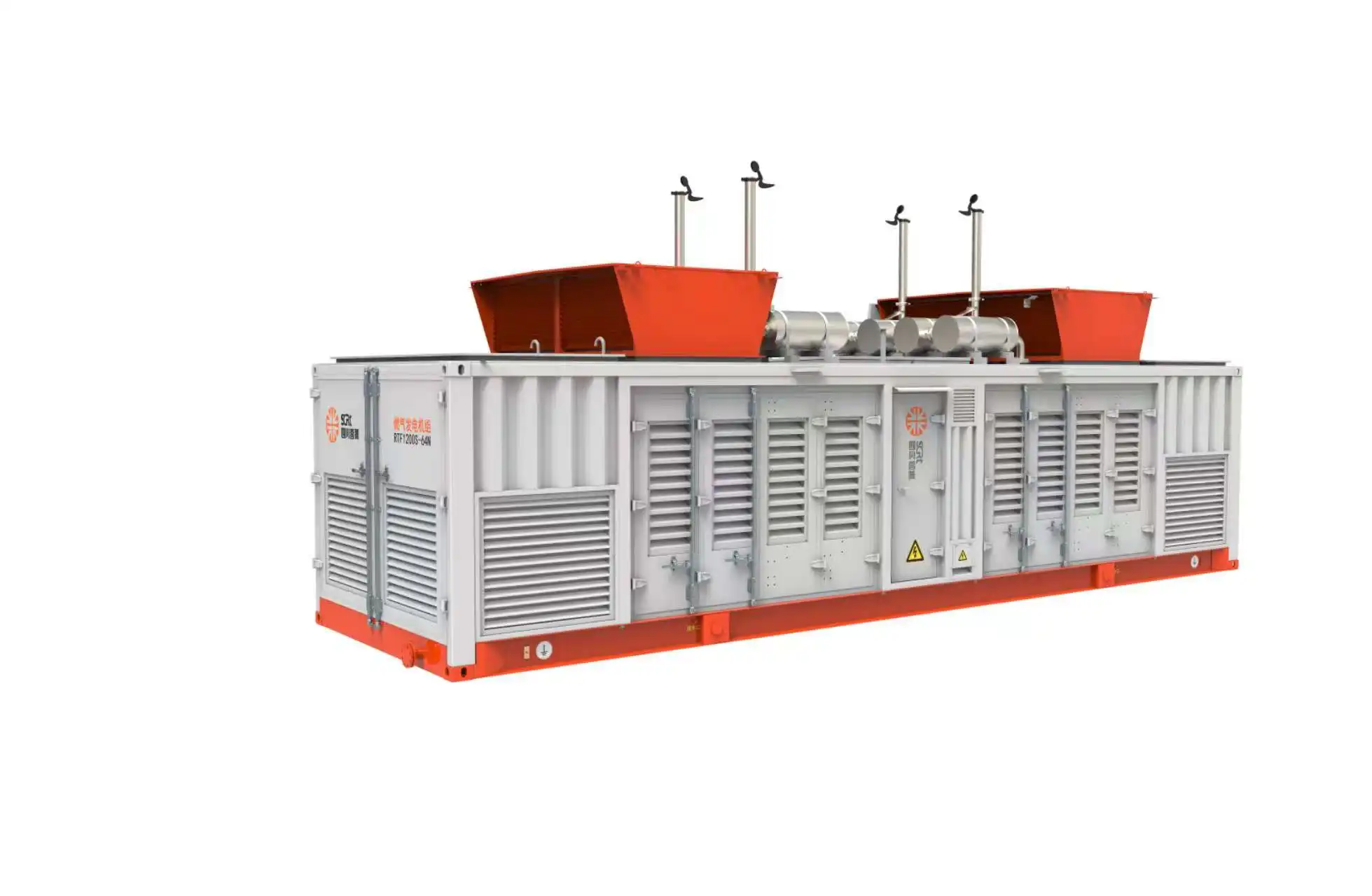
Understanding Gas Generator Set Efficiency: Key Metrics and Industry Benchmarks
Thermal Efficiency, Electrical Output Ratio, and LHV-Based Performance Standards
When we talk about thermal efficiency, we're basically measuring how good a gas generator is at turning fuel into electricity. Think of it as a percentage showing what portion of the fuel's energy actually makes it out as usable power versus what gets lost in the process. There's another measure called electrical output ratio that gives us an even clearer picture by taking away those extra losses from things like cooling systems, oil pumps, and control panels. That tells us what real power we can actually count on getting out of our equipment. Most industries stick with something called Lower Heating Value (LHV) when talking about efficiency numbers because it doesn't include all that wasted heat from water vapor in exhaust gases which regular systems just can't capture. The ISO 8528-5:2021 standard basically forces everyone to report their efficiency numbers this way so we can compare apples to apples between different manufacturers. These days, decent quality generators hit around 35 to 42% efficiency using LHV measurements, while the best ones manage to push past 45% thanks to better combustion control, smarter engineering, and parts that create less friction. To put this into perspective, boosting efficiency by just 1% could save roughly $3,500 per year on fuel costs for someone running a 500 kW unit nonstop.
Rongteng vs. Industry Average: How RT-GS Series Compares to 35–42% LHV Benchmark
Third party tests have shown that the Rongteng RT-GS series actually reaches an average LHV efficiency of about 40.5%. That puts it right above what most people see in the industry, which typically ranges between 35% and 42%, and gets pretty close to what's considered the best currently available on the market. When running at around 75% load, the specific model RT-GS-300K hits 41.2% efficiency. How? Well, there are three main reasons behind this improvement. First, they've got this smart fuel injection system that adjusts itself constantly based on real time data. Second, they redesigned parts of the drivetrain to cut down on mechanical friction. And third, their air-fuel mixture is so precisely controlled that it really cuts down on those pesky incomplete combustion issues we all hate. The end result? About 8% less fuel needed for each kilowatt hour produced when compared to standard units operating at around 37% LHV efficiency. Let's put some real money on the table here. A 500 kW installation of these RT-GS units would save approximately $180k over ten years compared to regular efficiency models. Plus, it avoids emitting around 270 tons of carbon dioxide during that same period. We've tested these things extensively throughout Guangdong Province too. They maintain solid performance from 80% up to full 100% load capacity. Even after clocking in 8,000 runtime hours, efficiency only drops by less than half a percent, which speaks volumes about their long term reliability without any major compromises.
Real-World Gas Generator Set Performance: Field Data from Industrial Deployments
12-Month Load-Profile Analysis Across Sichuan and Guangdong Facilities
Businesses throughout Sichuan and Guangdong depend on gas generator sets when they need reliable backup power or continuous operation during outages. Researchers conducted a year-long field test looking at how these generators perform under actual conditions, measuring things like efficiency levels, how quickly they respond to changing loads, and their ability to handle different environmental challenges. Up in the mountainous regions of Sichuan where temperatures can swing dramatically between minus five degrees Celsius in winter and thirty-two degrees in summer, the generators kept running smoothly thanks to special air intake systems designed for high altitudes and good heat management solutions. Down along the coast in Guangdong, facilities saw no problems operating even when humidity reached eighty-five percent. The equipment didn't lose power output because of damp air getting into components or issues with controls malfunctioning from condensation buildup.
The load patterns tell us a lot about what drives demand in different areas. Take Sichuan for example where winter evenings see about 30 percent more power needed because of heating demands. Meanwhile down in Guangdong, there are these really noticeable spikes in the afternoon when everyone turns on their air conditioning during hot summers. What's interesting is how well generators handle lower loads too. Both regions kept running efficiently within about 5% of their maximum capacity even when facing challenges like voltage drops during monsoons or starting up in freezing temperatures. Regular maintenance makes all the difference here. Facilities that stuck strictly to manufacturer service schedules had around 18% fewer problems with output fluctuations throughout the year. All this shows that today's gas generators can actually perform reliably under tough weather conditions, not just in controlled testing environments but right across China's toughest industrial settings where reliability matters most.
Engineering Advantages That Boost Gas Generator Set Efficiency
AI-Powered Smart Load Distribution in the RT-GS Series
The RT-GS series comes with built-in smart load management that adjusts power distribution among circuits according to what's needed right now. This is different from older fixed load sharing methods because it actually watches things like voltage levels, current fluctuations, and how stable the loads are. The system then gives priority to essential equipment so there won't be power dips when demand suddenly jumps, all while keeping voltage within a tight ±0.5% range. When demand drops off, the system slows down engines and cuts back on fuel without making them slow to start again later. This approach can reduce idle time by around 20% or so, which means real money saved on fuel costs for places where electricity needs fluctuate throughout the day.
Predictive Maintenance Integration Reducing Downtime by 27%
RT GS units come equipped with IoT sensors that monitor things like exhaust gas temperatures, vibrations in the crankcase, and particles in the lubricating oil. All this information gets sent to a cloud platform that's been learning from real world operations for thousands of hours. The system catches problems long before they actually cause trouble or set off alarm bells. Think about issues like dirty fuel injectors or tiny pits forming on bearings - these get spotted early on. Facilities that have put this predictive approach into action report around 27 percent fewer unexpected shutdowns than places still sticking to regular maintenance schedules based just on time intervals. And there's another benefit too: when technicians do need to step in, components tend to last about 35% longer overall. Plus fixing things takes almost half the time it used to. What was once seen as just another expense is now becoming something much more valuable for plant operators looking to keep their equipment running smoothly day after day.
Model-Specific Factors Affecting Gas Generator Set Efficiency
RT-GS-200K vs. RT-GS-600K: Fuel Type, Ambient Conditions, and Maintenance Impact
Efficiency outcomes differ meaningfully between RT-GS models—not due to inherent design flaws, but because each is engineered for distinct operational contexts. Three factors dominate these differences:
When it comes to fuel types, natural gas generally offers better and more consistent lower heating value (LHV) efficiency throughout all RT-GS models. This is mainly because of its steady methane content over 90% plus minimal impurities. Biogas works too but brings some challenges. The methane levels can swing between 50 to 70%, along with issues from siloxanes and hydrogen sulfide (H2S). These factors mean extra cleaning steps and adjustments to combustion settings are needed. As a result, biogas usually runs about 3 to 6% less efficiently compared to natural gas. The difference becomes even more noticeable in bigger systems such as the RT-GS-600K model where how air flows through the system makes these variations matter more.
When looking at ambient conditions, the RT-GS-600K suffers from performance issues due to its high power density. Efficiency plummets by around 8 percent when temps climb past 40 degrees Celsius or humidity levels go over 80%. On the flip side, the smaller RT-GS-200K handles these same environmental challenges much better thanks to its tighter design and improved air circulation system, maintaining over 95% of its stated efficiency even in those tough conditions. Both units come with built-in altitude adjustments from the factory, though technicians will still need to perform manual calibrations once installations reach elevations above 1500 meters where atmospheric pressure starts affecting performance metrics significantly.
How often should we service these systems? Most experts recommend quarterly checks to keep everything running at top performance throughout the entire RT-GS series. If someone waits longer than six months between services, they'll probably start seeing some problems build up over time. We're talking about around 3 to 5 percent less efficiency every year from things like carbon deposits forming, sensors getting out of whack, and those rubber seals starting to break down. The bigger models like the RT-GS-600K handle this better because they have more oil capacity and come with two filters instead of one. Smaller units such as the 200K version make life easier when it comes to regular maintenance since their modular design lets technicians swap parts quickly without tearing everything apart. Getting these details right means all models stay within their expected efficiency ranges most of the time, which saves money in the long run.
FAQ
What is thermal efficiency in gas generators?
Thermal efficiency measures how effectively a gas generator converts fuel into electricity, showing the percentage of a fuel's energy that is transformed into usable power versus what is lost.
Why is the Rongteng RT-GS series considered efficient?
The RT-GS series achieves an average LHV efficiency of 40.5%, which is higher than the industry average. This efficiency is due to advanced fuel injection systems, reduced mechanical friction, and precise air-fuel mixture control.
How does predictive maintenance help gas generators?
Predictive maintenance uses IoT sensors to monitor various parameters and identify potential issues in gas generators early, reducing unexpected downtime and prolonging component life.
Why should different RT-GS models be serviced quarterly?
Quarterly servicing is recommended to maintain peak performance by preventing efficiency loss from build-up like carbon deposits and worn out seals, ensuring the generator operates within optimal efficiency ranges.