
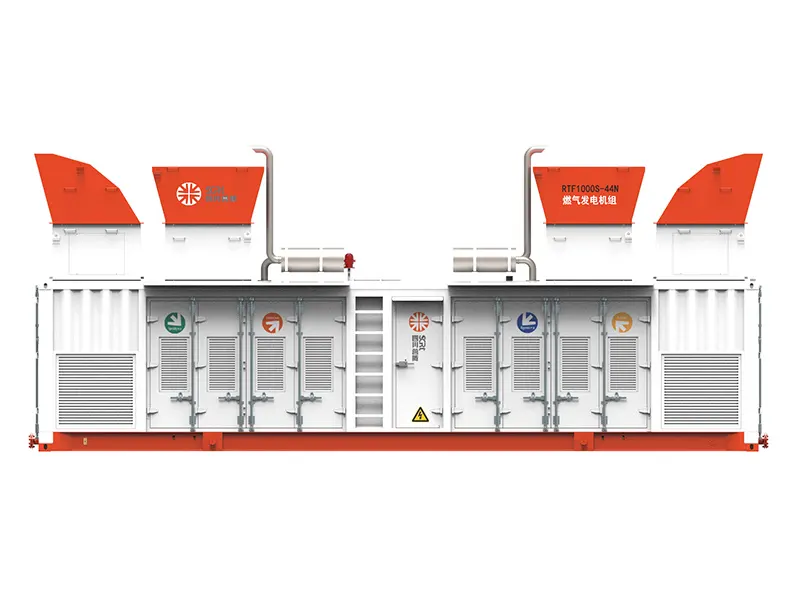
Environmental Impact: Carbon Footprint and Sustainability of Gas Generator Sets
Greenhouse Gas Emissions: Natural Gas vs Biogas in Real-World Operation
Natural gas generators produce roughly half the CO₂ compared to diesel ones for each kilowatt hour they generate, which makes them a practical option while transitioning away from higher emitting fuels. But biogas systems actually perform better environmentally when put into operation. Landfill gas and biogas from digesters work differently because they capture methane that would normally just escape as organic material breaks down. When these gases are burned instead of letting them vent, lifecycle studies indicate we can cut overall greenhouse gas emissions by around 80%. Natural gas comes from fossil fuels, whereas burning biogas releases carbon dioxide that plants recently pulled out of the air through photosynthesis. This creates something close to a complete carbon cycle. Hospitals needing constant power backup or data centers running nonstop operations find this difference between fuel types really matters if they want to hit those tough sustainability goals set by scientists today.
Is Biogas Truly Carbon-Neutral? Lifecycle Analysis of Feedstock, Processing, and Exhaust
The label "carbon-neutral" applies only under strict lifecycle management. Net emissions hinge on three phases:
- Feedstock Collection: Methane leakage from landfills or anaerobic digesters must remain below 3% to preserve climate benefits
- Processing Energy: Compression and purification powered by renewable electricity maintain low upstream footprints
- Exhaust Emissions: Modern lean-burn engines reduce NO– by 90% compared to legacy models
Methane leaks still pose the biggest problem for emissions control. Just one ton escaping into the air packs the same punch as 28 tons of CO2 would over a century. But when companies actually follow good practices like regular leak checks, efficient scrubbers, and power conditioning using renewables, biogas generators can cut emissions by around 95% compared to running on coal or diesel fuel. These systems go beyond being carbon neutral in practice. They actively take carbon out of the equation because they replace dirtier energy sources and stop methane from getting released into our atmosphere in the first place.
Technical Performance and Engine Compatibility of Gas Generator Sets
Fuel Specifications and Engine Modifications for Biogas vs Natural Gas
When it comes to engines, biogas and natural gas are really quite different beasts under the hood, which means engines need to be set up differently for each fuel type. Let's look at what makes them tick chemically first. Natural gas is mostly methane stuff, usually over 90% pure with very little carbon dioxide or moisture mixed in. Biogas tells a different story though. The methane content here drops down to around 50 to 70%, while carbon dioxide jumps up to about 30 to 45%. And there's often these nasty bits too - hydrogen sulfide that eats away at materials and water vapor hanging around as well. All these chemical differences matter a lot when engines run on them. They impact how stable the combustion process stays, change how fast flames spread through the engine, and even determine what kinds of materials can withstand the harsh conditions inside. Because of all this, engines running on either fuel need specific tweaks and adjustments to work properly.
- Upgraded ignition systems to accommodate lower Wobbe Index (energy content per unit volume)
- Corrosion-resistant alloys and coatings for wet, sulfur-laden gas streams
- Adaptive air-fuel ratio controllers to manage variable composition
Without conditioning and retrofits, standard natural gas engines suffer 15–20% efficiency losses on untreated biogas, per the 2022 Fuel Standards Update. Optimal performance requires gas scrubbing (to remove H S and siloxanes), drying, and compression—paired with purpose-built engine kits.
| Fuel Property | Natural Gas | Raw Biogas | Engine Impact |
|---|---|---|---|
| Methane Content | 90–95% | 50–70% | Power derating up to 30% |
| CO Concentration | <2% | 30–45% | Reduced flame speed |
| Moisture Levels | Low | High | Corrosion and knock risk |
Power Output, Efficiency, and Reliability in Continuous Operation
Natural gas generator sets consistently deliver 40–45% electrical efficiency in continuous operation. Biogas units average 32–38%, reflecting combustion variability and energy losses during conditioning. Key reliability differentiators include:
- Fuel pressure stability: Natural gas pipelines provide consistent supply; biogas flow fluctuates with feedstock digestion rates
- Automatic Transfer Switch (ATS) responsiveness during dual-fuel transitions
- Maintenance frequency: Biogas systems require ~30% more frequent servicing due to contaminants and moisture exposure
Per the 2023 Power Generation Efficiency Report, natural gas units achieve €95% uptime in 24/7 industrial settings, versus 85–90% for biogas systems. Altitude and ambient temperature also affect biogas generators more acutely—power losses exceed 4% per 300 m elevation gain, due to reduced oxygen availability and lower methane density.
Economic Viability: Total Cost of Ownership for Gas Generator Sets
Fuel Cost, LCOE, and Incentives for Biogas vs Natural Gas Systems
When looking at total cost of ownership for these systems, folks often forget that it's not just about what they pay initially. Fuel efficiency, the levelized cost of energy, and whether incentives apply all play major roles too. Natural gas setups generally have cheaper running costs. Take a standard 100 kW unit running at around 75% capacity – it typically burns between 900 to 1,200 cubic feet of gas every hour. At today's US prices, this works out to roughly $0.08 to $0.15 per kilowatt hour. But don't get too excited yet. Putting in a natural gas system can set businesses back anywhere from $5k to over $25k. Most of that money goes toward getting the gas lines properly installed, setting up pressure regulators, and making sure everything connects correctly with existing electrical systems.
Biogas systems invert this trade-off. Feedstock is often free or low-cost—but purification, compression, and engine conditioning raise operating expenses to $0.12–$0.20/kWh. Still, lifecycle economics improve significantly through policy support:
- Renewable Identification Number (RIN) credits under the EPA's Renewable Fuel Standard
- The federal Investment Tax Credit (ITC), offering 26–30% of qualified project costs for biogas-based generation
- Avoided carbon compliance costs in regulated markets
| Cost Factor | Natural Gas | Biogas |
|---|---|---|
| Installation Cost | $5,000–$25,000+ | $10,000–$30,000+ |
| Avg. Fuel Cost/kWh | $0.08–$0.15 | $0.12–$0.20 (after processing) |
| Key Incentives | Grid reliability rebates | RFS credits, ITC (26–30%) |
For facilities with direct access to landfill gas or on-site anaerobic digestion, TCO breakeven typically occurs within 3–7 years post-incentives—making feedstock proximity the decisive economic variable.
Application Fit: Selecting the Right Gas Generator Set for Your Project
On-Site Biogas Opportunities (Landfills, AD Plants) vs Grid-Natural Gas Infrastructure
Biogas generators really shine at places where organic waste is already being handled, like city landfills, wastewater treatment centers, and farm digesters. What these locations do is turn methane that would otherwise escape into useful local power instead. This approach stops methane from just burning off, cuts down reliance on pipelines, and protects operations when natural gas prices jump around. For facilities that don't have their own biogas setup, natural gas units connected to the grid work well too since they can be installed quickly and come with steady fuel supply. Location plays a big role here too. Studies looking at energy setups show that sites located about 5 miles or less from a biogas source typically save around 30 percent on operating expenses compared to those relying solely on the grid.
Cogeneration Readiness and Interchangeability in Hybrid Energy Systems
Gas generators these days are getting pretty good at working with mixed energy sources. The newer flexible fuel models come equipped with smart controls and standard connections that let them flip back and forth between biogas and regular natural gas without any loss of power or need for shutdowns. This kind of flexibility makes a real difference for those combined heat and power setups. When everything works right, some systems actually reach around 80% efficiency by capturing and using the wasted heat. What's really cool about dual fuel options is how they let operators prioritize whichever fuel makes sense at the moment. They can run on renewable biogas whenever it's flowing in, then automatically switch over to natural gas when there's maintenance work happening or when biogas supplies dip. These kinds of generators fit right into microgrid systems too, and they work well alongside solar panels or battery banks. The whole package helps cut down on carbon emissions while still keeping critical operations running smoothly without interruption.
FAQ Section
What is the main environmental benefit of using biogas over natural gas?
The main environmental benefit of using biogas over natural gas is its ability to capture and utilize methane, reducing greenhouse gas emissions by around 80% compared to conventional fossil fuels.
Can natural gas engines run efficiently on biogas?
While standard natural gas engines can run on biogas, they require significant modifications, including upgraded ignition systems and corrosion-resistant materials, to achieve optimal performance.
What are the cost factors that impact the total cost of ownership for biogas systems?
The total cost of ownership for biogas systems is influenced by feedstock costs, purification expenses, and engine conditioning, although incentives like RIN credits and ITC can significantly improve lifecycle economics.