
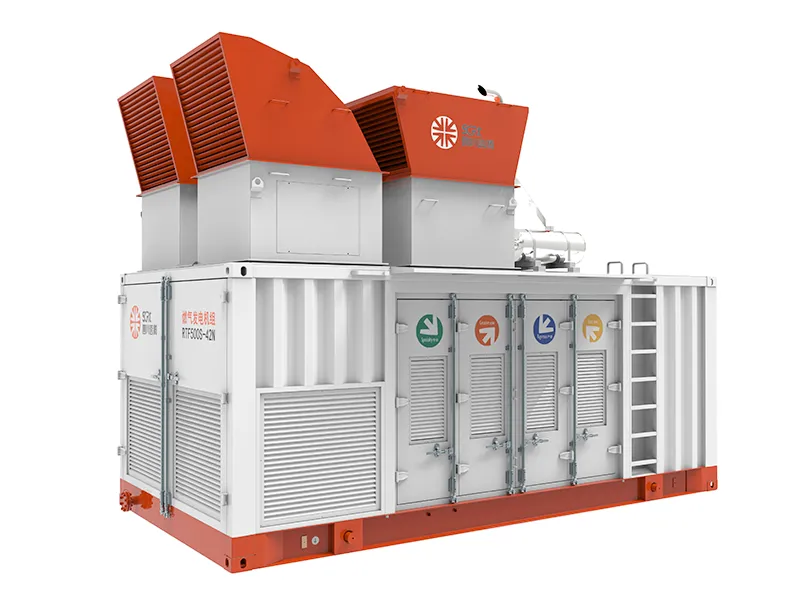
Lower Levelized Cost of Energy with Gas Generator Sets
Natural Gas vs. Grid and Diesel: LCOE Comparison for Industrial Users
Facilities across industry sectors typically see their levelized cost of energy drop between 15 and 30 percent when they switch to natural gas generator sets instead of relying on diesel generators or drawing power from the grid. There are basically three reasons behind this cost advantage. First, natural gas just costs way less at the pump compared to diesel fuel. Pipeline delivered gas comes in at around 30 to 50 percent cheaper per unit of energy, which means real money saved right off the bat. Plus, modern gas generators manage to turn about 40 to 45 percent of the fuel energy into actual electricity. That beats out diesel generators which only manage 35 to 40 percent efficiency thanks to cleaner burning and fewer losses along the way. Another big plus? On site generation completely avoids those ridiculous peak demand charges from utility companies that sometimes hit over double what regular rates would be during times of high demand. Looking at all the numbers including initial investment, ongoing fuel expenses, and maintenance requirements, gas generator systems tend to come out ahead economically for businesses running continuously. Take one packaging facility in the Midwest as proof. After making the switch from diesel to natural gas units connected directly to the pipeline, they cut their yearly energy bill down by 22 percent simply because they benefited from more stable pricing structures and better overall conversion efficiency.
Fuel Price Stability and Hedging Benefits of Pipeline Natural Gas
Natural gas coming through pipelines tends to be much more stable in price compared to what happens with diesel and grid electricity. Industrial companies aren't at the mercy of those wild price swings we see in other fuels. Most businesses can lock in fixed rate contracts for natural gas anywhere between three to five years, which makes planning budgets way easier for the long haul. Looking back at past market behavior, natural gas prices typically fluctuate about half as much as diesel does. Diesel stays closely tied to what's happening in global oil markets and gets hit hard whenever there are political issues somewhere in the world. Manufacturers who run their facilities on gas generators tell us they can predict their yearly energy costs with around 90% accuracy these days. That's pretty impressive when compared to the roughly 60 to 70% accuracy level seen in places still dependent on diesel. And here's another advantage worth mentioning: many newer generation systems have this dual fuel feature built right in. When there are those rare times when pipeline supplies get interrupted, these units automatically switch over to propane instead. No need to spend extra money on new infrastructure just to keep operations running smoothly during those short periods.
Higher Energy Efficiency of Modern Gas Generator Sets
Thermal Efficiency Gains: Sub-7,500 Btu/kWh in Lean-Burn Units
Lean burn gas generators today can hit thermal efficiencies under 7,500 Btu per kWh, which represents about a 15 to maybe even 20 percent boost compared to older models. What makes this possible? Better mixing of air and fuel, smarter controls during combustion, plus ways to keep heat loss to a minimum. These newer systems actually manage to turn around 40% to nearly 45% of the fuel's energy straight into electricity. That beats what most diesel generators manage by roughly 5 to 8 points on the efficiency scale. And this isn't just a small step forward either. When we look at real world applications, these gains mean significantly less fuel burned for each kilowatt hour produced. For industries running operations 24/7, this means cutting down on both the money spent on fuel and the amount of carbon emissions generated throughout their operations.
Superior Part-Load Performance and Load-Following Flexibility
Traditional power generation methods tend to lose efficiency when running at less than full capacity, but modern gas generators keep performing well even as demand fluctuates. These units come equipped with smart control systems that can tweak output in milliseconds while still keeping efficiency above 8,000 Btu per kWh at around 30 to 50 percent load levels. That makes them particularly useful for manufacturing plants where production schedules change frequently throughout the day. The ability to respond quickly means there's less wasted energy from overproduction, plus they work really well alongside Combined Heat and Power systems. When companies capture and reuse the waste heat from these generators, overall efficiency jumps up to between 80 and 90 percent. Plus, automated ramp rate controls help maintain stable connections to the electrical grid during those times when production ramps up or down suddenly, or when responding to utility company requests for reduced consumption. All this adds up to reliable power without burning through extra fuel.
Energy Cost Savings Through Combined Heat and Power (CHP)
Combined Heat and Power or CHP systems are changing how industries think about energy costs. These systems produce electricity while also grabbing hold of the heat that comes out of gas generators instead of letting it go to waste. Traditional power plants throw away around 40 to 60 percent of their fuel energy as heat, but CHP takes that leftover warmth and puts it to work for important processes. This approach makes better use of resources across the board, helping companies save money while reducing waste.
Waste Heat Recovery for Industrial Processes: 75—90% Total System Efficiency
Today's combined heat and power systems can reach impressive efficiency levels of around 75 to 90 percent thanks to their integrated approach to capturing waste heat. The really hot exhaust gases at temperatures between 650 and 900 degrees Fahrenheit get put to work driving steam boilers or absorption chillers. For the moderately heated exhaust in the 200 to 400 degree range, it often gets used to preheat either combustion air or process water. And those plate heat exchangers? They're pretty good at transferring thermal energy too, with effectiveness rates above 85 percent. Compare this to traditional facilities connected to the grid which usually have separate boilers operating at 75 to 85 percent efficiency and chillers with cooling coefficients of performance ranging from 3 to 4. These setups typically manage only about 45 to 55 percent overall efficiency when combining both thermal and electrical outputs. When everything works together as one system instead of multiple separate components, combined heat and power simply cuts out those redundant steps where energy gets lost during conversion processes.
Real-World CHP Applications: Textile Drying, Food Processing, and Chemical Preheating
Industries with consistent thermal demands realize rapid returns on CHP investment:
- Textile plants use recovered heat for dye fixation at 250°F, cutting drying energy use by up to 70%;
- Food processors deploy CHP for pasteurization (160°F) and dehydration (190°F), reducing operational energy costs by 30—40%;
- Chemical facilities preheat reactants using exhaust gases, slashing boiler fuel consumption and improving process consistency.
These applications demonstrate how gas generator sets—when paired with thermal recovery—convert waste heat into measurable cost reductions, emissions savings, and enhanced energy resilience.
Operational Savings from On-Site Gas Generator Sets
Gas generators installed at the facility itself offer all sorts of savings that go way beyond just cutting down on basic energy expenses. The cost of natural gas usually sits around 30 to 50 percent lower than what companies pay for electricity from the grid. Plus there are no transmission fees or those expensive peak demand charges that can really blow up an electric bill by as much as 40 to 60 percent. When it comes to maintenance, cleaner burning means less soot builds up inside the equipment and the oil doesn't degrade as fast. This actually extends how long between services are needed by roughly 20 to 30 percent, which naturally cuts down on both labor time and replacement parts. Another big plus is the ability to get power running again super quick after an outage - under ten seconds in most cases - so production lines don't sit idle for long. And since we're drawing from existing pipelines instead of storing fuel onsite, businesses skip dealing with fluctuating fuel prices, costly inventory storage, and all the paperwork involved with safety regulations. Most facilities find that these combined benefits result in a return on investment somewhere between three and five years when looking at both combined heat and power systems as well as standalone generation setups.
FAQ Section
What is the levelized cost of energy (LCOE)?
LCOE is a measure of the average cost of electricity over the lifetime of an energy-generating asset, considering initial investment, ongoing fuel costs, and maintenance expenses.
How do gas generator sets provide cost savings?
Gas generator sets reduce energy costs by offering lower fuel prices compared to diesel and the grid, higher efficiency rates, and elimination of peak demand charges associated with grid power.
What are the benefits of using pipeline natural gas?
Pipeline natural gas offers price stability, the ability to lock in fixed rate contracts, and is less susceptible to global market fluctuations compared to diesel and grid electricity.
What is Combined Heat and Power (CHP)?
CHP systems generate electricity and capture the waste heat for use in industrial processes, dramatically increasing overall energy efficiency and reducing operational costs.
How do gas generators ensure operational savings?
Gas generators ensure savings by providing lower fuel costs, reducing transmission fees and peak demand charges, extending maintenance intervals, and offering quick restoration of power after outages.