
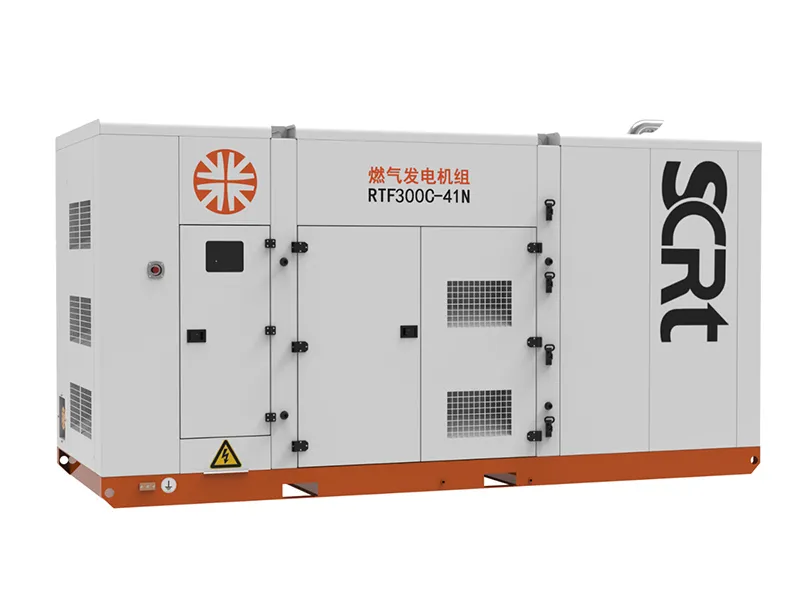
Gas Generator Set : Robust Engineering for Uninterrupted Industrial Operation
Prime Power Ratings and Load-Sustaining Design for 24/7 Gas Generator Set Duty
Industrial facilities require power solutions engineered for continuous heavy-duty operation. Prime-rated gas generator sets deliver sustained performance at 100% load capacity for unlimited runtime unlike standby units limited to intermittent use. This capability stems from reinforced structural designs featuring:
- Cast-iron cylinder blocks with oversized cooling jackets preventing thermal stress during extended runs
- Precision-balanced rotating assemblies minimizing vibration-induced wear
- Multi-stage air filtration systems maintaining combustion efficiency despite particulate-heavy industrial environments
These design principles ensure consistent power output for manufacturing processes where even minor voltage fluctuations can disrupt production lines. Facilities using prime-rated generators report 98.5% fewer unplanned outages compared to standard models when operating beyond 500 hours monthly, per peer-reviewed energy reliability studies.
Environmental Resilience: Stable Performance in Sichuan’s High-Humidity and Variable-Altitude Conditions
Operational reliability in demanding climates requires specialized engineering adaptations. Gas generator sets deployed across Sichuan’s 500–4,000 meter altitude range incorporate:
- Intelligent derating algorithms automatically adjusting fuel-air ratios to maintain output at oxygen-thin elevations
- Condensation-resistant windings with hydrophobic varnish coatings preventing moisture ingress in 85%+ humidity
- Corrosion-inhibiting enclosures featuring zinc-nickel alloy chassis and marine-grade electrical components
This environmental hardening enables stable performance where conventional units experience up to 22% power loss at 3,000 meters, according to high-altitude performance benchmarks. Thermal management systems prevent overheating in Sichuan’s subtropical summers through variable-speed fans and dual-stage intercooling.
Fuel Flexibility and Operational Autonomy
Natural Gas Generator Set Efficiency: Integrated Pressure Regulation and Low-Pressure Fuel Tolerance
Modern gas generators now come equipped with built-in pressure control systems that keep combustion running smoothly no matter what kind of fuel supply issues might pop up. These units can still deliver steady power even when inlet pressure drops to around 3.5 kPa, which makes them ideal for those tough spots out in remote industrial areas where gas lines are often unreliable. The system works by tweaking the fuel air mix using computer controlled valves, resulting in about 42% better heat conversion than older models while also slashing emissions by roughly 15%. What really stands out though is how they handle low pressure situations without needing extra equipment like booster compressors. This alone saves around $18,000 on setup costs per machine and means fewer headaches when dealing with the inevitable pressure changes that happen all the time in manufacturing zones.
On-Site Fuel Buffering Strategies for Continuous Gas Generator Set Uptime
Redundant fuel buffering systems give around 72 hours of independent operation when there are supply problems for critical operations. These systems work with multiple layers of storage like big gas holders and cryogenic tanks that kick in automatically if the main fuel source fails. Field tests lasting 12 months at mountainous mining locations showed these systems cut power outage risks down by almost 90% in areas where fuel delivery isn't always reliable. When planning how much fuel to store, engineers look at how long different loads run and match that with actual usage patterns. This helps companies get good value from their backup systems without spending too much on unnecessary equipment.
Intelligent Control and Rapid Emergency Power Response
Sub-5-Second Automatic Transfer Time – Validated Against GB/T 2820.6-2012 for Critical Gas Generator Set Applications
When there's a power outage, critical infrastructure just can't afford to wait around for electricity to come back on. That's where industrial grade gas generators step in with their built in ATS systems. These automatic transfer switches actually switch over power supply in less than five seconds most of the time. The specs meet those Chinese standards they have too, GB/T 2820.6-2012 something or other about engines driving generators. Either way, what matters is that these machines keep things running smoothly even when the main grid goes dark, which is absolutely essential for hospitals, data centers and other places where downtime really costs money.
- Hospital life-support systems, avoiding operational disruption
- Data center server integrity, preventing data corruption during grid failure
- Manufacturing process continuity, minimizing scrap material losses
Standards require thorough checks on how generators handle voltage and frequency when loads change suddenly. When a system meets GB/T 2820.6-2012 requirements, it means the control logic actually works to make sure there are no power gaps during those critical switches between grid power and generator operation. Take semiconductor manufacturing facilities or wastewater treatment centers for instance these places simply cannot afford even brief interruptions. The ability to respond quickly isn't just about having backup power anymore it becomes part of day-to-day operations rather than something that only matters during emergencies.
Regulatory Compliance and Sustainable Industrial Deployment
Gas generators used in industrial settings face a tough balancing act between meeting strict regulations and pushing forward with greener practices. For instance, manufacturers operating in China need to comply with Phase V emission rules for non-road equipment under GB 20891-2014 standards. Failure to meet these requirements can lead to serious financial consequences, with potential fines reaching as high as seven hundred forty thousand dollars each year. Going beyond just following the law, many companies are now implementing technologies that reduce nitrogen oxide emissions and minimize methane leaks. These improvements typically cut down on greenhouse gases by around 18 to 22 percent compared to older models. Aligning with worldwide efforts toward carbon neutrality helps businesses protect their investments for years ahead, especially since most modern systems still manage to stay online about 99.8 percent of the time during essential operations. When companies successfully combine regulatory compliance with genuine environmental concerns, they turn what was once seen as an expense into something valuable that gives them an edge over competitors who haven't made similar adjustments.
FAQ
What is a prime-rated gas generator?
Prime-rated gas generators are designed for continuous operation at full load capacity, unlike standby units which are intended for intermittent use.
How do gas generator sets handle high-altitude environments?
Gas generator sets use intelligent derating algorithms to adjust fuel-air ratios for stable output at high altitudes.
What are the benefits of on-site fuel buffering systems?
On-site fuel buffering systems ensure gas generators can operate independently for an extended period, reducing power outage risks even in remote areas.
What is GB/T 2820.6-2012?
GB/T 2820.6-2012 is a standard related to the automatic transfer time of gas generator sets in critical applications, ensuring minimal power gaps during transitions.