
Understanding Continuous-Duty Operation and Power Requirements
Defining continuous-duty operation and its implications for gas generator sets
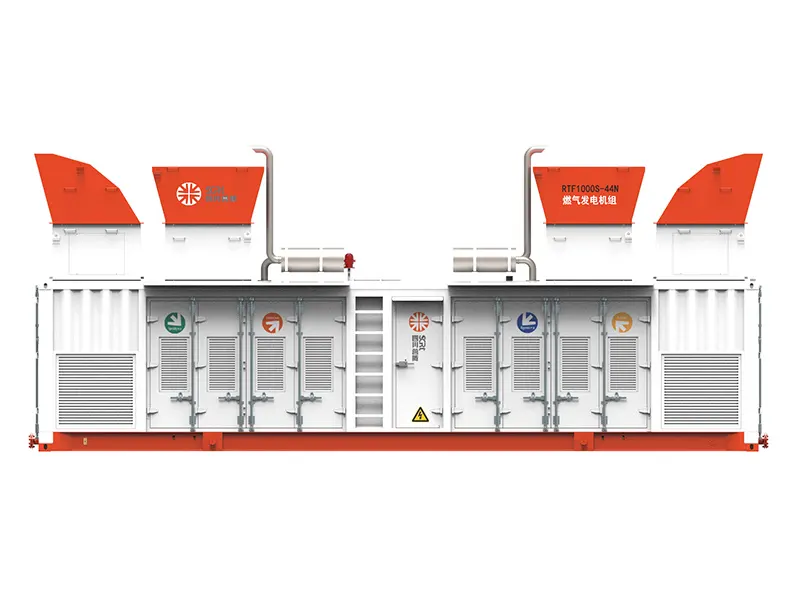
When talking about continuous duty operation in power generation, we're referring to situations where gas generators run flat out at their full rated capacity all day every day, non-stop. These aren't your regular backup or prime power setups since there's absolutely zero room for overloading them. They become the main electricity source that just keeps going regardless of what happens. Facilities really need this kind of reliability for places such as wastewater treatment plants, massive data centers, or factories running around the clock, because even a short blackout can cause serious problems. Building these systems requires serious engineering work. Parts have to last forever basically, and maintenance isn't something that can be skipped or rushed. If anything goes wrong with these generators, whole operations come grinding to a halt, which nobody wants to see happen.
Determining required generator size based on critical load profiles and energy needs
Getting the right size starts by figuring out what needs constant power and noting down those voltage numbers, amperage readings, and power specs measured in kilowatts or kilovolt amps. One thing folks often overlook is that initial power spike when equipment kicks on. Motors and heating systems can pull anywhere from three to six times their normal operating current during startup. Skip accounting for this surge and we end up with undersized systems that either won't start at all or cause problems once they do. That's why doing a proper energy audit matters so much. When we actually track how things are used day to day instead of just guessing, we get much better calculations about what our loads really need. This helps prevent situations where we spend extra money on oversized equipment or worse yet, deal with systems that simply don't work properly because they're too small.
Generator sizing (kW and kVA ratings) for sustained output in industrial applications
When looking at equipment for ongoing industrial operations, it's important to consider both kilowatts (kW) and kilovolt-amperes (kVA). The kW rating shows how much actual work gets done, whereas kVA tells us about apparent power. These two measurements are connected through something called the power factor (PF), which follows this basic equation kW equals kVA multiplied by PF. In most factories and plants, typical power factors range somewhere around 0.8 to 0.9. Take a 1000 kVA generator running at 0.8 PF for example it would actually produce just 800 kW worth of usable energy. For generators to keep performing reliably over time, they need to handle all the kW requirements based on site conditions and PF ratings, stay within safe kVA boundaries, and leave enough extra capacity room for when business grows or new equipment comes online.
Case Study: Load profile analysis in a 24/7 manufacturing facility
A meat processing facility running around the clock faced all sorts of ups and downs in power needs even though production never stopped. When they looked at their energy usage patterns, they found a steady minimum draw of about 950 kilowatts, but saw spikes hitting 1250 kW whenever those big packaging lines kicked on. Rather than going for one huge generator that would sit idle most of the time, the engineering team installed two smaller 700 kW gas generators working together. The first generator takes care of regular operations day to day, and the second one jumps in automatically when those power hungry packaging machines start up. This setup saves money on fuel costs, puts less strain on equipment over time, and keeps things running smoothly. Turns out smart power management beats just throwing bigger hardware at problems every time.
Engine Type, Fuel Efficiency, and Operational Cost Optimization
When deciding between natural gas and diesel options, folks need to weigh several factors including how efficient each option is, where they can get the fuel, and what it will cost over time. Diesel engines pack more punch per gallon because of their higher energy content, though natural gas burns cleaner overall. Natural gas produces fewer harmful emissions and doesn't build up as much carbon residue inside machinery which means less frequent maintenance work. For equipment running nonstop day after day, today's natural gas generators actually run about 30 percent more efficiently thanks to improvements in lean burn tech. This translates into real savings on both fuel usage and money spent on operations. Since natural gas comes through pipelines, these systems can keep going almost indefinitely without worrying about refilling tanks like with diesel that requires constant on site storage solutions. Anyone doing a proper evaluation needs to look at long term fuel prices, whether regulations around emissions will affect them, and how often parts need replacing. As renewable natural gas becomes more widely available across different regions, switching to natural gas infrastructure represents not just environmental benefits but also makes financial sense for many businesses looking to cut down their total operating costs over years of service.
Durability, Maintenance, and Long-Term Reliability in Continuous Service
When gas generators run nonstop, they experience constant vibration, go through repeated heating and cooling cycles, and face ongoing mechanical strain. All this takes a toll on important parts like pistons, bearings, and valves, making them wear out faster than normal. Most engines that operate continuously need big repairs around the 20,000 to 30,000 hour mark. That's roughly half the lifespan compared to backup generators which often last well beyond 40,000 hours before needing similar work. Understanding how different components degrade over time helps facility managers schedule proper maintenance intervals, set aside money for replacement parts, and avoid those frustrating unexpected breakdowns that can bring entire operations to a grinding halt during peak demand periods.
Impact of continuous operation on engine wear and component lifespan
To maintain reliability, operators must follow a maintenance schedule specifically tailored to continuous-duty conditions. Key tasks include:
- Oil and filter changes every 500–1,000 hours
- Spark plug inspection and replacement every 2,000–3,000 hours
- Air filter checks and cleaning every 250–500 hours in dusty environments
- Valve clearance adjustments every 1,500–2,000 hours
- Comprehensive system inspections every six months
This preventive approach mitigates degradation before it leads to failure, preserving performance and extending equipment life.
Recommended maintenance frequency and schedule for uninterrupted performance
Strategy: Predictive maintenance using real-time monitoring systems
Gas generators today come equipped with smart maintenance tech that looks at live data to spot potential problems before they actually break down. The systems keep an eye on things like vibrations, how clean the oil is, temperature changes over time, and other performance indicators to catch early warning signs of wear or poor efficiency. When these systems flag something wrong ahead of time, technicians can fix it during regular maintenance windows instead of dealing with unexpected breakdowns. Some industry reports suggest this approach cuts emergency repair calls by around 45%. Switching from old school scheduled maintenance to this condition-based model means less downtime for generators and better budget control in the long run.
Advanced Monitoring and Control Systems for Stable Performance
For gas generators running non-stop operations, having good monitoring and control systems really makes all the difference when it comes to keeping things running smoothly and efficiently. These systems come equipped with various sensors and controllers that keep an eye on important parameters like voltage levels, how steady the frequency stays, temperatures throughout the unit, plus what gets emitted into the air. When these readings go out of range, the system can make instant changes to how much fuel goes in, when the spark plugs fire, and how different units share their workload. The result? Power output remains reliable without big fluctuations. Machines don't get worn down as quickly either since they aren't working harder than necessary. And when multiple generators need to work together, these automated systems help them coordinate properly so there's no wasted energy or downtime during transitions between different loads.
Role of monitoring and control systems in managing continuous operation of gas generator sets
At the heart of modern operations lie these sophisticated systems that gather information from various sources including engine sensors, electrical signals, and surrounding environmental factors. They help fine tune combustion processes, handle heat management issues, and enable parallel running when needed. Small changes in workload or variations in fuel composition can really impact how well these systems perform over time, especially during extended operation periods. The latest controller technology adapts on the fly to keep everything running smoothly despite changing circumstances. A recent report from Industrial Power Systems (2023) found that plants with good monitoring setups saw around 30 percent reduction in unexpected shutdowns compared to those without. This kind of reliability makes all the difference for businesses needing consistent power availability throughout the day and night.
Automated load balancing and fault detection in modern gas generator sets
Load balancing systems spread out electricity usage across different units or power phases so nothing gets overloaded, which makes everything run smoother overall. At the same time, smart fault detection keeps looking for problems like drops in voltage, weird frequency changes, or strange machine vibrations. If something goes wrong, the system jumps in automatically to fix things - maybe tweak how much fuel flows through, switch on spare generators, or send out warning signals without needing anyone to press buttons. This kind of quick thinking helps keep operations stable and actually prolongs how long equipment lasts before breaking down. Plants that have implemented these automated load management systems often see around 25% improvements in fuel savings when dealing with fluctuating energy demands according to recent studies from Energy Automation Journal last year.
Evaluating Total Cost of Ownership and Long-Term Viability
Factors beyond initial price: emissions, noise levels, and fuel accessibility
The upfront cost of a gas generator for continuous running is only part of the story. What really eats into budgets over time tends to be things like fuel burn, regular maintenance needs, and unexpected downtime periods. Environmental rules around the world keep getting stricter too, so companies often find themselves paying extra through various carbon tax schemes when they run equipment that spits out lots of emissions. Sound levels can become an issue as well. Urban installations might need special soundproof boxes or changes to the surrounding area to meet local noise ordinances. Getting fuel is another big consideration. Natural gas delivered through pipelines works great for most setups, but folks in remote spots sometimes struggle with delivery logistics or end up needing expensive storage tanks which complicate operations and eat into profits.
Advantages of gas generator sets in industrial sustainability and regulatory compliance
Industrial operations looking to meet their green targets often turn to gas generator sets, especially when these work alongside combined heat and power systems which can reach efficiency levels well over 80 percent in practice. Compared to diesel engines, these generators produce far fewer nitrogen oxides and particulates, making it much easier for companies to stay within legal limits for air pollution. As more businesses start using renewable natural gas sources and blending hydrogen into their fuel mix, they're cutting carbon emissions even further without compromising on dependable power supply. A big plus is that most manufacturing plants already have the necessary gas connections in place, so there's no hassle with extra storage tanks or complicated fuel handling equipment. Industry reports consistently point out that switching from diesel to natural gas cuts down greenhouse gases by around 20 to 30 percent across the board, all while keeping operations running smoothly with minimal downtime.
FAQ
What is continuous-duty operation in power generation?
Continuous-duty operation refers to gas generators running at full capacity all day, every day, as a main power source for essential facilities.
How do continuous and standby generators differ?
Continuous generators are used as primary power sources with no downtime, while standby generators offer backup power during outages.
Why is natural gas preferred for long-term generator use?
Natural gas burns cleaner, has lower emissions, and involves less maintenance, making it a cost-effective and environmentally friendly option.
Table of Contents
-
Understanding Continuous-Duty Operation and Power Requirements
- Defining continuous-duty operation and its implications for gas generator sets
- Determining required generator size based on critical load profiles and energy needs
- Generator sizing (kW and kVA ratings) for sustained output in industrial applications
- Case Study: Load profile analysis in a 24/7 manufacturing facility
- Engine Type, Fuel Efficiency, and Operational Cost Optimization
- Durability, Maintenance, and Long-Term Reliability in Continuous Service
- Advanced Monitoring and Control Systems for Stable Performance
- Evaluating Total Cost of Ownership and Long-Term Viability
- FAQ