
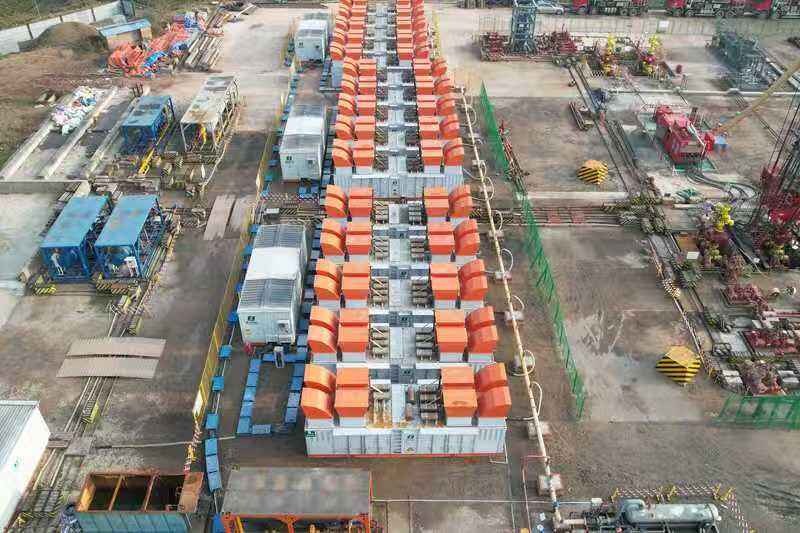
Implement Preventative Maintenance to Extend Gas Generator Set Lifespan
Follow Expert-Recommended Maintenance Tasks to Minimize Wear and Downtime
Regular maintenance work can cut down on gas generator repair bills by around 40% when compared with waiting until something breaks down first, as found by the Ponemon Institute back in 2023. Most experts in the field suggest checking out those ignition systems every three months or so, plus doing some sort of load bank test once a year just to make sure everything works properly during high demand situations. According to last years Power Systems Reliability Report from 2024, sticking to these routines stops about 72% of all typical problems like dirty fuel injectors or weird voltage issues that tend to pop up otherwise.
Review Manufacturer Guidelines for Model-Specific Requirements
Manufacturer-designed maintenance schedules account for critical variables such as ambient temperature, average operational load, and fuel type. Ignoring OEM lubrication intervals can accelerate component wear by 2.7× in turbocharged models. Adhering to factory-recommended service windows extends equipment lifespan by 30%–50% across major gas generator platforms.
Ensure Proper Lubrication and Oil Management in Gas Generator Sets
Check oil levels and condition regularly to prevent engine damage
Regular oil monitoring is essential for preventing engine damage. Inspect dipstick readings weekly and assess oil color and texture for signs of metal particles or sludge. Contaminated lubricant accelerates wear, making timely replacement critical to maintaining long-term reliability.
Establish oil changes as a core routine maintenance task
Adopt interval-based oil changes tied to operational hours rather than calendar time. For best results, refer to OEM maintenance frameworks detailing oil service protocols based on load conditions and generator models. This approach prevents viscosity breakdown and ensures consistent lubrication performance.
Maintain Fuel System Integrity and Optimal Fuel Quality
Understand How Fuel Freshness and Quality Impact Gas Generator Set Performance
Stored fuel starts breaking down after about 30 days, creating sticky gums and varnish deposits from oxidation which block important parts over time. When fuel goes stale or gets contaminated, it cuts down on how well engines burn fuel by roughly 18%. That means less power coming out of the engine and more harmful stuff going into the air. Fuel that's been sitting for more than half a year can actually eat away at fuel injectors and ruin rubber seals inside the system. Most mechanics see this kind of damage showing up in nearly four out of five gas generators they work on when old fuel is involved.
Apply Efficient Fuel Management Practices to Prevent Contamination
Storage tanks that are sealed with desiccant breathers cut down on moisture getting inside by around 92 percent when compared to those with open vents. When it comes to good maintenance habits, folks recommend things like clear fuel filters so they can spot problems visually, putting in place coalescing water separators, and making sure to rotate through fuel supplies roughly every three months. Tank operators who go the extra mile with what's called triple layer protection these days report seeing about two thirds less issues with microbes growing in their systems. The primary tank itself plus a secondary liner and some sort of drip pan below seems to work wonders for keeping contaminants at bay.
Conduct Regular Fuel Testing and Maintain Clean Injectors and Filters
Monthly fuel analysis for cetane number, lubricity, and particulate content helps detect degradation early. Replace spin-on filters every 500 runtime hours and perform ultrasonic injector cleaning biannually to restore optimal spray patterns. Generator sets following this regimen achieve 23% longer service intervals and 15% lower fuel consumption during load bank testing.
Optimize Operational Load and Usage Patterns for Maximum Efficiency
Monitor fuel consumption to detect inefficiencies in real time
Gas generators equipped with telemetry systems can track fuel consumption and how efficiently they burn fuel over time. When operators get real time info from these systems, they spot problems such as generators running unnecessarily long or burning fuel inefficiently, which means fixes happen much quicker than before. According to a recent study done last year, facilities that had access to live diagnostic information cut down on wasted fuel by around 14 percent when compared against places still manually checking their equipment status.
Avoid overloading by matching power demand to rated capacity
Operate generators within 70–80% of maximum capacity to minimize stress on pistons and bearings. Following the 80/20 rule—keeping typical loads 20% below rated output—preserves engine life and supports stable voltage frequency during peak usage.
Use load banks for periodic performance validation under stress
Annual load bank testing simulates full-capacity operation to evaluate voltage regulation and cooling efficiency. These controlled stress tests uncover hidden weaknesses in fuel injectors or alternator windings, allowing proactive repairs before catastrophic failure occurs.
FAQ
What is the importance of preventative maintenance for gas generator sets?
Preventative maintenance helps extend the lifespan of gas generator sets, reduces repair costs by up to 40%, and prevents common issues like dirty fuel injectors or voltage problems.
How often should I check the oil levels in my gas generator?
It's important to monitor oil levels weekly to prevent engine damage. Regular checks can identify issues like contaminants or sludge buildup.
What fuel management practices should I adopt for my gas generator?
Efficient fuel management practices include using sealed storage tanks, rotating fuel supplies every three months, and conducting regular fuel testing to prevent contamination and maintain optimal performance.