
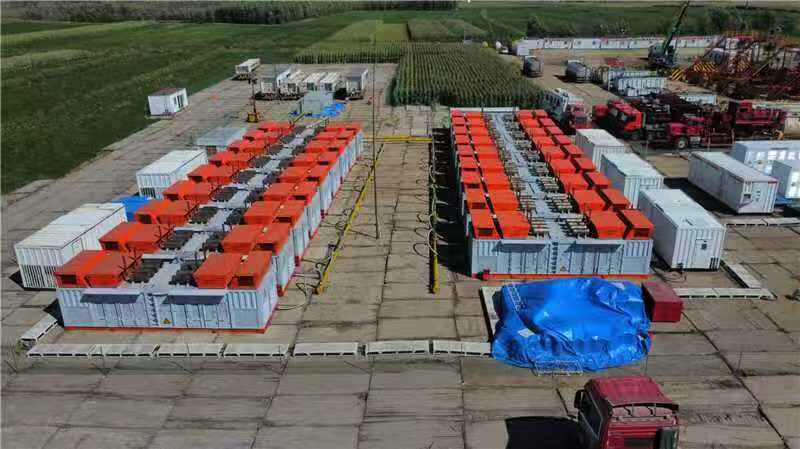
Environmental Impact of Gas Generator Sets vs. Other Fossil Fuels
Emissions Profile of Gas Generator Sets Compared to Diesel and Gasoline
When it comes to emissions, natural gas generators really stand out compared to their diesel counterparts. They produce around 40 to 50 percent less carbon dioxide for every kilowatt hour generated, according to EPA data. And if we're talking about nitrogen oxides, modern natural gas units cut those emissions down by as much as 90%. The difference gets even more dramatic when looking at particulate matter which drops to just 1% of what diesel produces. Carbon monoxide levels also drop significantly, about three quarters less than what comes out of gasoline powered systems. All this happens without sacrificing power output either. Why does this happen? Well, natural gas burns cleaner fundamentally because of its chemical makeup. It has a better hydrogen to carbon ratio, so there's simply less stuff left behind after combustion. Many facilities switching to natural gas find these environmental benefits make sense both from regulatory compliance and long term cost perspectives.
Carbon Intensity: Natural Gas Versus Coal and Oil-Based Power Generation
Natural gas produces around half to two thirds less carbon dioxide compared to coal when generating the same amount of energy, and about thirty percent less than oil too. According to figures from the Department of Energy, this makes natural gas the fossil fuel with the smallest carbon footprint. Switching old coal power stations to run on natural gas generators cuts down yearly carbon emissions by somewhere between 1,500 and 2,000 metric tons for every megawatt of electricity produced. But there's another side to consider here. Methane, which is released during natural gas operations, has a much stronger warming effect than regular carbon dioxide. Specifically, methane traps heat at about 84 times the rate of CO2 over a twenty year period. This means companies really need to watch out for leaks throughout both the extraction process and when transporting the gas across pipelines and storage facilities.
Efficiency, Sizing, and Load Management for Sustainable Operation
Optimizing fuel efficiency through proper sizing of gas generator sets
Gas generators work best when they're running between about 75 to 85 percent of their capacity, which actually gives them around 10 to 15 percent better fuel efficiency compared to ones that are too big for the job. When generators are too small for what they need to handle, maintenance bills jump up by roughly 23 percent because they get pushed beyond their limits all the time. On the flip side, oversized generators just burn through fuel inefficiently since they don't fully combust the fuel. Looking at recent industry data from early 2024, companies using smart IoT tools for proper sizing saw a pretty impressive drop in mistakes related to equipment sizing, cutting those errors down by almost 40 percent across different industrial applications.
Gas Generator Sets as a Bridge to Renewable Energy Integration
Supporting grid stability in weak or isolated networks with gas generator sets
Gas generator sets enhance resilience in underdeveloped or isolated grids by rapidly adjusting output to meet fluctuating demand. Their operational flexibility makes them essential for maintaining reliable power where renewables alone cannot guarantee stability, as noted in recent grid stability analyses.
Role in balancing intermittent renewable energy sources
Gas generator sets provide immediate dispatchable power during low solar or wind generation periods. This capability allows greater integration of variable renewables into the grid without compromising reliability—a synergy emphasized in renewable integration research.
Industry paradox: Using fossil-fueled generators to enable clean energy transition
Despite being fossil-fueled, gas generator sets accelerate decarbonization by enabling faster retirement of coal plants and supporting renewable expansion. Their lower emissions profile creates a pragmatic pathway toward cleaner energy systems, serving as transitional assets in long-term sustainability strategies.
Hybrid and Renewable Fuel Integration with Gas Generator Sets
Biogas and Landfill Gas as Sustainable Fuels for Gas Generator Sets
Modern gas generator sets can run on biogas from agricultural waste or landfill methane, transforming pollutants into usable energy. According to the EPA, landfill gas-to-energy projects offset 14.8 million metric tons of CO equivalent annually (2024 data), offering a scalable solution for waste-to-energy circular economies.
Hydrogen-Ready and Dual-Fuel Technologies in Modern Gas Generator Sets
Fuel flexibility is a growing priority: 73% of new gas generator models support hydrogen blending (Global Market Insights 2025). Dual-fuel systems using natural gas and biodiesel achieve 18–22% lower NOx emissions than diesel-only units while maintaining high efficiency. These technologies position gas generators as adaptable components in phased decarbonization plans.
Future Innovations and the Evolving Role in Net-Zero Strategies
Carbon Capture Applications for Gas Generator Set Exhaust Streams
Carbon capture technology is becoming increasingly important for reducing greenhouse gas emissions from gas generator operations. Some pilot programs have achieved over 85% carbon dioxide removal after combustion, while newer membrane systems cut down on energy losses by around 30 to 40 percent compared to older amine scrubbing methods. This progress helps explain why gas generators remain relevant as bridge solutions in areas where stable electricity supply matters most during the transition to cleaner energy sources. Many communities still rely on them until solar and wind infrastructure can fully meet demand requirements without backup options.
Trend Analysis: Gas Generator Sets in Long-Term Net-Zero Energy Plans
Most industry predictions suggest that gas generators will hold around 18 to maybe even 22 percent of the backup power market all the way through 2040. These machines remain important for keeping grids stable when renewable sources like wind and solar aren't producing enough electricity. Meanwhile, modular carbon capture tech looks set to expand pretty fast, growing somewhere near 37% year over year until 2035 according to some estimates. What makes these systems attractive is that companies can retrofit existing infrastructure instead of spending big bucks on completely new equipment. Looking ahead, it seems clear these technologies are becoming essential as we scale energy storage solutions. They also help create pathways toward working with truly renewable gas options sometime between 2040 and maybe 2050 down the road.
FAQ
1. Why do natural gas generators produce fewer emissions than diesel generators?
Natural gas has a better hydrogen-to-carbon ratio, leading to cleaner combustion and fewer emissions compared to diesel.
2. How significant is methane leakage in natural gas operations?
Methane leakage can significantly affect lifecycle emissions, but improvements in detection technology have reduced leaks substantially.
3. Can gas generators be part of a sustainable energy strategy?
Yes, gas generators can support renewable energy integration by providing reliable backup power and acting as transitional assets towards cleaner energy systems.
4. What are the benefits of hybrid gas generator systems?
Hybrid systems combining gas generators with battery storage can enhance efficiency and reduce fuel consumption by optimizing load management.
5. Are there ways to use gas generators with renewable fuels?
Gas generators can run on biogas or hydrogen mixtures, helping to reduce emissions and promote sustainability.
Table of Contents
- Environmental Impact of Gas Generator Sets vs. Other Fossil Fuels
- Efficiency, Sizing, and Load Management for Sustainable Operation
- Gas Generator Sets as a Bridge to Renewable Energy Integration
- Hybrid and Renewable Fuel Integration with Gas Generator Sets
- Future Innovations and the Evolving Role in Net-Zero Strategies
-
FAQ
- 1. Why do natural gas generators produce fewer emissions than diesel generators?
- 2. How significant is methane leakage in natural gas operations?
- 3. Can gas generators be part of a sustainable energy strategy?
- 4. What are the benefits of hybrid gas generator systems?
- 5. Are there ways to use gas generators with renewable fuels?