
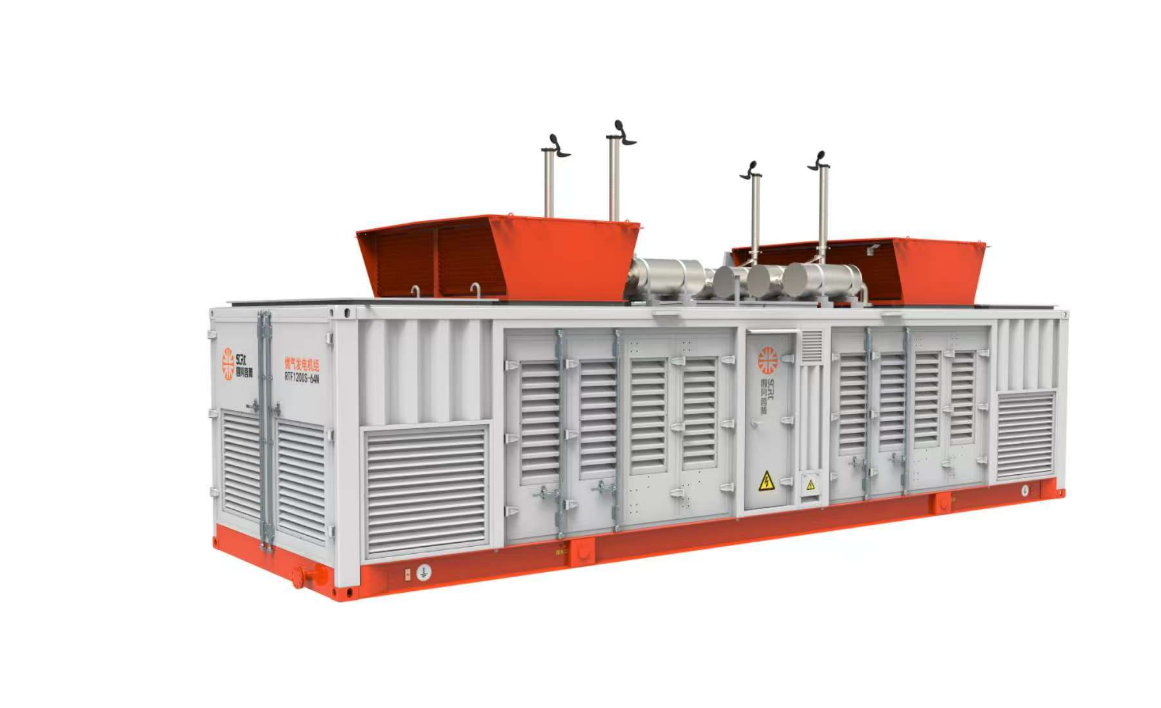
You might think running a gas genset is as simple as turning a valve and letting the fuel flow. But in reality, keeping a gas generator running at its best is a delicate balancing act. The core of that balance lies in one crucial factor: the air to fuel ratio. Getting that mix wrong, even by a small amount, can lead to all sorts of trouble, from wasted fuel to serious damage inside the engine. For anyone relying on a gas genset for power, understanding the importance of precise AFR control is key to keeping operations smooth and avoiding costly repairs.
Stopping dangerous knocking and pre ignition
One of the scariest things that can happen inside a gas genset is engine knocking. This happens when the air and fuel mixture ignites unevenly or too early inside the combustion chamber, sending shockwaves through the engine. It sounds like someone hitting the engine block with a hammer, and over time it can crack pistons, bend connecting rods, and blow head gaskets. A precise air to fuel ratio control keeps the mixture stable, which directly prevents these explosive pressure spikes. Modern systems use oxygen sensors and electronic control units to constantly monitor the mix and make tiny adjustments on the fly, keeping the combustion smooth and protecting the engine from that kind of internal violence.
Boosting fuel efficiency and lowering operating costs
Nobody likes wasting money on fuel that does nothing. When the air to fuel ratio is off, you are basically throwing some of your gas away. If the mixture is too rich, meaning too much gas and not enough air, a bunch of unburnt fuel goes right out the exhaust pipe. That is money burning up for no reason. If it is too lean, the engine loses power and runs hotter, which forces it to work harder and drink more fuel to get the job done. By maintaining the ideal AFR, a gas genset burns the fuel completely and efficiently. That means every drop of gas does real work, and your operating costs stay under control. For businesses running generators around the clock, those savings add up fast.
Keeping emissions clean and staying legal
There is a growing list of rules and regulations about what can come out of a generator exhaust. Carbon monoxide, nitrogen oxides, and unburnt hydrocarbons are all bad for the air and tightly restricted. A gas genset running with a sloppy air to fuel mix will pump out a lot more of these pollutants. A rich mix creates high levels of carbon monoxide and hydrocarbons, while a mix that is too hot and lean cranks up the nitrogen oxide production. Precise AFR control sits right in the sweet spot that minimizes all these harmful emissions at once. This keeps your operation compliant with environmental laws and helps you avoid fines, shutdowns, and the bad reputation that comes with being a heavy polluter.
Handling unstable gas quality with ease
Here is something that surprises a lot of people. The gas coming out of the pipe is not always the same. The methane content can change, the pressure can fluctuate, and the energy value can drift throughout the day. If the air to fuel system cannot react to these changes, the engine will suddenly find itself running on a completely different fuel than it was tuned for. That throws everything off. A smart gas genset uses closed loop AFR control with feedback sensors to constantly measure what is actually burning and immediately adjust the mix. This flexibility lets the generator handle low quality or variable gas without skipping a beat, which is especially important for facilities running on biogas or landfill gas.
Making lean burn technology work safely
Lean burn is a fancy term for running the engine with more air and less fuel than the perfect chemical balance would normally call for. This approach is great for fuel economy and lowering peak combustion temperatures, which slashes nitrogen oxide emissions. But here is the catch. A lean burn gas genset operates inside a very narrow window. Go just a little too lean and the flame goes out, causing a misfire and sending raw fuel into the hot exhaust, which is an explosion waiting to happen. Go too rich and you lose all the benefits. Getting lean burn right requires an incredibly precise air to fuel ratio control system that holds the mix exactly where it needs to be, second after second. Without that precision, the engine either fails to perform or becomes a serious safety hazard.
Extending engine life through reduced stress
Engines wear out over time, but bad combustion speeds up that process like nothing else. Running rich washes down the cylinder walls with fuel, diluting the oil and causing extra wear on rings and bearings. Running lean creates excessive heat that can melt spark plug electrodes, crack cylinder heads, and burn exhaust valves. Both extremes put unnecessary stress on the whole machine. With precise AFR control, the gas genset runs clean and cool, with the fuel burning smoothly and completely. This gentle operating environment means fewer repairs, less downtime, and a much longer working life for your equipment. Think of it as giving your generator a steady, healthy diet instead of forcing it to feast one day and starve the next.
Conclusion
A gas genset is a pretty complex machine, but at its heart it just wants to breathe right. Getting the air to fuel ratio exactly right makes the difference between a generator that runs like a champ for years and one that constantly gives you headaches. From preventing damage to saving fuel, cutting emissions to handling bad gas, precise AFR control is truly the secret sauce that keeps everything running the way it should.