
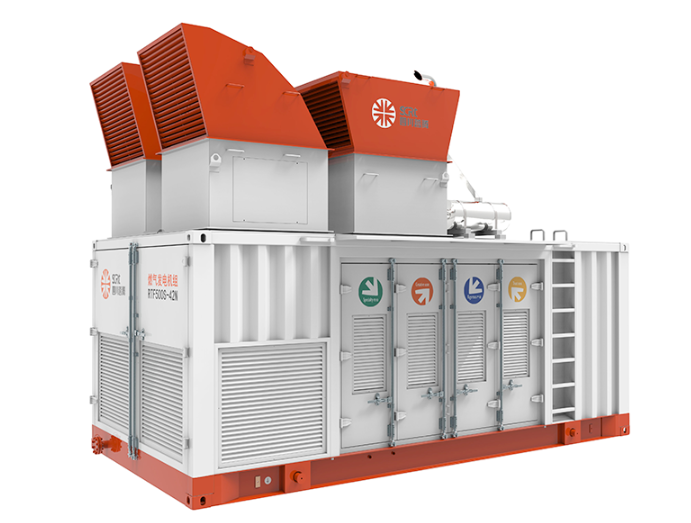
So you are looking into biogas power. That is a smart move. You are taking something that would otherwise just rot away and turning it into real, usable electricity. But here is the thing. The whole project lives or dies based on the equipment you pick. You need a machine that can handle the unique challenges of biogas, run for long hours without complaint, and actually give you a return on your investment. That is where a Rongteng generator comes into the picture. These units are built specifically for gas applications, and they bring a lot to the table for anyone serious about turning waste into watts.
Turning Waste into Something Actually Useful
Think about all the organic waste sitting around. Animal manure on a farm. Food scraps from a processing plant. Sewage sludge from a treatment facility. Leftover agricultural material. All of that stuff normally just sits there releasing methane into the air, which is terrible for the environment. A biogas power project changes that completely. You capture that gas, clean it up a bit, and feed it into a generator. The machine turns it into electricity you can use right on site or sell back to the grid. A Rongteng generator is designed to run on this exact type of fuel. You are not burning fossil fuels that took millions of years to form. You are using what is already there, turning a problem into a resource. That feels pretty good, honestly.
High Efficiency That Actually Saves You Money
Nobody wants to put money into a project that barely pays for itself. A Rongteng generator delivers where it really counts. Third party tests have shown that the RT GS series reaches an average efficiency of around 40.5 percent. To put that in perspective, most gas generators in the industry sit somewhere between 35 and 42 percent. So this machine is sitting right at the top end of that range, getting pretty close to what is considered the absolute best on the market right now. What does that mean for you? Less fuel burned to get the same amount of power. Lower operating costs over the life of the project. And a faster payback period on your initial investment. That last part matters a lot when you are trying to convince stakeholders that a biogas project makes financial sense.
Fuel Keeps Coming Straight from Your Digester
One of the biggest headaches with diesel generators is fuel logistics. You have to store it, monitor it, and arrange deliveries. If you run out, the generator stops and your operation grinds to a halt. With a biogas project, your fuel source is sitting right there on your property. The anaerobic digester keeps producing gas as long as you keep feeding it organic material. A Rongteng generator hooks right into that gas stream. As long as the digester is working, the generator keeps running. No truck deliveries. No fuel storage tanks taking up space. No worrying about price spikes at the pump. You are basically producing your own fuel on site, which gives you a level of energy independence that diesel users can only dream about.
Lower Emissions and a Smaller Carbon Footprint
Environmental regulations are only getting tighter. That is just a fact of life these days. A Rongteng generator running on biogas burns much cleaner than a diesel unit. We are talking about significantly lower nitrogen oxide emissions, almost no sulfur dioxide, and very little particulate matter coming out of the exhaust. And here is the really good part. Biogas itself is a renewable fuel. You are not pulling carbon out of the ground that has been locked away for millions of years. You are using carbon that was already in the organic matter, carbon that would have been released anyway as the material decomposed. So the net carbon impact is dramatically lower than running on fossil fuels. For any business trying to hit sustainability targets or qualify for green energy incentives, this is a huge win.
Built to Run Day After Day Without Complaints
Biogas power is not a sometimes thing. Once your digester is producing gas, you need to use it. You cannot just turn it off and on like a standby generator. A Rongteng generator is engineered for continuous operation. The engine components are built to handle the wear and tear that comes from running nonstop for days or even weeks at a time. The cooling system keeps temperatures in check even under heavy loads. The control systems monitor everything in real time and make adjustments automatically. You are not constantly fiddling with knobs or watching gauges. The machine just works. That reliability matters when your whole operation depends on having power around the clock.
Combined Heat and Power Adds Another Revenue Stream
Here is something a lot of people overlook. When a generator runs, it gets hot. That heat normally just goes out the exhaust and gets wasted. But a Rongteng generator can be part of a combined heat and power setup. You capture that waste heat and use it for something useful. Maybe you need to keep the digester warm to optimize gas production. Maybe you have a building that needs heating in the winter. Maybe you run a process that requires hot water. By putting that waste heat to work, you can push total system efficiency up to 80 or 90 percent. That is a huge jump from the 40 percent you get from electricity alone. More efficiency means more value from every cubic meter of biogas you produce.
Low Maintenance Means Less Downtime
Nobody likes working on equipment when it breaks down. A Rongteng generator is designed to minimize that headache. Because biogas burns cleaner than diesel, there is less carbon buildup inside the engine. That means fewer oil changes, cleaner spark plugs, and longer intervals between major service work. The electronic control systems also help by keeping the engine running at its optimal settings at all times. You are not pushing the machine too hard or letting it run inefficiently. Both of those things cause extra wear and tear. With a well maintained unit, you can go thousands of hours between major overhauls. That keeps your project profitable because the generator is producing power instead of sitting around waiting for repairs.
Real World Performance That Backs Up the Claims
It is easy for any manufacturer to make big promises. But actual results tell the real story. Rongteng generators have been deployed in real projects with real results. One installation takes biogas from sewage sludge, extracting around 650 cubic meters of biogas per day. That single generator meets 90 percent of the facility energy needs. Think about that. Ninety percent of their power coming from something they used to just treat as waste and get rid of. That is not a theoretical number. That is happening right now. When you see that kind of performance in the field, it takes a lot of the risk out of your decision. You are not guessing whether the technology works. You are following a path that others have already proven successful.
Wide Power Range to Fit Your Project Size
Biogas projects come in all shapes and sizes. A small farm might only need 50 kilowatts to run the place. A large industrial facility might need 2 megawatts or more. Rongteng offers generators across a broad power range, from smaller units up to 1200 kilowatts and beyond. You can also parallel multiple units together if your needs grow over time. That scalability means you do not have to overbuy upfront or underbuy and regret it later. You pick the size that makes sense for your current operation, with room to expand when the time comes. That kind of flexibility is hard to find with some other manufacturers.
A Partner Who Understands Gas Projects
Not every generator company really gets what makes biogas projects different. The fuel composition can vary. The gas quality might not be perfect. The operating conditions can be harsh. Rongteng has been in the gas equipment business for over 23 years. They have seen just about every scenario you can imagine. That experience shows up in the little details, like how the fuel system handles varying methane content or how the control system adapts to changing loads. You are not just buying a box with an engine inside. You are getting decades of practical knowledge baked into every unit. That is the kind of thing that saves you headaches years down the road.
Table of Contents
- Turning Waste into Something Actually Useful
- High Efficiency That Actually Saves You Money
- Fuel Keeps Coming Straight from Your Digester
- Lower Emissions and a Smaller Carbon Footprint
- Built to Run Day After Day Without Complaints
- Combined Heat and Power Adds Another Revenue Stream
- Low Maintenance Means Less Downtime
- Real World Performance That Backs Up the Claims
- Wide Power Range to Fit Your Project Size
- A Partner Who Understands Gas Projects