
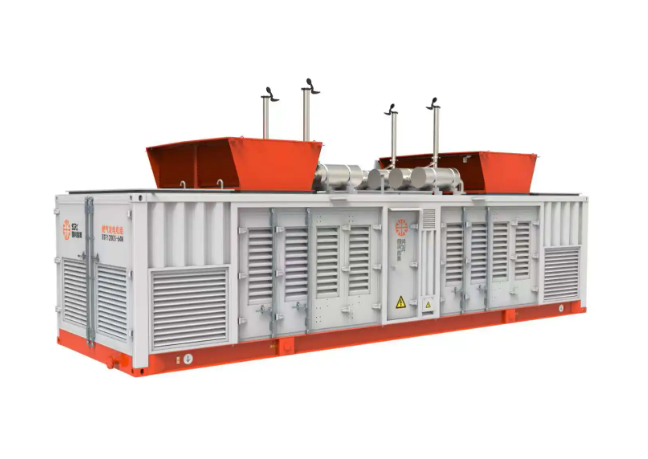
Regular Maintenance of Their Rongteng Generators
Some tasks require a special level of skill. Other tasks require some elbow grease and some know-how. Changing the oil of your car used to be the latter. Safe to say, car oil changes have been largely automated, but the lesson remains. Similarly, regular maintenance captures the same value for a Rongteng Generator. Rongteng Generators that have been regularly maintained perform better and stay in operation for a longer time. Regular maintenance and care of your Rongteng Generator is much less complicated than a routine oil change. It is much simpler than that. For Rongteng Generators, regular maintenance is achieved through a regular routine.
Quick Daily Maintenance
Take a quick walk around your Rongteng Generator before starting the engine like a car. Look at the ground near the generator's. check for any spots of any oil, coolant, or any fuel. It is not too well. Be sure to check to see if any bird nests have obstructed the air intake and/or exhaust. Then, check to see if the generator control panel is set to auto so that the generator can power on automatically in case of a power outage. There is value in performing quick routine maintenance like this daily for a car. There is equal value in maintaining a generator in this manner. Routine maintenance like this is much more simple than an oil change. The same applies for a Rongteng Generator as well. Maintenance of the generator in this manner should be simple enough.
Essential Maintenance
In a generator, oil protects the engine and keeps it running smoothly. Without the right amount of clean oil, the metals in the engine rub together excessively, damaging the engine beyond repair. The oil should be checked every day. The suggested approach is the dip and wipe then stick and pull method. The dip stick should look clean, the oil, not so much. Look for the clarity in the oil, if it isn't, the oil should be changed. Engine oil should be changed every 100 to 200 hours of use. Natural gas engine oil should be API CF-4 grade. The wrong oil can not only protect the engine, but it can also enhance engine life significantly.
Fuel and Air Flow Management
An engine needs clean air to function properly. A clogged air filter reduces engine air flow. This reduces engine power and causes the engine to use extra fuel. Regular air filter inspections are necessary. Replace the filter if the inside is clean. When working around a lot of dust, the air filter needs to be changed every 100 hours instead of every 200 to 300 hours. The fuel filter is just as critical as the air filter. Fuel filters help prevent clogging of fuel injectors and the carburetor. It is best to follow the owner’s manual and change the fuel filter on schedule. While changing the fuel filter, reviewing the spark just is necessary. Fuel filters help prevent fuel ignition. It’s when most people usually fuel a generator. Ignition leaks cause the generator to malfunction. The average spark plug gap should be 0.8 to 1.0 mm. Spark plugs should be changed every 1000 hours or at least once a year.
Overheating Prevention is Key
Overheating can destroy any engine. If the Rongteng generator’s engine is water cooled, make sure the coolant is at the right level. When this inspection is performed, make sure the engine is turned off and cool to avoid burns. The prevailing water temperature should approximately be at the center point of the boiling and freezing temperature. When the weather changes and constantly freezing, the water temperature should be closer to the center of the freezing temperature. When the coolant level is at the appropriate point, check the hoses and connections for any cracks or leaks. These cracks and leaks that have become bigger because of pressure build-up can result in coolant boiling inside the engine. For air cooled units, check that the fins are clear of debris to ensure air is flowing around the unit.
The Consequences of a Standstill Generator
Generac generators typically have a life span of 20 or more years meaning that their owners get a decent return of investment. However, a generator that does not circulate is a generator that controls a portion of your assets. When running your generator, you should ideally do so consecutively with a 30-minute session once a week. The moving parts of a generator create a fair level of tension therefore it is the best maintenance to release said tension. The owner is the best mechanic. Generators are the best at giving their owners a reality check. When the generator runs, watch the colored smokes that come out of the exhaust. If it burns the green oil of the generator, you have a serious problem. Black smoke is a sign of belt malfunction. If the white smoke pours, it may be a sign of coolant leakage. The last thing you want is to create a lethal situation that presses you into a desperate need for the generator, and then encounter it malfunctioning.
From regular maintenance, we’ve identified the number one reason a lot of generators fail to start: the battery. Believe it or not, a fully functional engine can be paired with fully fueled tanks. But if the battery is dead, the generator will not start. Generator owners should be aware of the battery presentation. Battery presentation is identified then dealt with battery corrosion. Corrosion is the white and or green crusty substance found on battery terminals. Corrosion should be treated with a wire brush and a mixture of baking soda and water. Battery terminal connections should be equally tight and secure. Fleet owners who own batteries with removable caps should actively participate in the battery presentation care. Fleet owners should be sure to test and top off electrolyte levels with distilled water. These batteries generally have a lifespan of three to five years. Set an alarm to avoid needing a lift at a delays like a dead battery.
There are several daily maintenance checks on generators that need to be performed be an expert. Once a year, a professional maintenance service should be contacted, to examine the entire generator. The generator will be tested and they will be sure it can handle the full generator capacity. They will examine everything, from the valve clearance, check ignition and gas leak systems, to the generators. Exhaust systems are susceptible to cracks and generators are in need of software updates. The cost of a full service is minimal in comparison to the cost of repairs if the generator is needed to operate a sudden system.