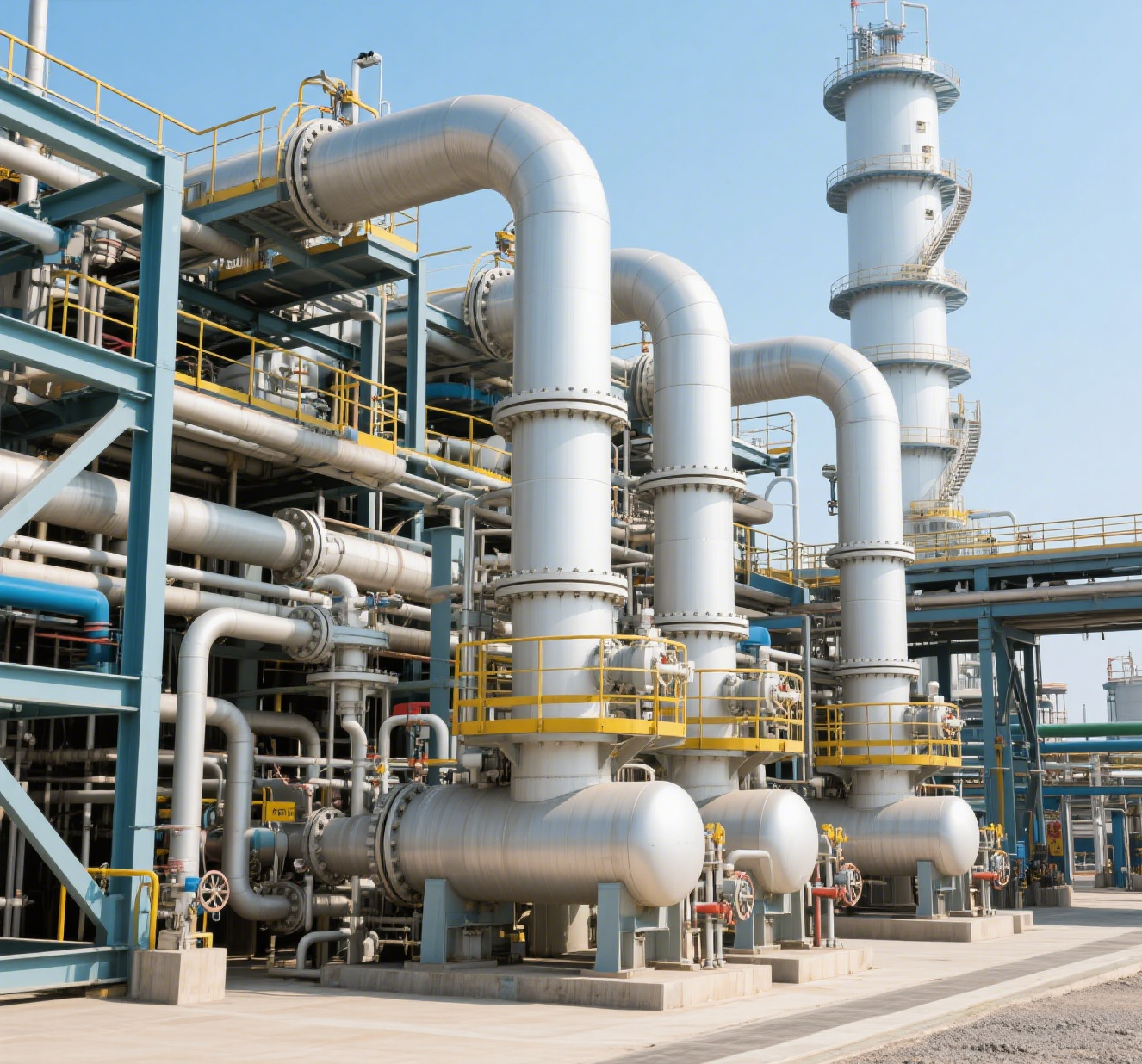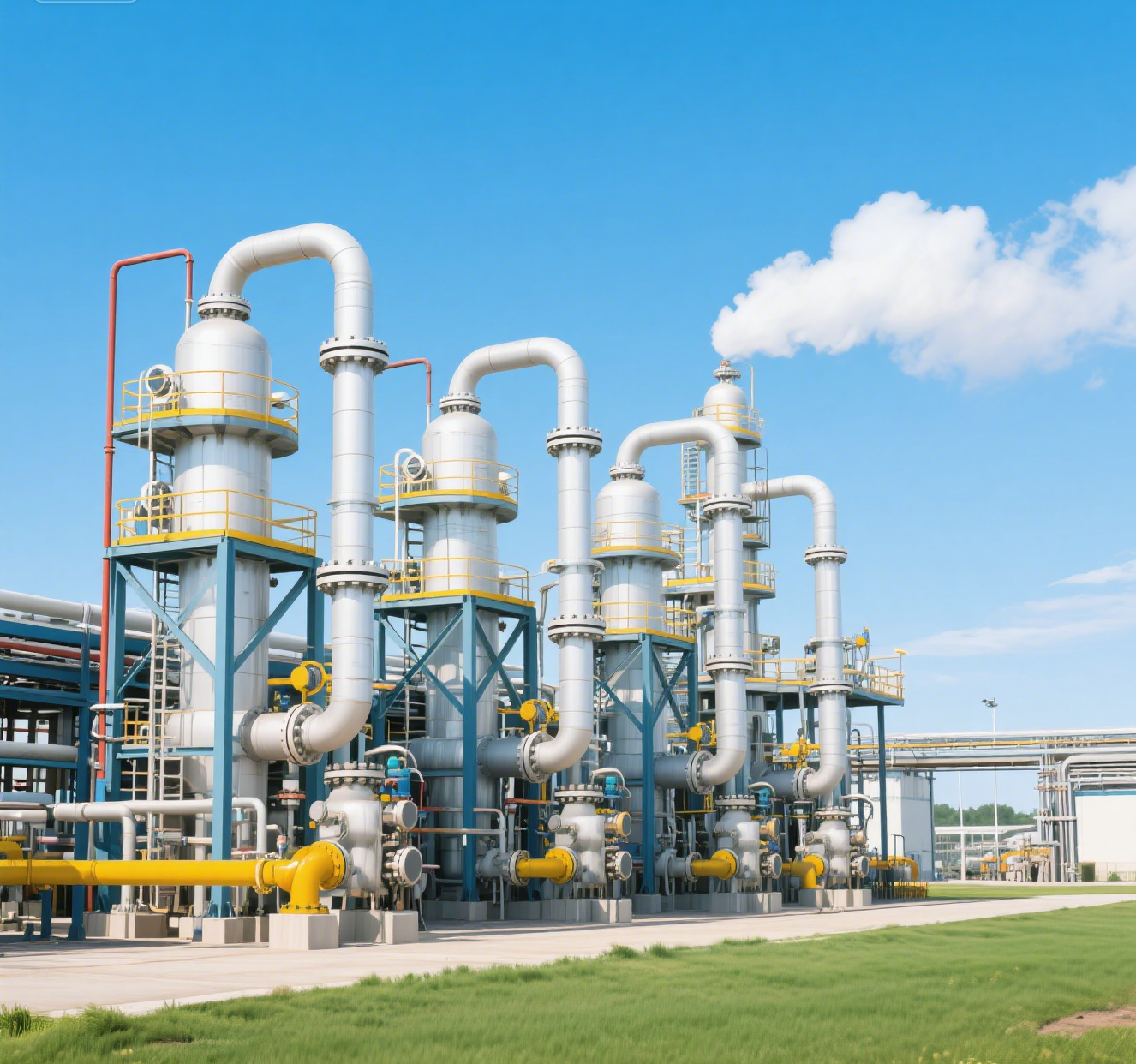
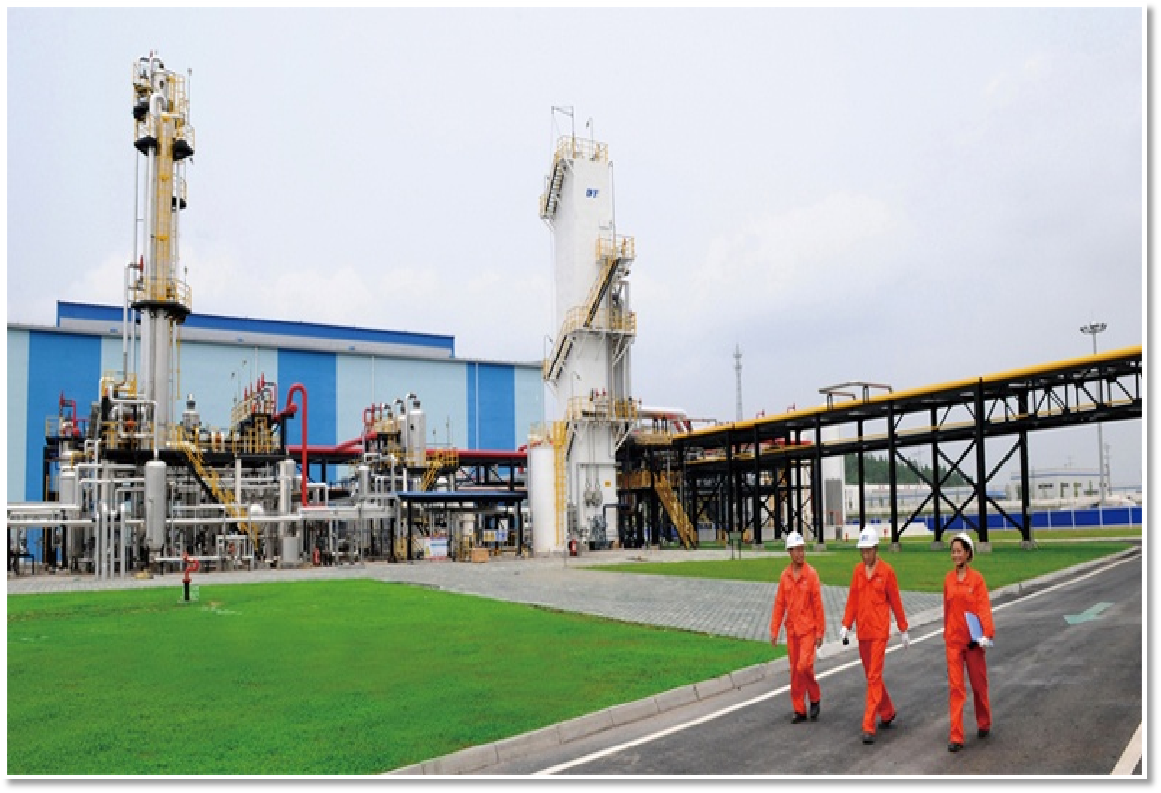
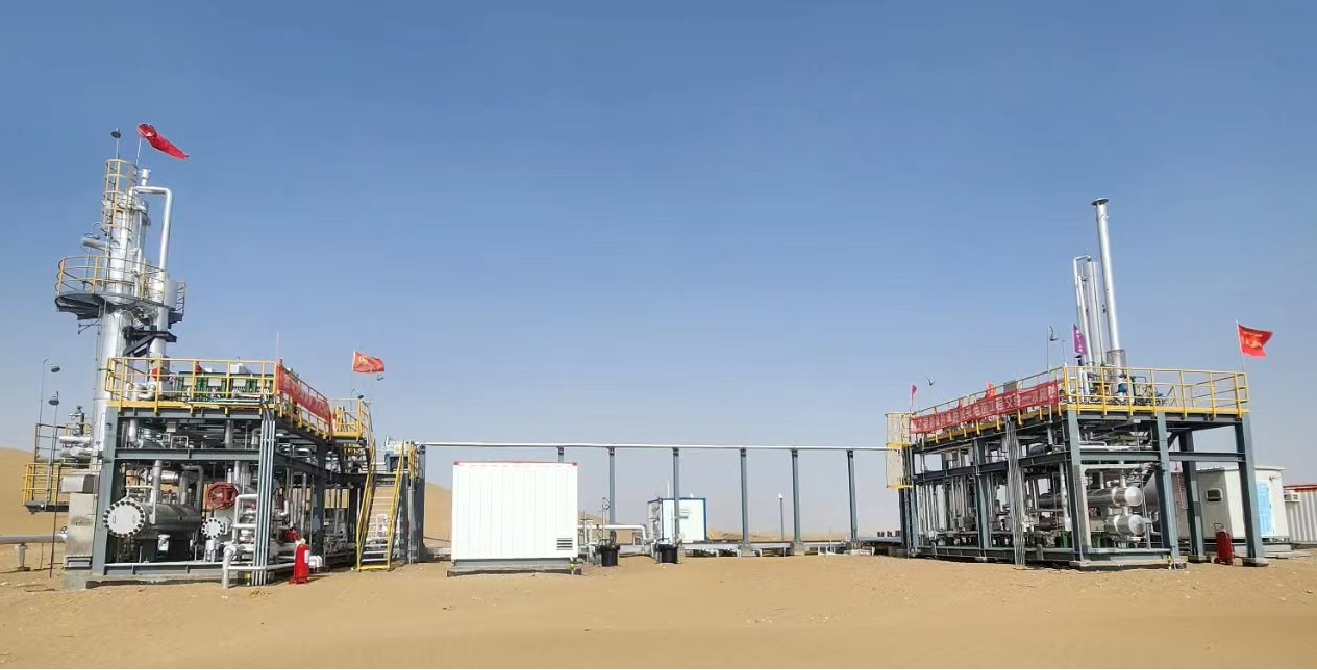
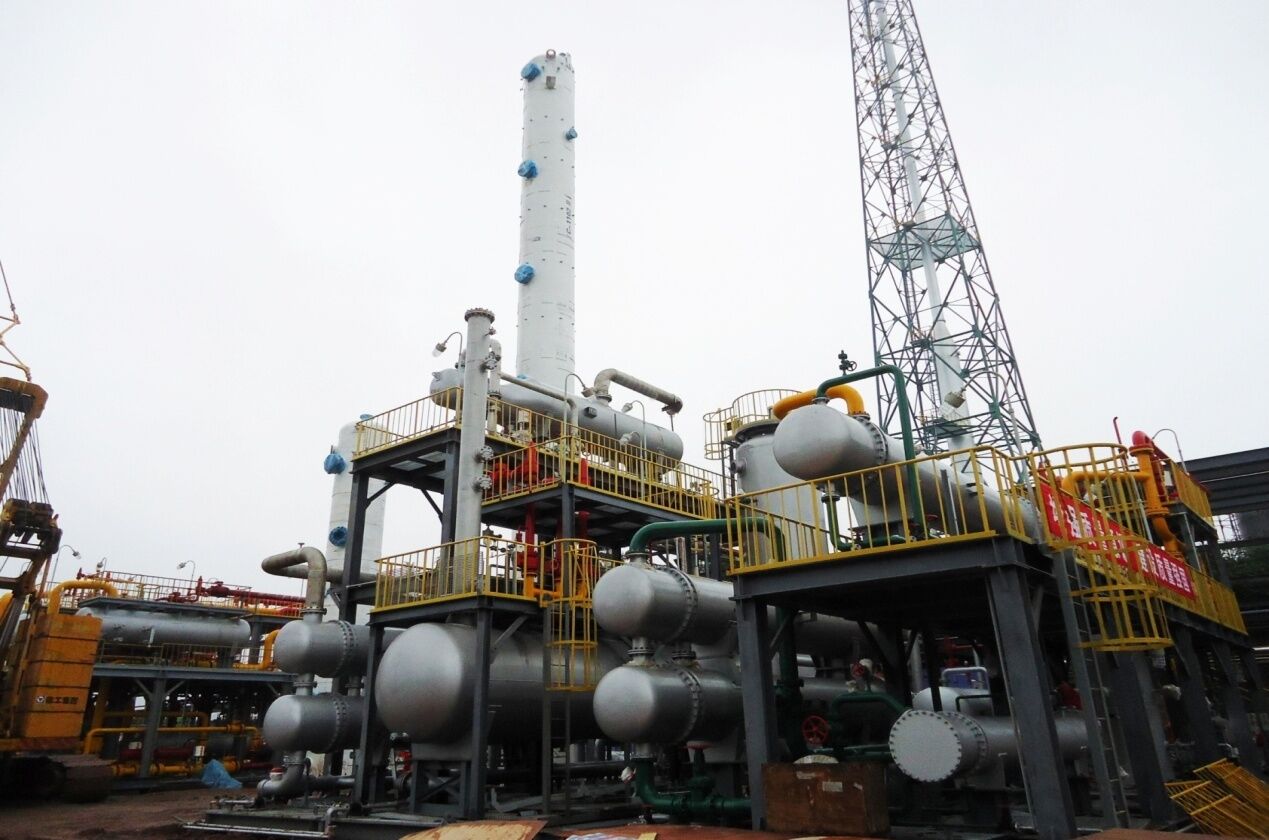
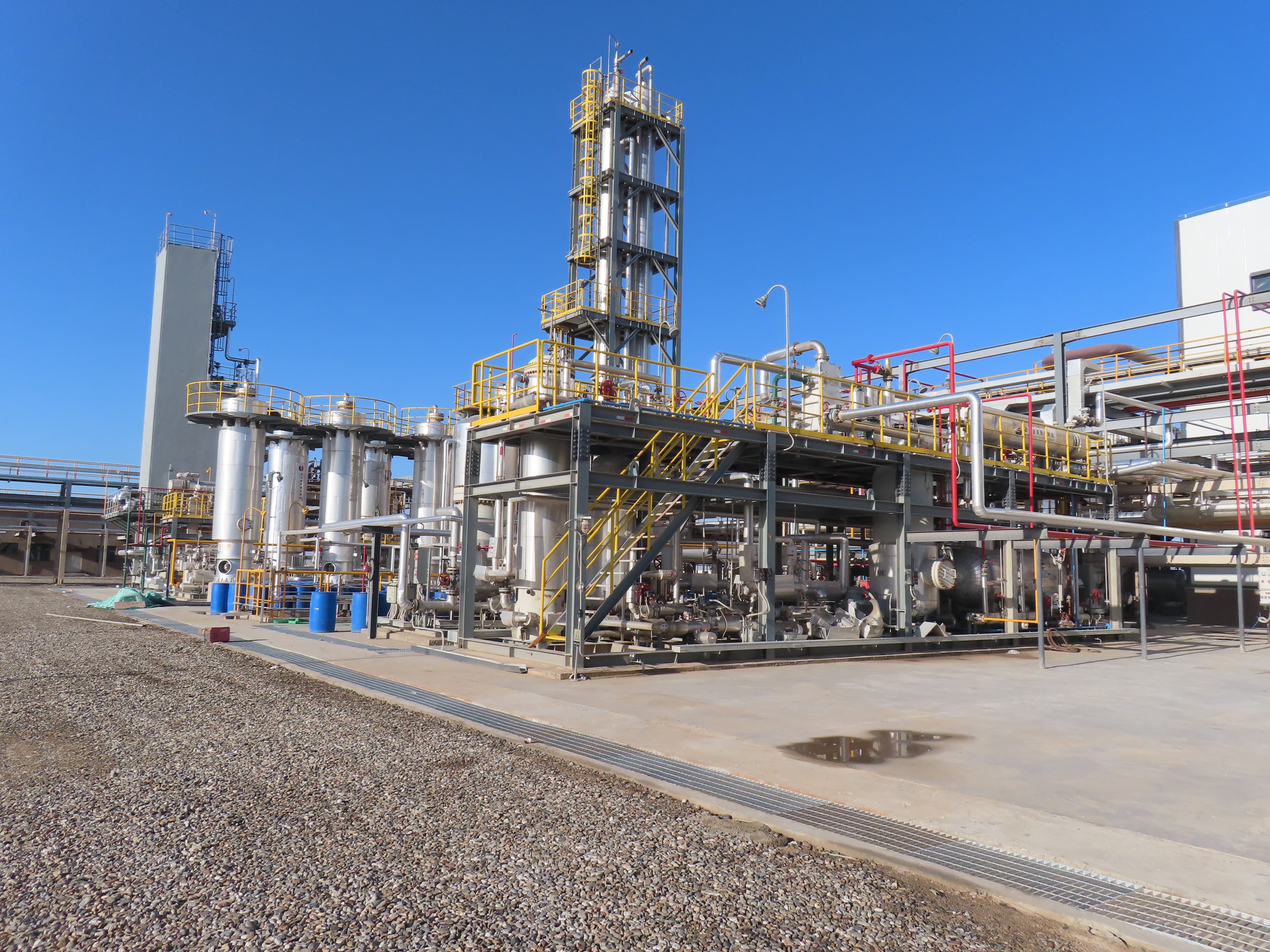
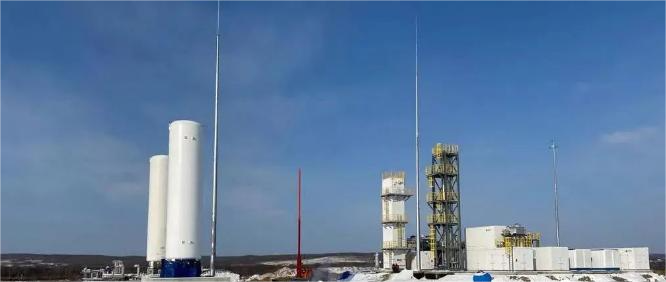
LCNG refueling stations solve critical infrastructure challenges by integrating liquefaction and compression at a single site. These hubs efficiently convert LNG into on-demand Compressed Natural Gas (CNG), serving diverse fleets—from urban buses and waste trucks (using CNG) to long-haul transport and marine vessels (requiring LNG). This dual-output capability eliminates the need for separate stations, slashing costs and space requirements. For cities and logistics hubs, LCNG enables rapid scaling of low-emission transport while maximizing fuel flexibility and uptime.
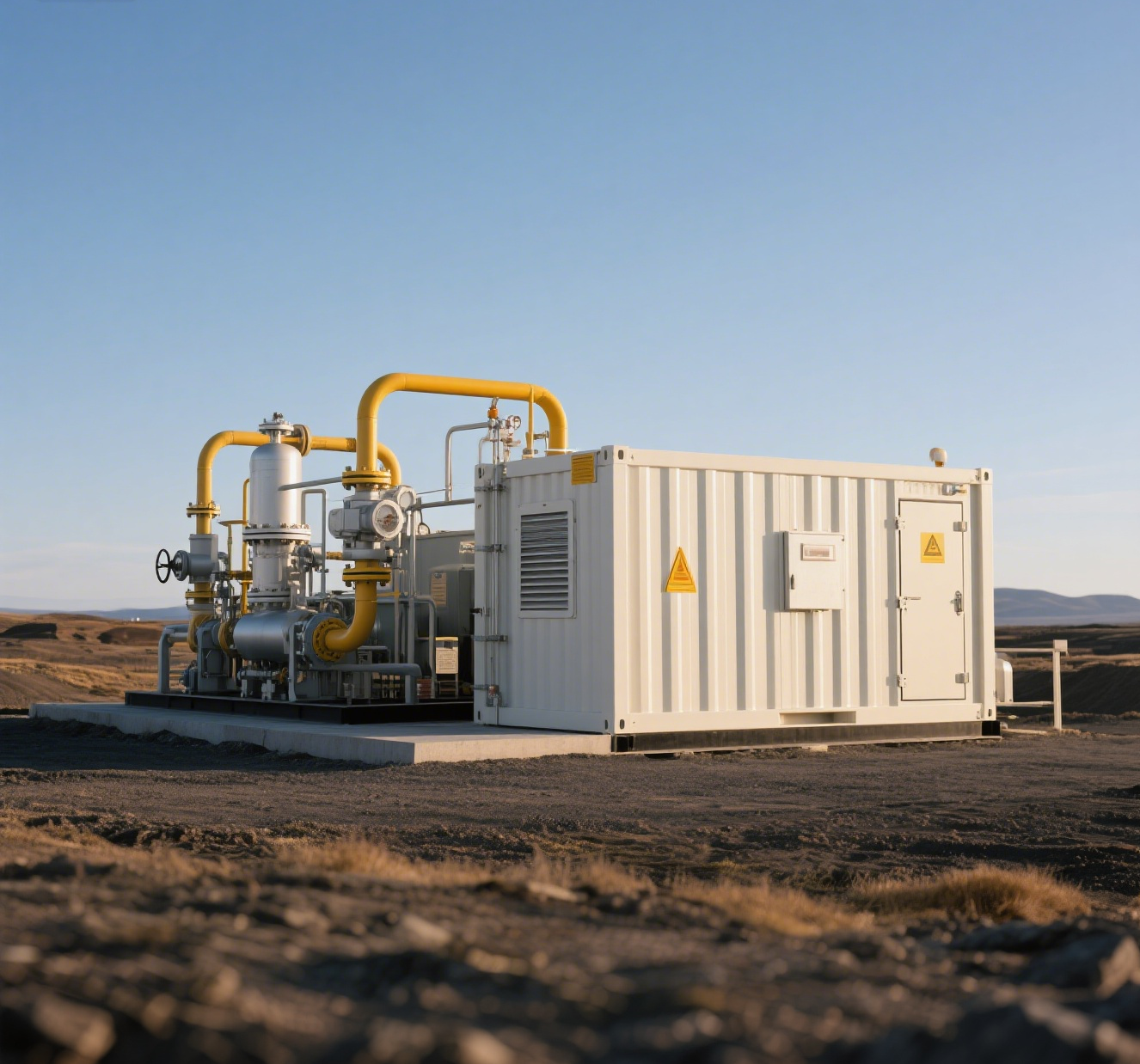
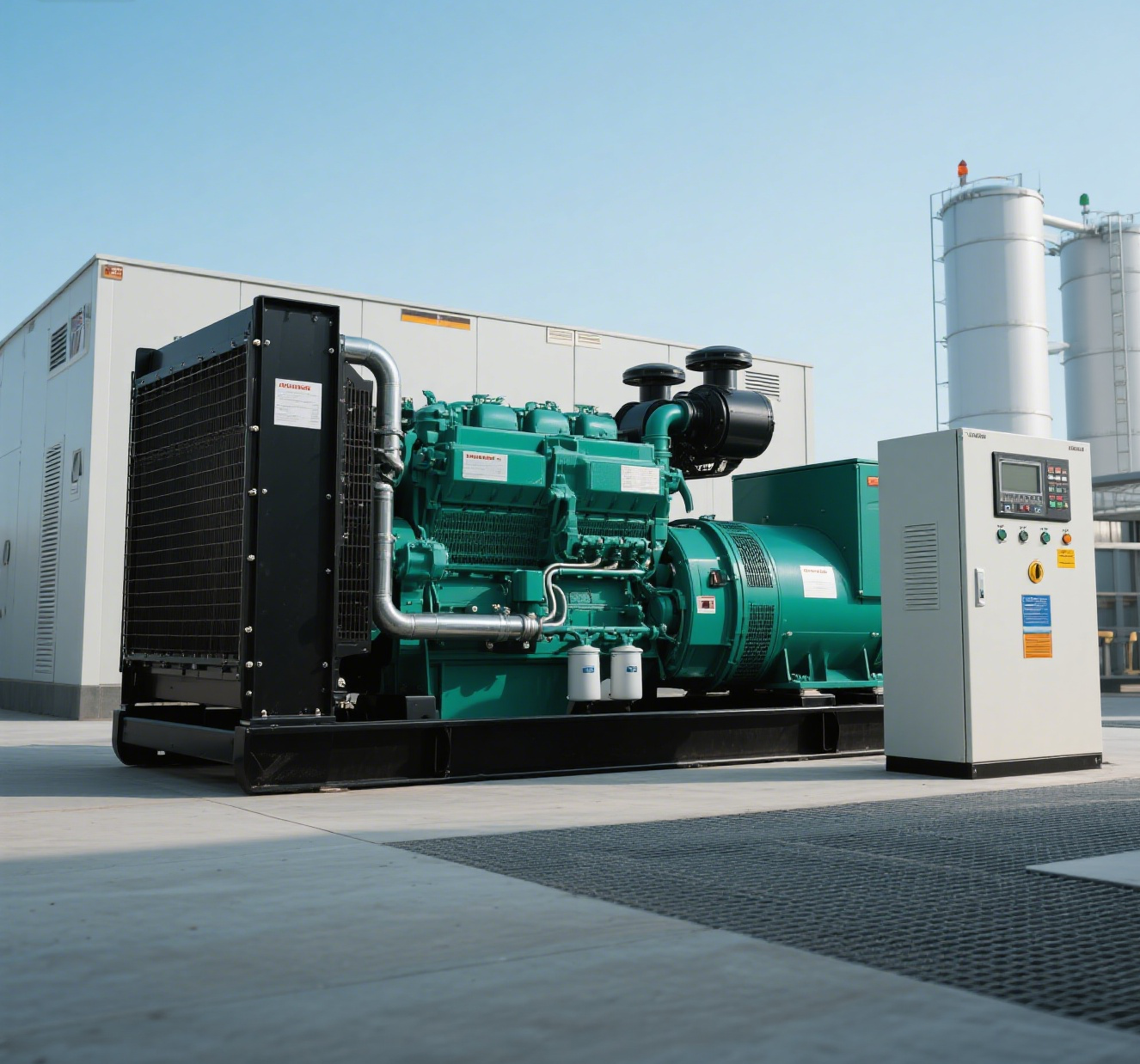
Industrial and mining operations leverage LCNG technology for off-grid energy resilience. Remote sites use compact LCNG skids to liquefy pipeline gas or vaporize delivered LNG, then compress it for CNG-powered generators, vehicles, and equipment. This bypasses diesel dependency, cutting CO₂ by 30% and eliminating soot. With integrated storage and vaporizers, LCNG systems ensure uninterrupted power for critical processes—even in extreme environments—while complying with tightening emissions regulations.
The future of LCNG lies in renewable synergy and hydrogen readiness. Stations increasingly blend Renewable Natural Gas (RNG) from biogas, creating carbon-neutral fuel cycles. Modular designs allow seamless integration of green hydrogen production or blending, future-proofing investments. As governments push net-zero transport, LCNG hubs become strategic assets—enabling scalable, low-cost transitions for fleets and industries while bridging toward zero-carbon energy.
Copyright © Sichuan RongTeng Automation Equipment Co., Ltd. — Privacy Policy