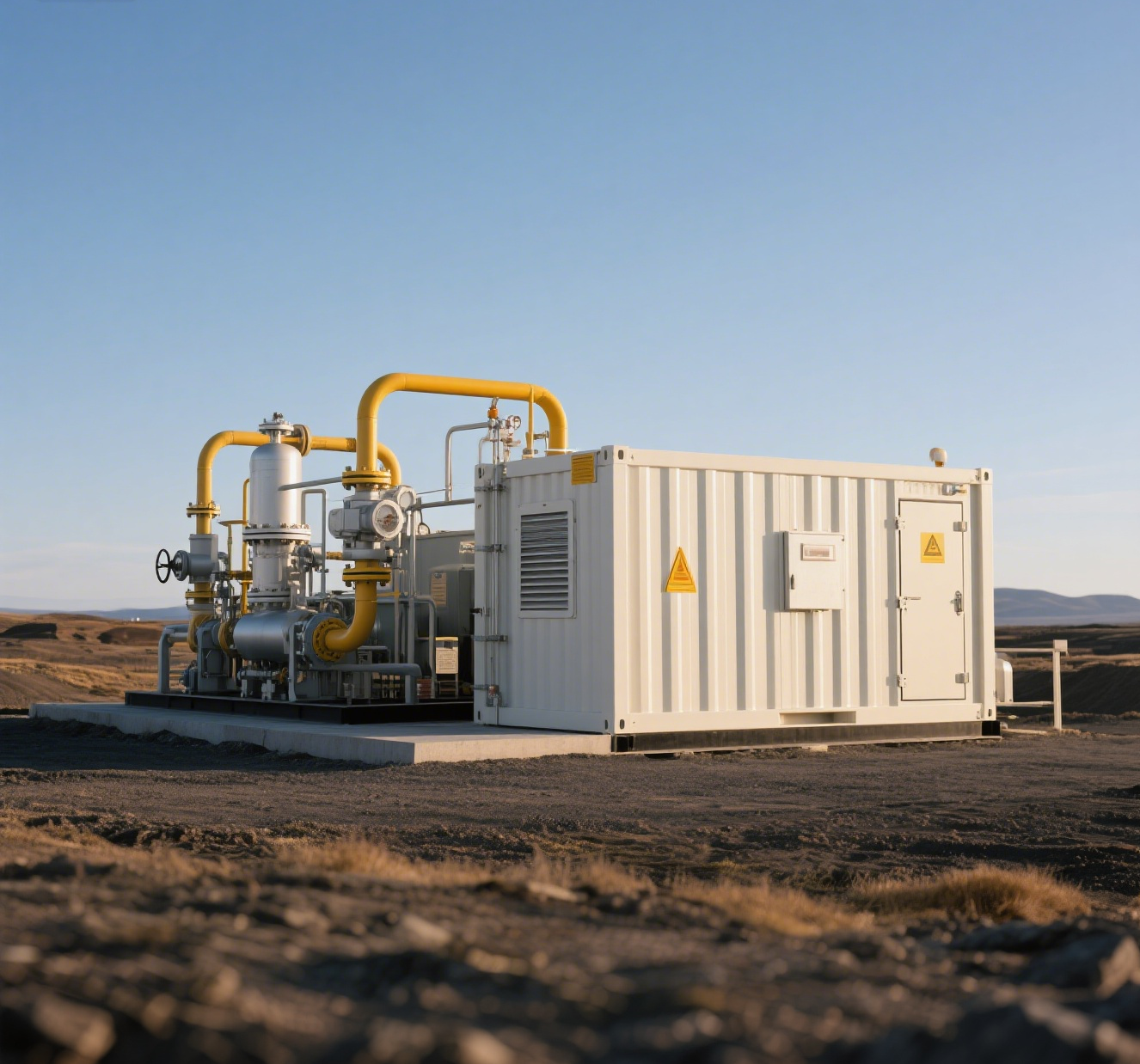
Compressed Natural Gas (CNG) & Liquefied Natural Gas (LNG): Clean Energy Solutions Powering Transport and Industry
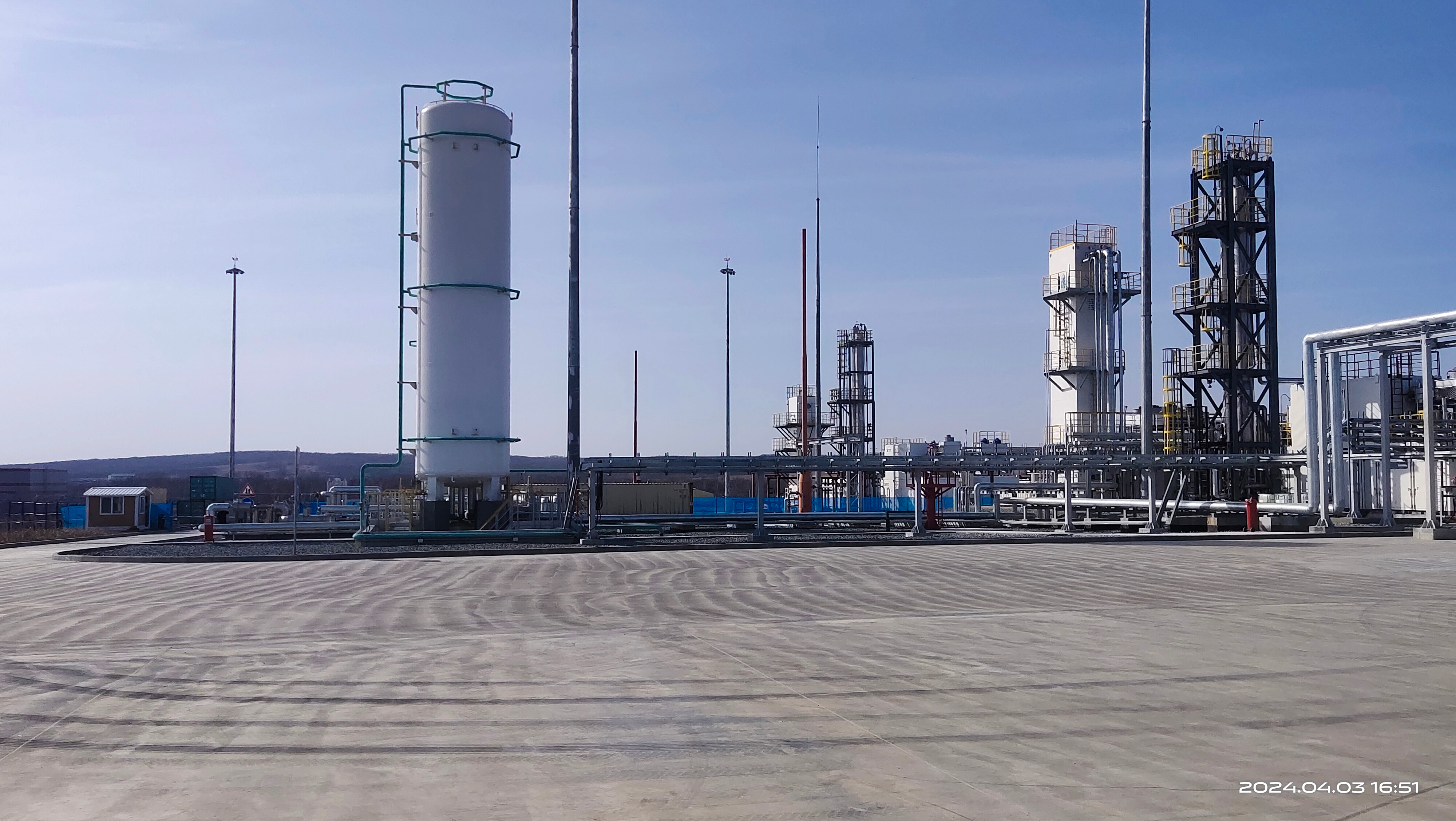
CNG dominates urban and regional transport as a cost-effective, low-emission fuel for vehicles operating within shorter ranges. Compressed to 3,000–3,600 psi, CNG fuels city buses, taxis, delivery vans, and light trucks, reducing CO₂ by 20–30% and virtually eliminating particulate matter versus diesel. With rapid refueling infrastructure expanding globally, CNG is ideal for fleet operators seeking immediate emissions cuts without vehicle range compromises. Meanwhile, LNG excels in long-haul and maritime transport, offering 600x greater energy density in its liquid state (-162°C). It powers ocean vessels, heavy-duty trucks, and locomotives, slashing sulfur emissions by 99% and enabling transcontinental routes without refueling—making it critical for decarbonizing global logistics under tightening IMO and EPA regulations.
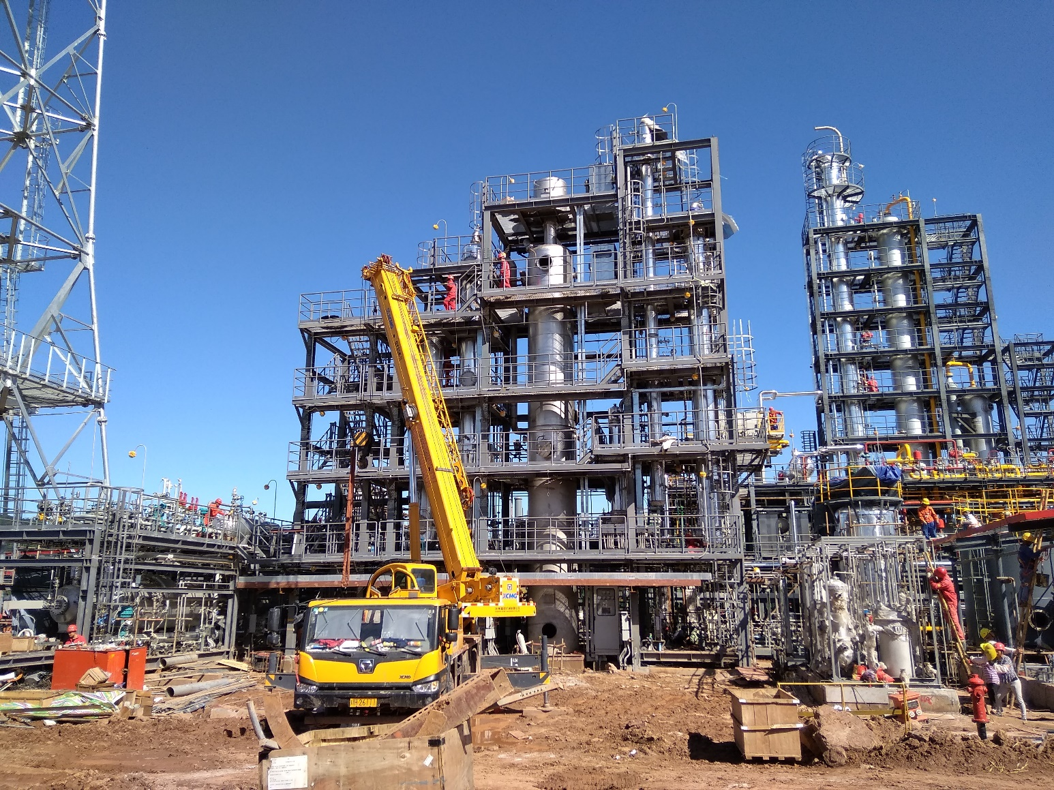
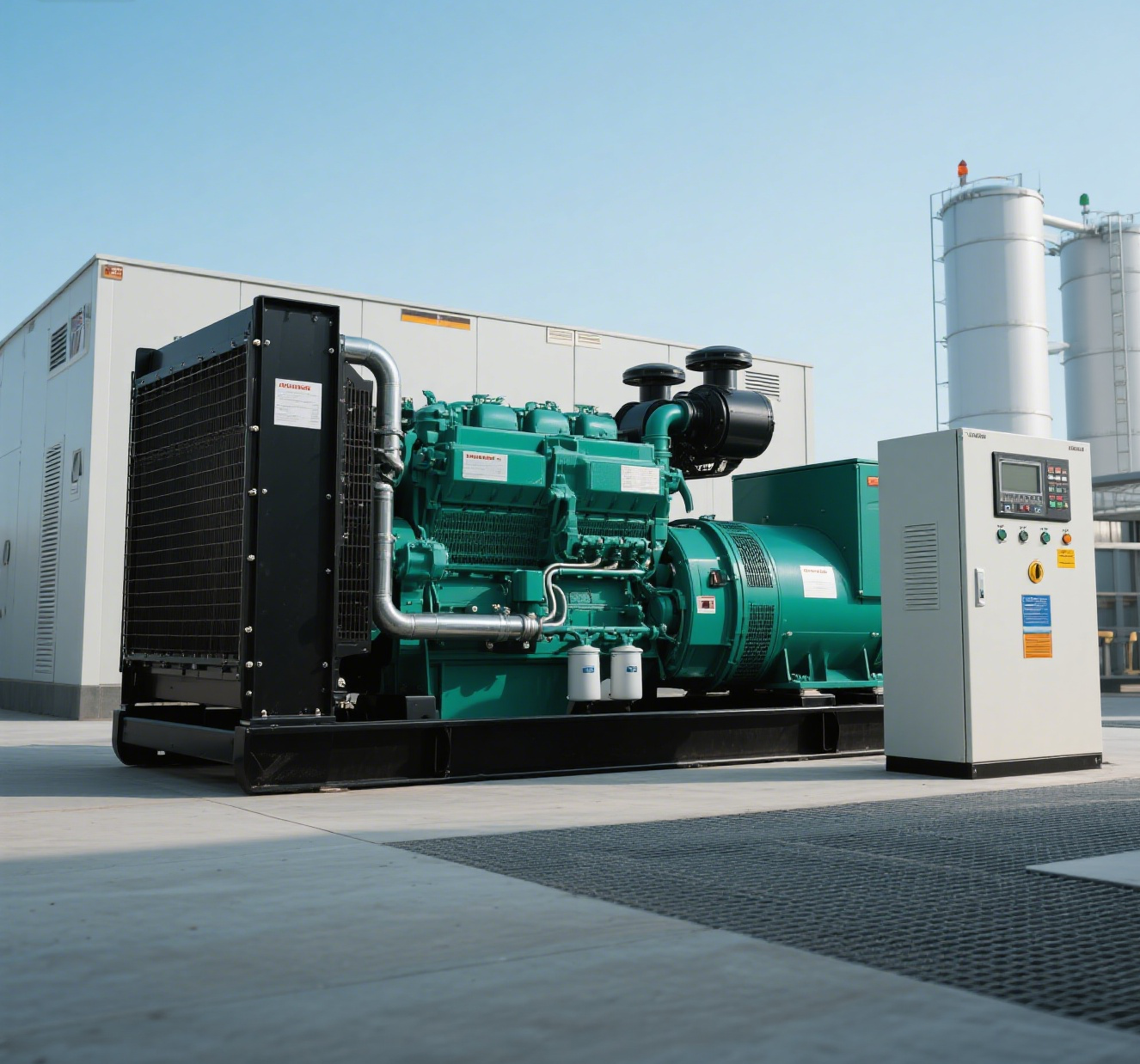
Both fuels are transforming industrial energy use, replacing coal, oil, and traditional gas pipelines. CNG supports distributed manufacturing—powering forklifts, generators, and onsite boilers in factories, warehouses, and food processing plants with lower NOx and SOx emissions. LNG drives high-intensity industrial processes, such as glass melting, metal smelting, and cement production, where its concentrated energy and clean combustion ensure precise temperature control. For off-grid mines, islands, and remote sites, LNG arrives via "virtual pipelines" (cryogenic tankers), while CNG is transported in tube trailers—both eliminating costly pipeline infrastructure and providing reliable, cleaner energy.
The future synergy of CNG and LNG lies in sustainability and infrastructure agility. Renewable natural gas (RNG)—produced from landfills, farms, and wastewater—can be compressed as biomethane-CNG or liquefied as bio-LNG, creating carbon-neutral cycles. Hybrid microgrids combine LNG for baseload power with CNG for backup, enhancing grid resilience. As hydrogen adoption grows, LNG terminals and CNG stations are poised to integrate green hydrogen blending and refueling, future-proofing investments. With governments incentivizing methane abatement and net-zero goals, CNG and LNG remain pivotal transition fuels—scalable, infrastructure-ready, and key to decarbonizing transport and heavy industry.