LNG Liquefied: The Future of Clean & Efficient Energy Solutions
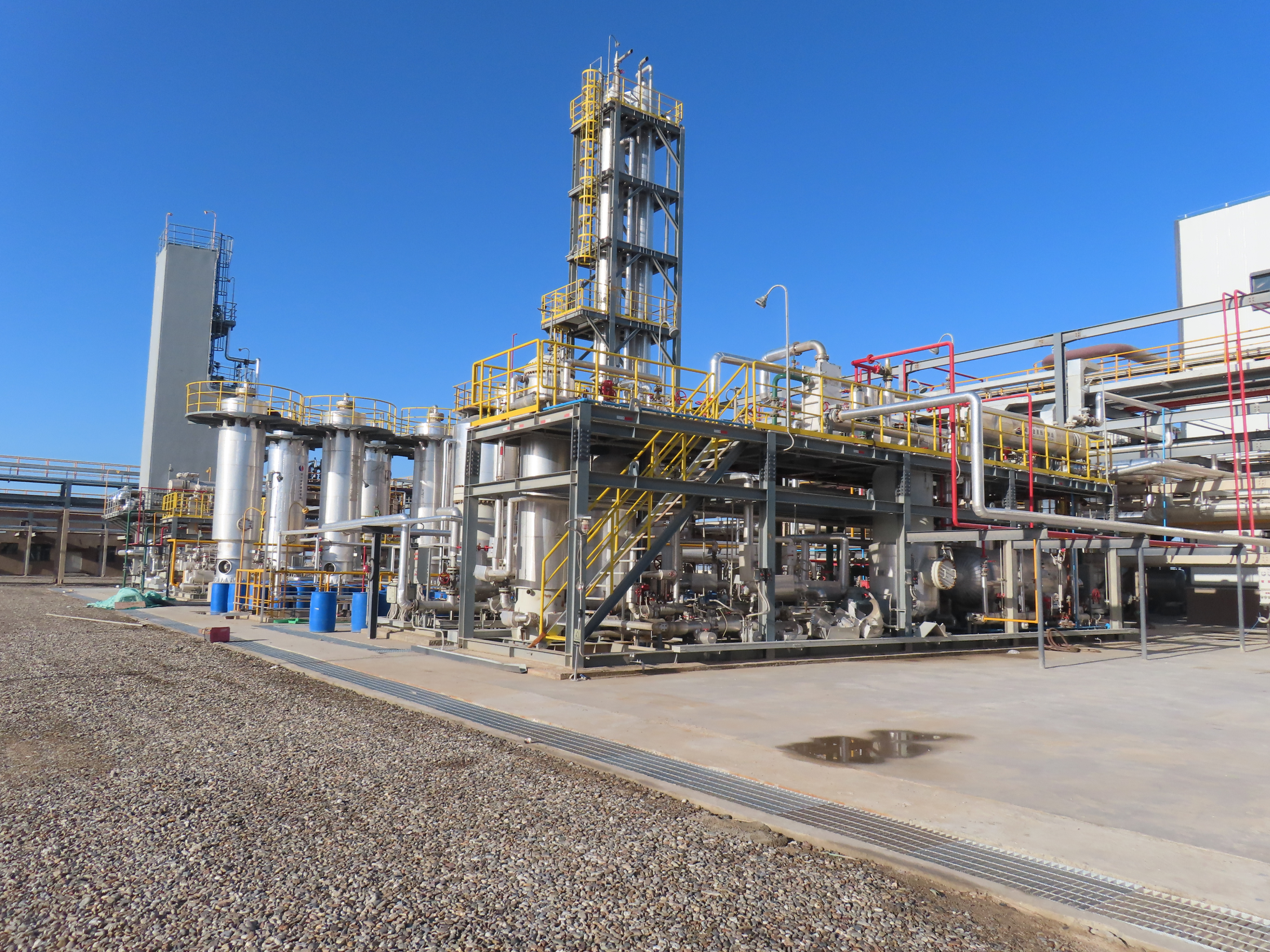
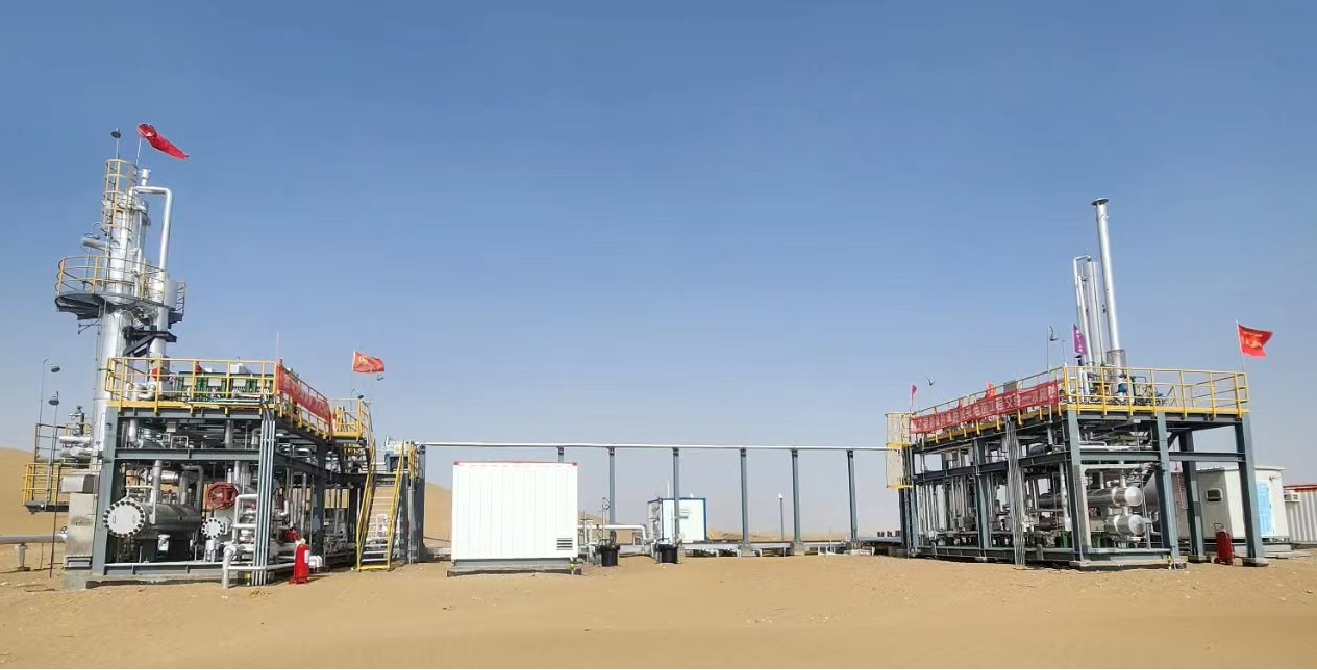
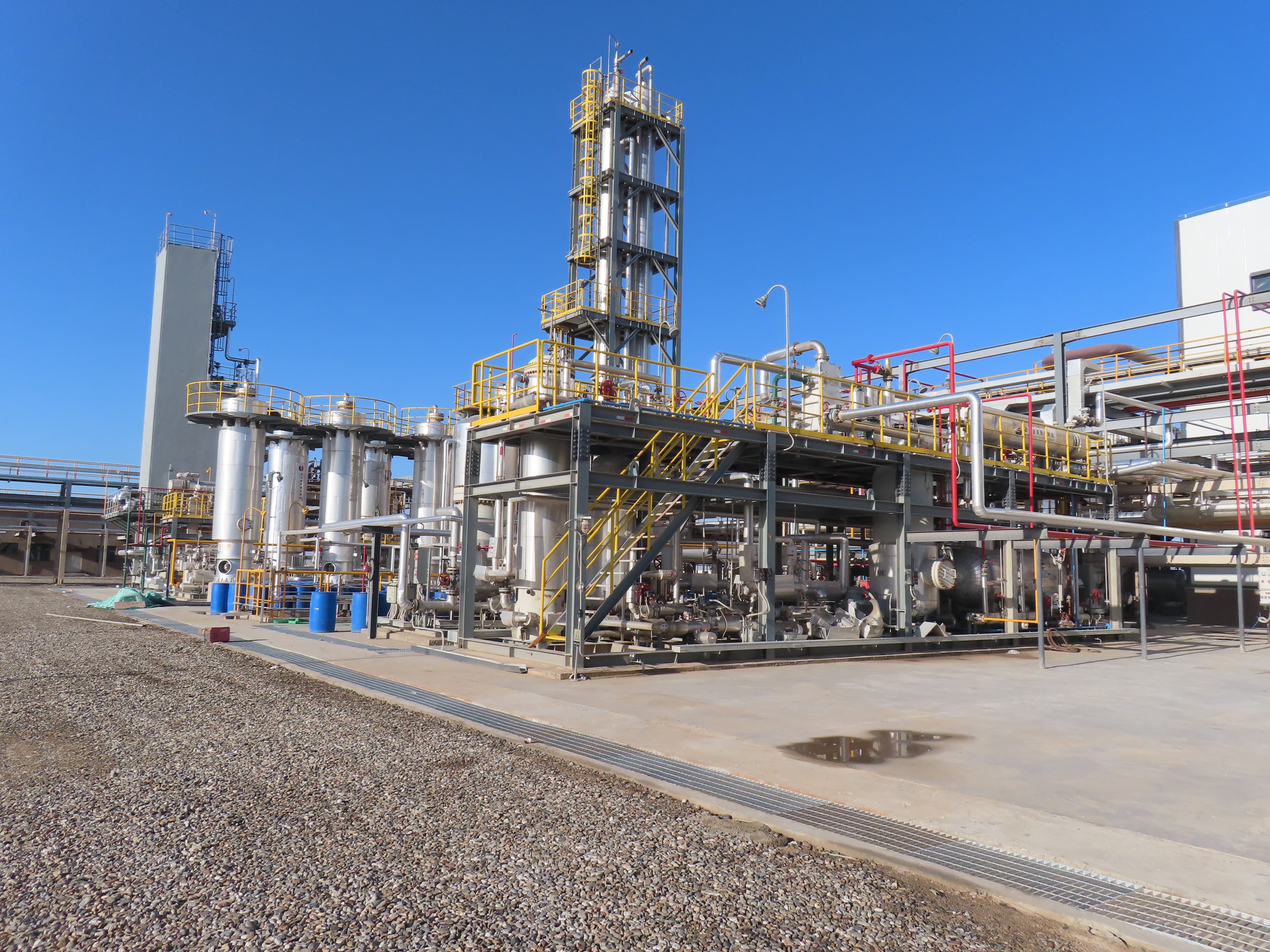
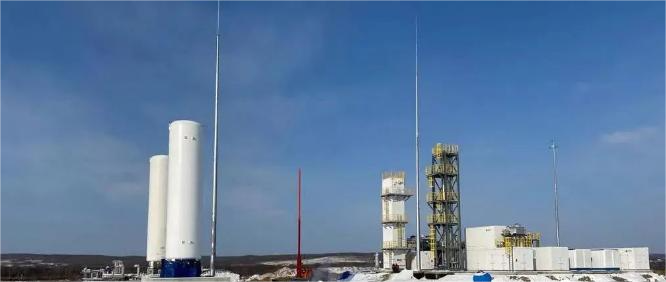
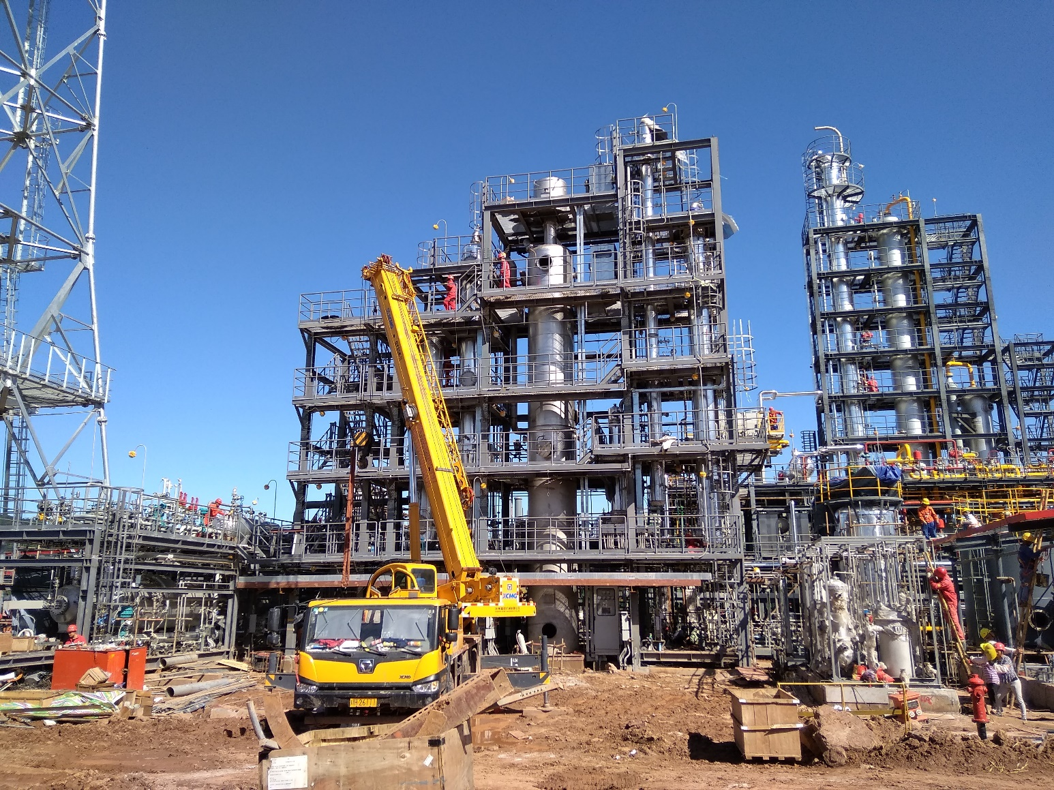
LNG liquefied is transforming global energy markets by enabling the safe and efficient transport of natural gas across continents. By cooling natural gas to -162°C (-260°F), it becomes 600x more compact, making it ideal for shipping to regions without pipeline access. This technology powers electricity generation, industrial processes, and heating systems, reducing reliance on coal and oil while cutting CO₂ emissions. As countries push for energy diversification and lower-carbon alternatives, LNG liquefied is becoming a cornerstone of sustainable energy strategies.
The transportation sector is rapidly adopting LNG liquefied as a cleaner fuel for heavy-duty applications. In maritime shipping, LNG meets strict emissions regulations, reducing sulfur and particulate pollution by over 90%. Trucking fleets and rail networks are also transitioning to LNG liquefied for its cost efficiency and environmental benefits. Emerging markets, including mining and aviation, are exploring its potential to decarbonize operations. With expanding bunkering and refueling infrastructure, LNG liquefied is set to play a key role in the future of low-emission transport.
Industrial and commercial sectors benefit from LNG liquefied’s versatility and reliability. Factories use it for high-temperature processes in steel, glass, and chemical production, while food processors rely on LNG-powered cooling and freezing systems. Small-scale LNG solutions deliver energy to off-grid locations, hospitals, and data centers, ensuring uninterrupted operations. As renewable LNG (bio-LNG) and hydrogen blending advance, LNG liquefied will remain a critical component of the global energy transition, balancing sustainability with industrial demand.
Copyright © Sichuan RongTeng Automation Equipment Co., Ltd. — Privacy Policy