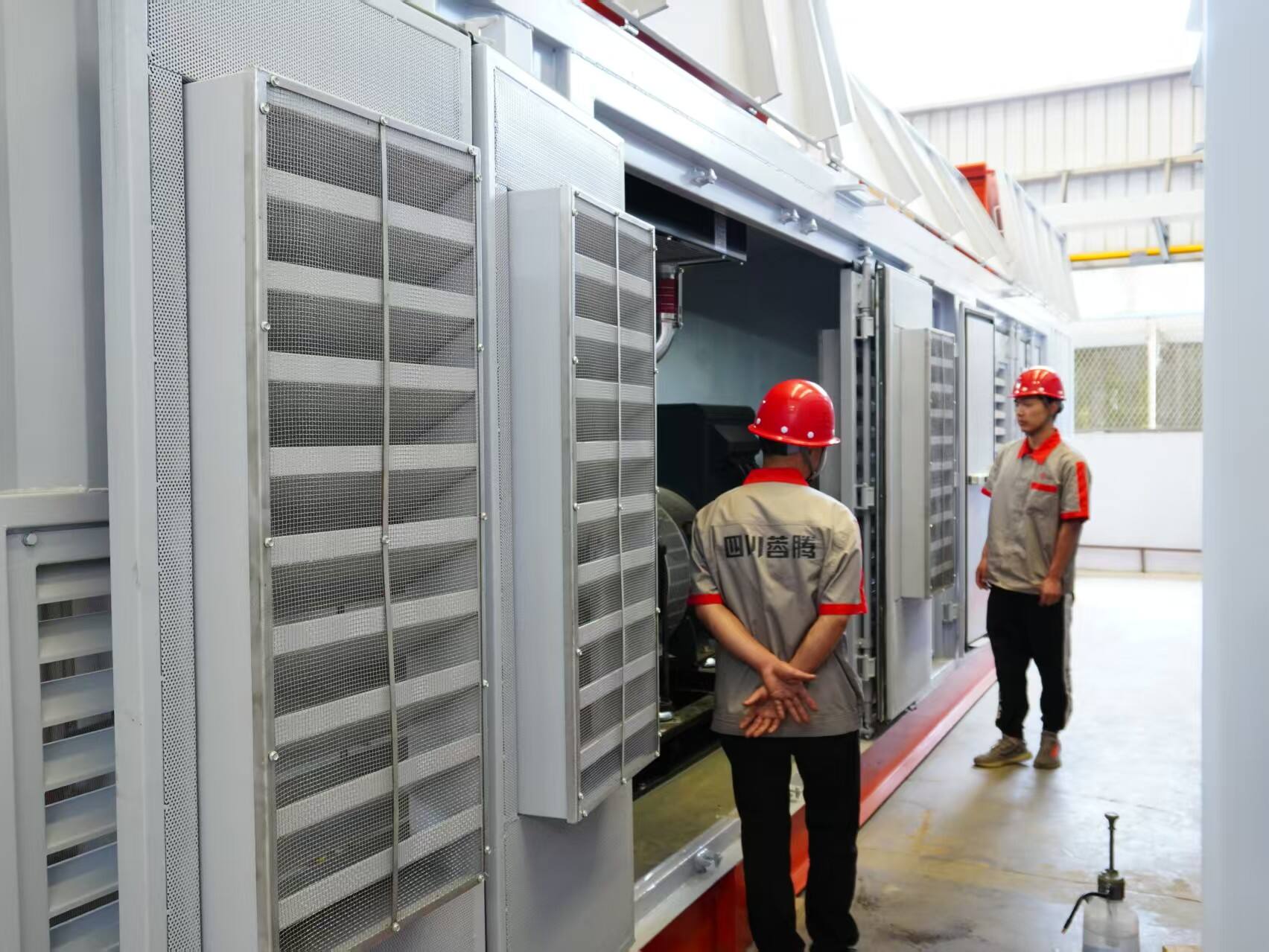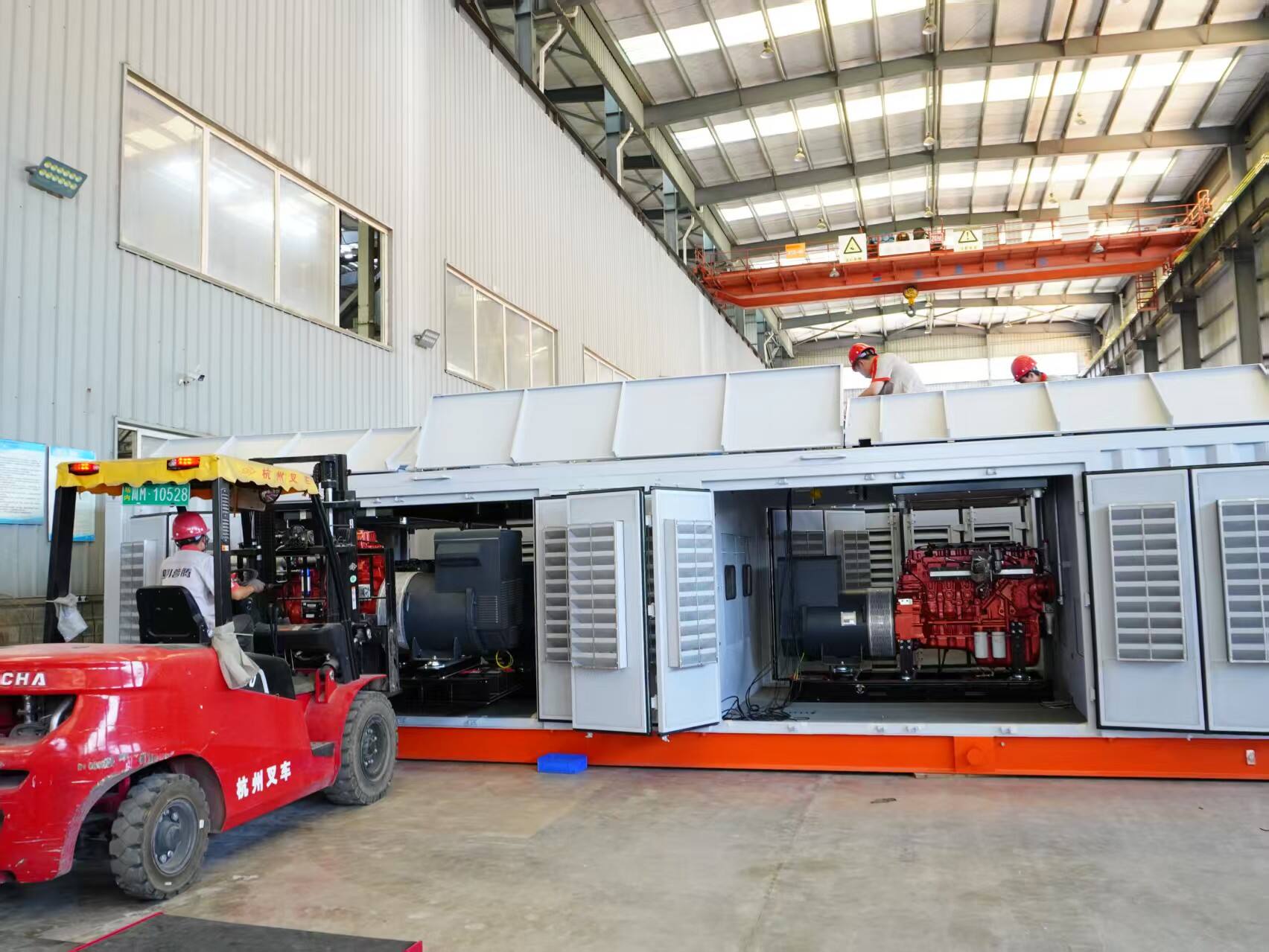
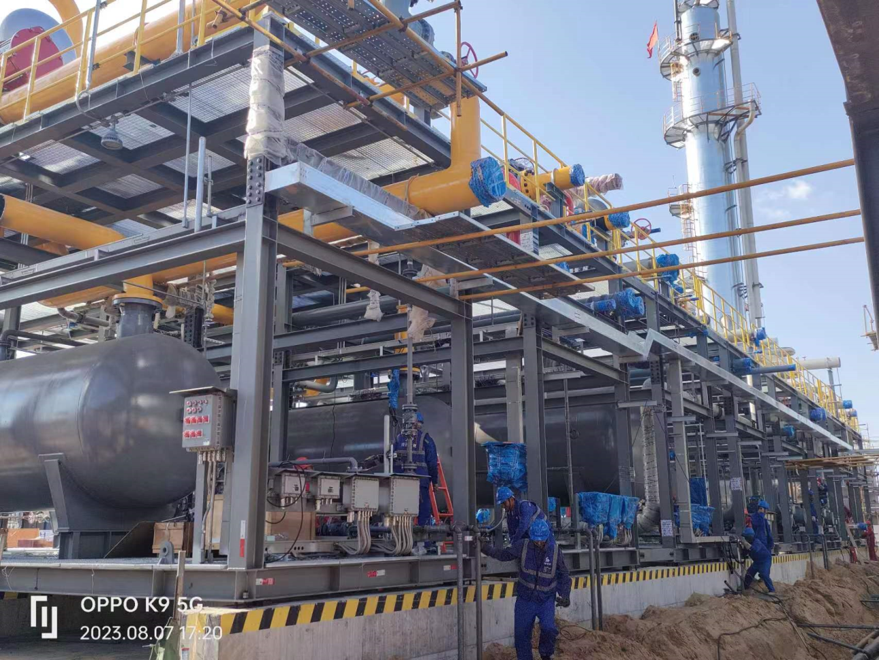
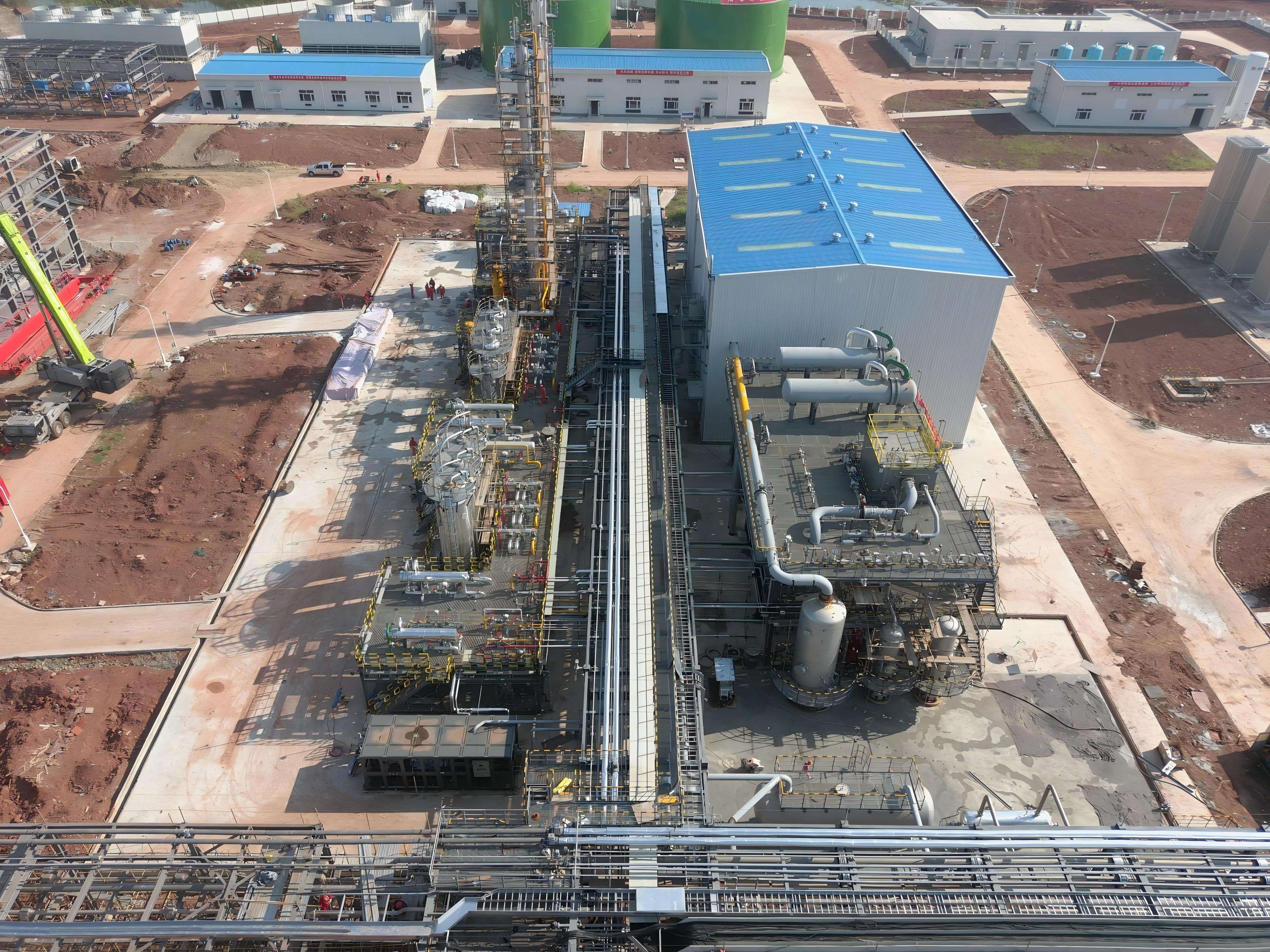
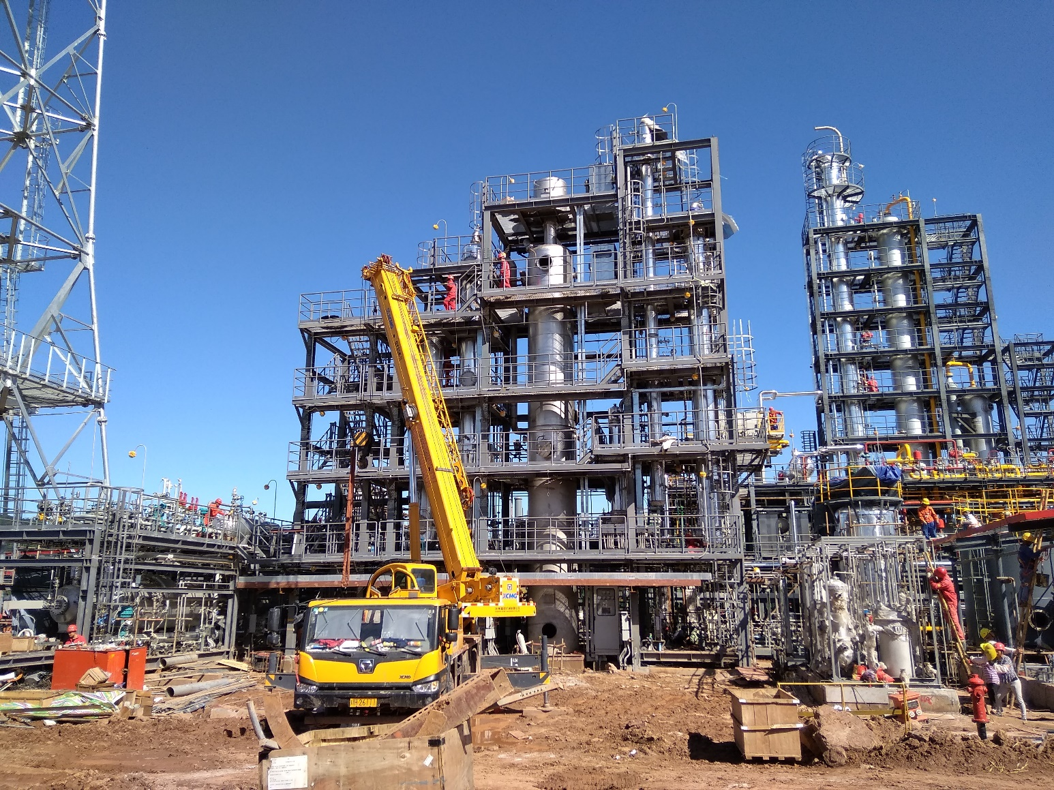
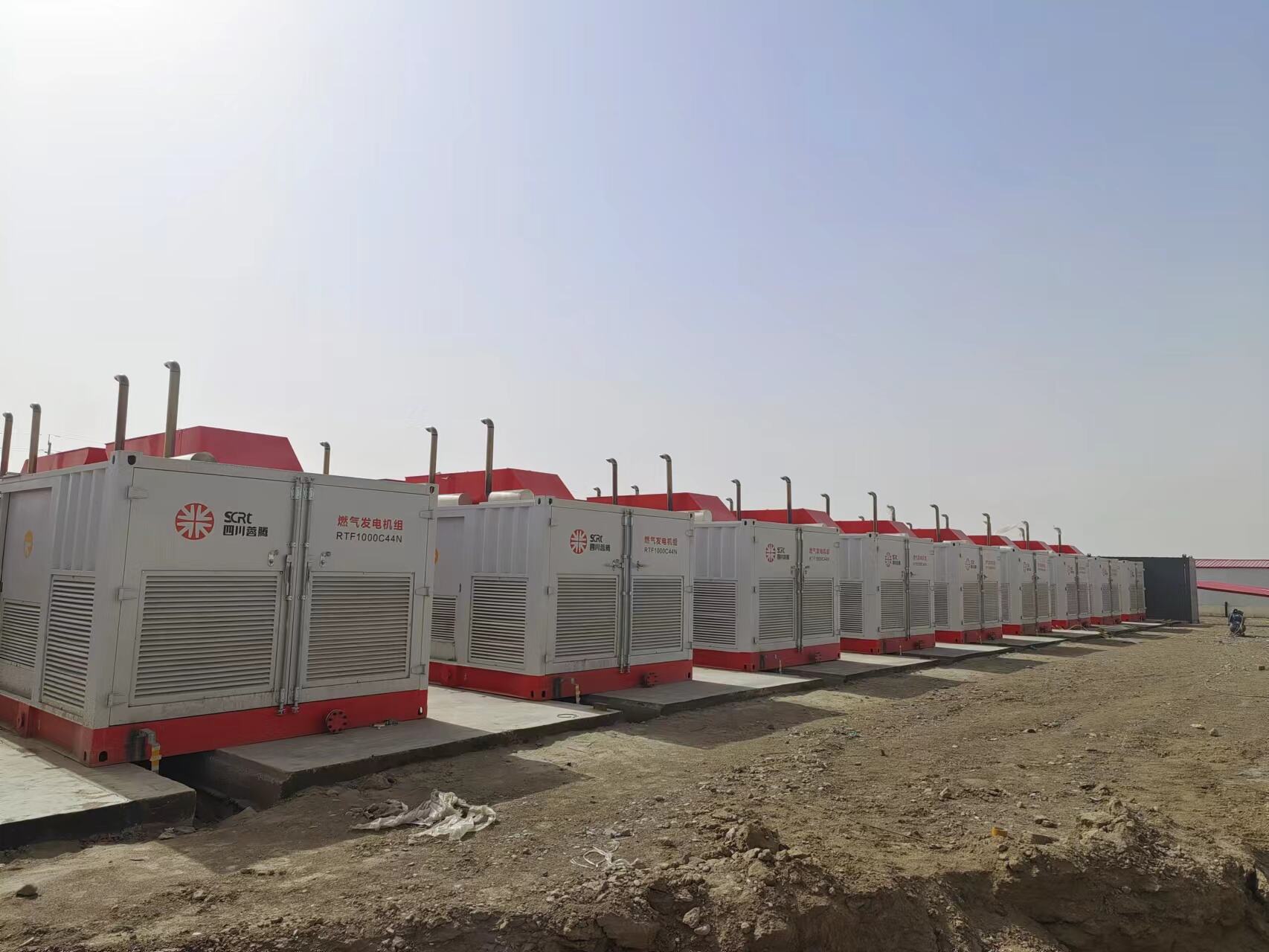
LNG is revolutionizing global energy generation as a critical transition fuel and backup power solution. Its high energy density and transportability make it ideal for powering gas-fired electricity plants, especially in regions lacking pipeline infrastructure. Utilities leverage LNG for peak shaving during high demand and as emergency backup for grids and critical facilities like hospitals. As renewables expand, LNG provides essential grid stability and rapid-response capacity, supporting the shift toward lower-carbon power generation while enhancing energy security worldwide.
Transportation is rapidly adopting LNG as a cleaner fuel alternative for heavy-duty sectors. In shipping, LNG slashes sulfur oxide (SOx) emissions by 99% and significantly cuts nitrogen oxides (NOx) and particulates, helping vessels comply with IMO 2020 regulations. The trucking industry uses LNG for long-haul fleets, reducing carbon footprints versus diesel. Emerging markets include LNG-powered locomotives, mining vehicles, and even aviation. With tightening emissions standards and ESG goals, LNG’s role in decarbonizing heavy transport continues to accelerate.
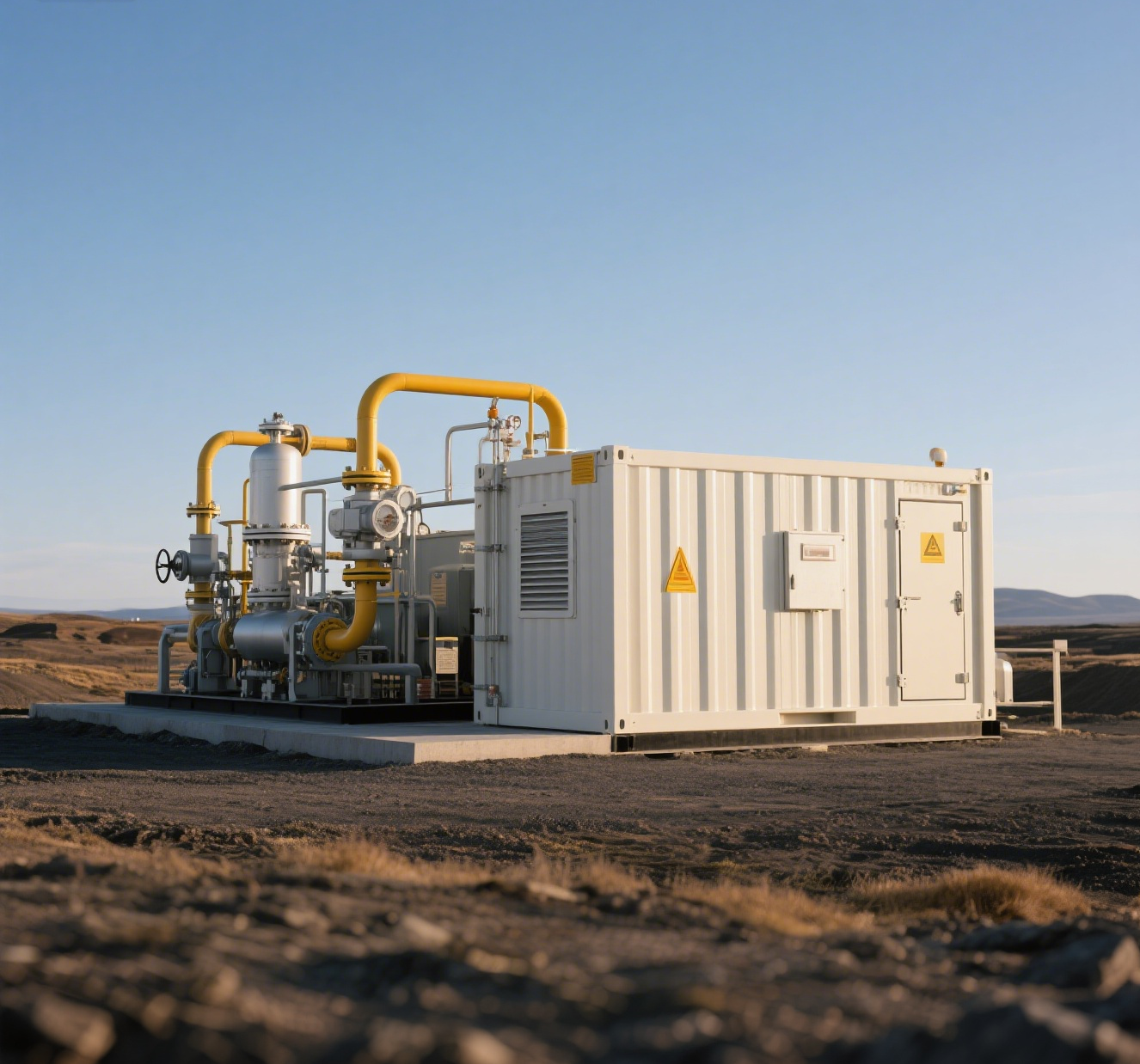
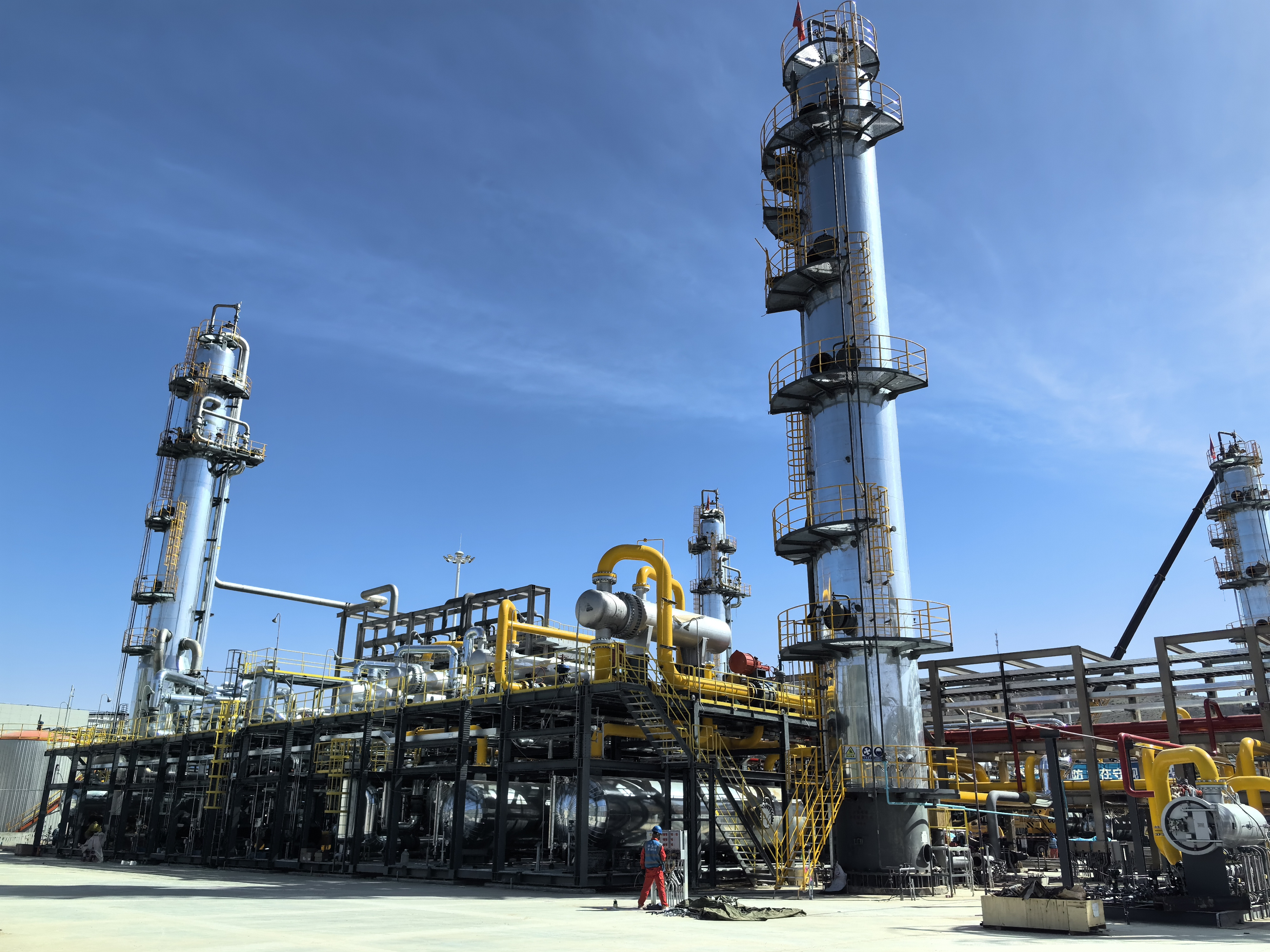
Industrial applications rely on LNG for high-heat processes and feedstock versatility. Manufacturing sectors like glass, steel, ceramics, and food processing use LNG for its consistent, controllable combustion in furnaces and kilns. As a chemical feedstock, LNG is cracked to produce hydrogen, ammonia, methanol, and plastics. Remote mines and islands deploy small-scale LNG solutions to replace diesel, cutting costs and emissions. The rise of virtual pipelines (ISO containers) now delivers LNG to off-grid industrial clusters, enabling sustainable operations without pipeline access.
Copyright © Sichuan RongTeng Automation Equipment Co., Ltd. — Privacy Policy