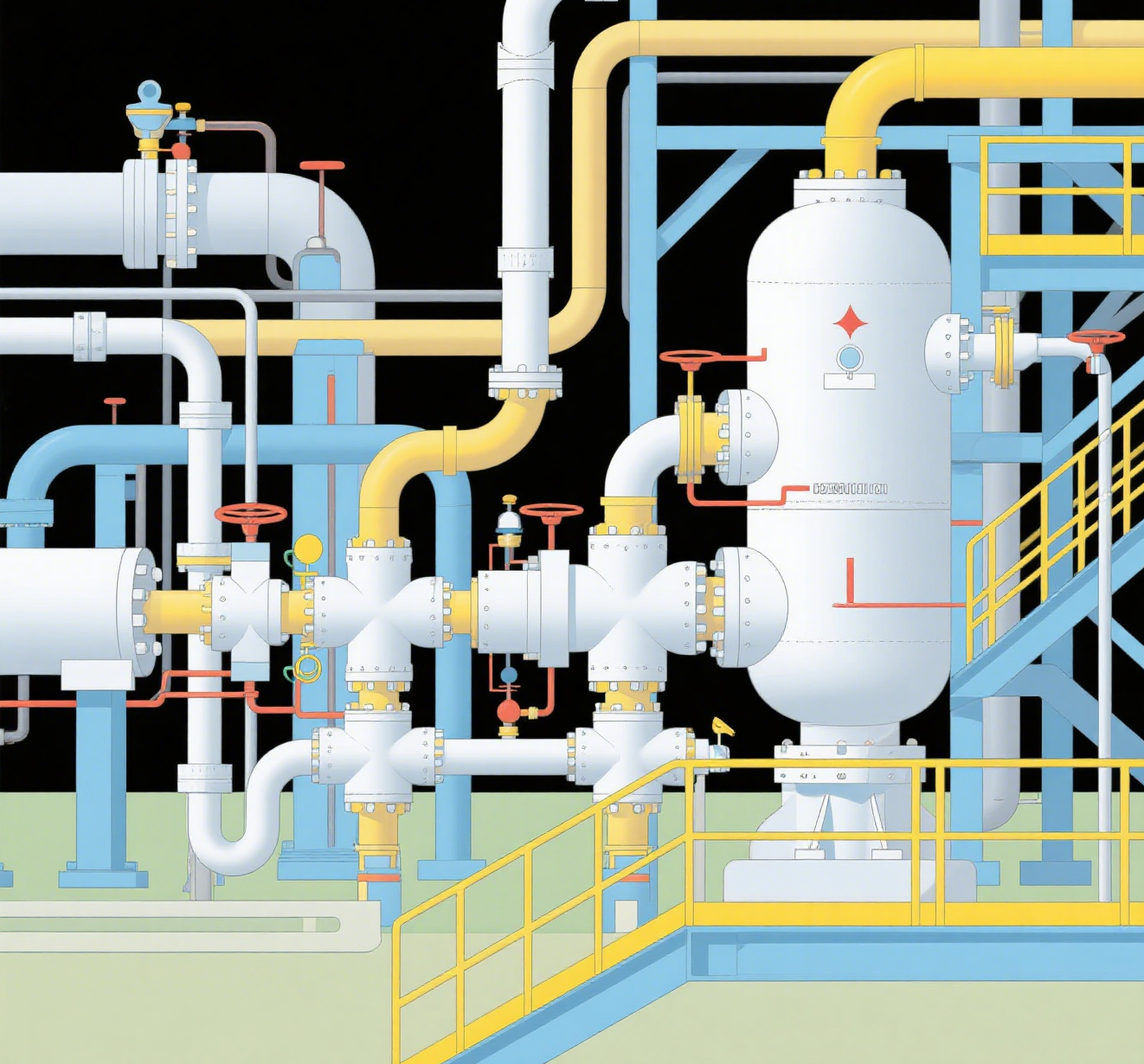
Converting LNG to Natural Gas: Regasification Solutions & Equipment

Converting LNG to Natural Gas | Regasification Process Explained​

Converting LNG to Natural Gas | Regasification Process Explained​

Learn how liquefied natural gas (LNG) is converted back to natural gas through regasification. Explore the process, equipment & applications.​
Get A Quote

Advantages of Converting LNG to Natural Gas

Driving the Process of Decarbonization

As one of the fossil fuels with the lowest carbon emissions intensity, LNG combustion can significantly reduce sulfur oxide (SOx) and particulate matter (PM) emissions (to near zero) and effectively reduce nitrogen oxide (NOx) and carbon dioxide (CO2) emissions.

Design

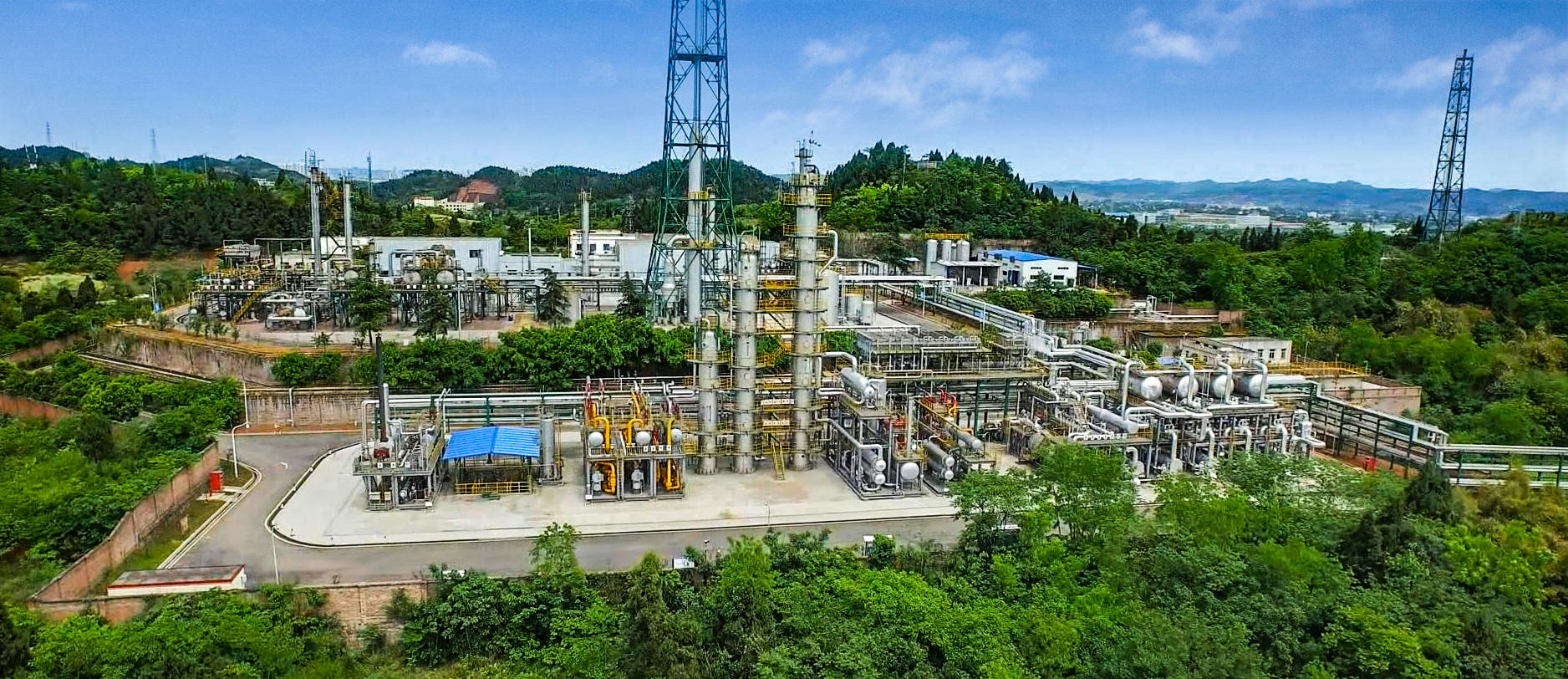
The company places great emphasis on independent product innovation and technical research and development, with its technical capabilities ranking among the top in the industry.

Diversified Terminal Application

LNG has broad downstream compatibility and can be used as a primary fuel for efficient gas turbine power generation, large-scale industrial heating (such as glass and ceramics), heavy transport (ship fuel/LNG trucks), and urban gas peak shaving.

Manufacture

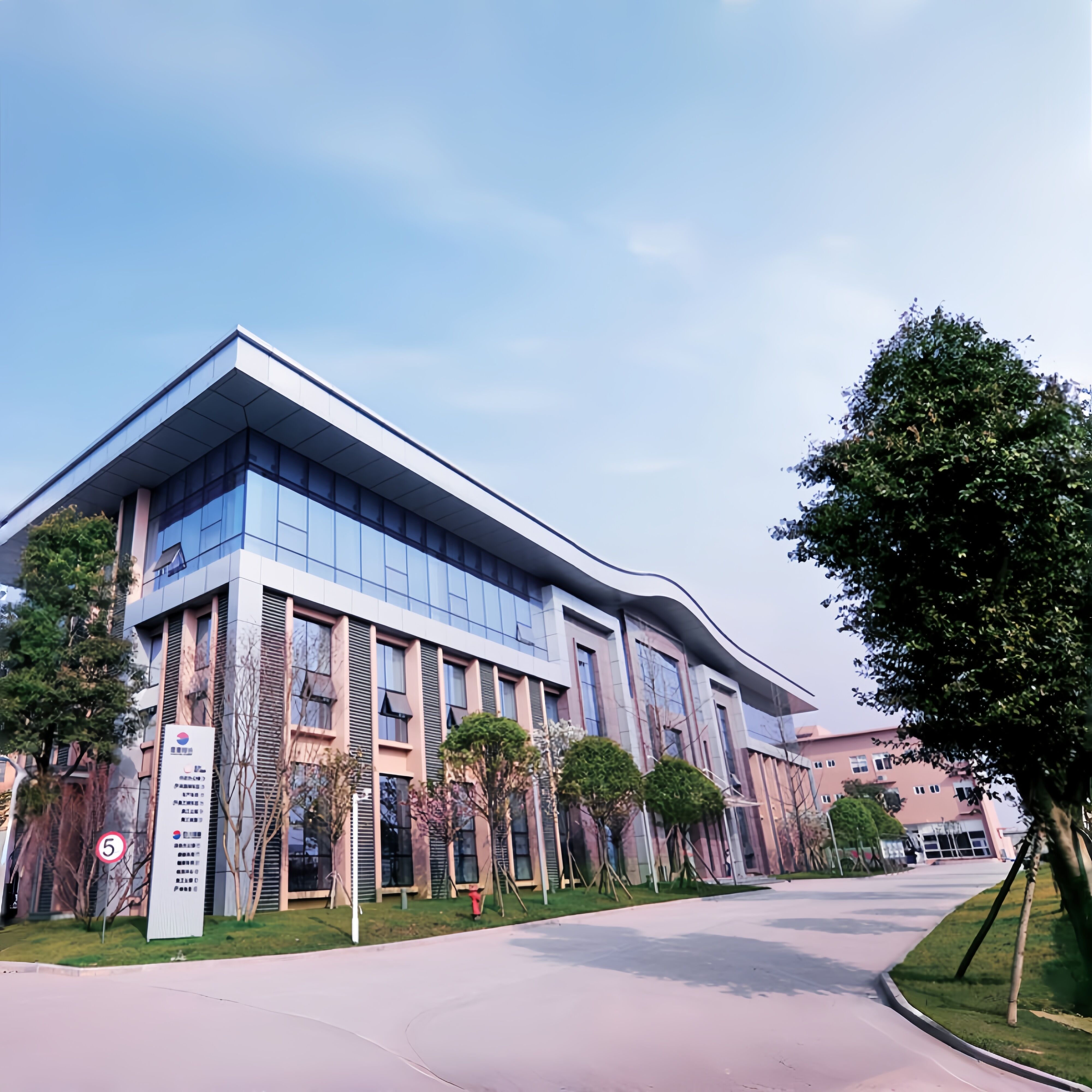
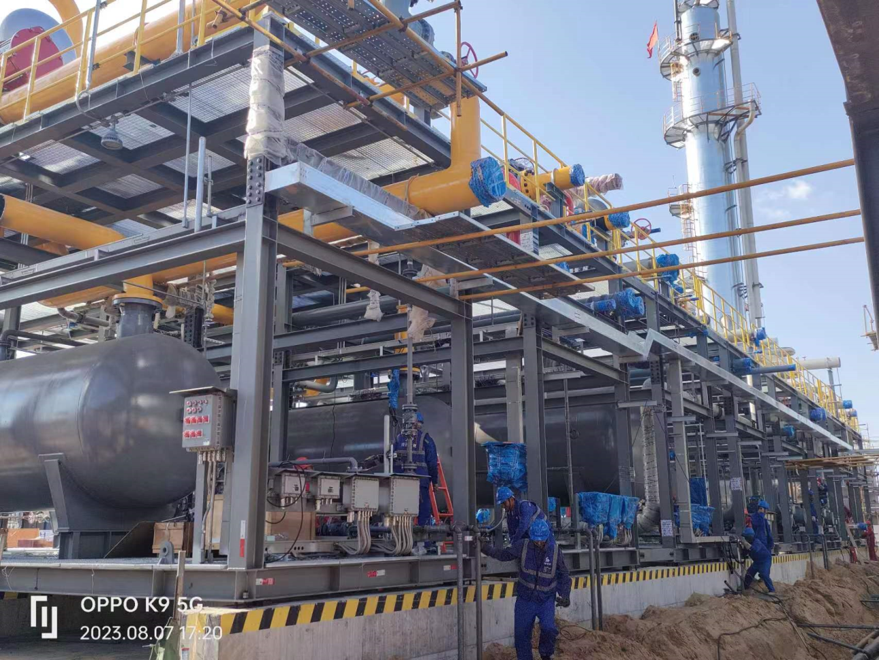
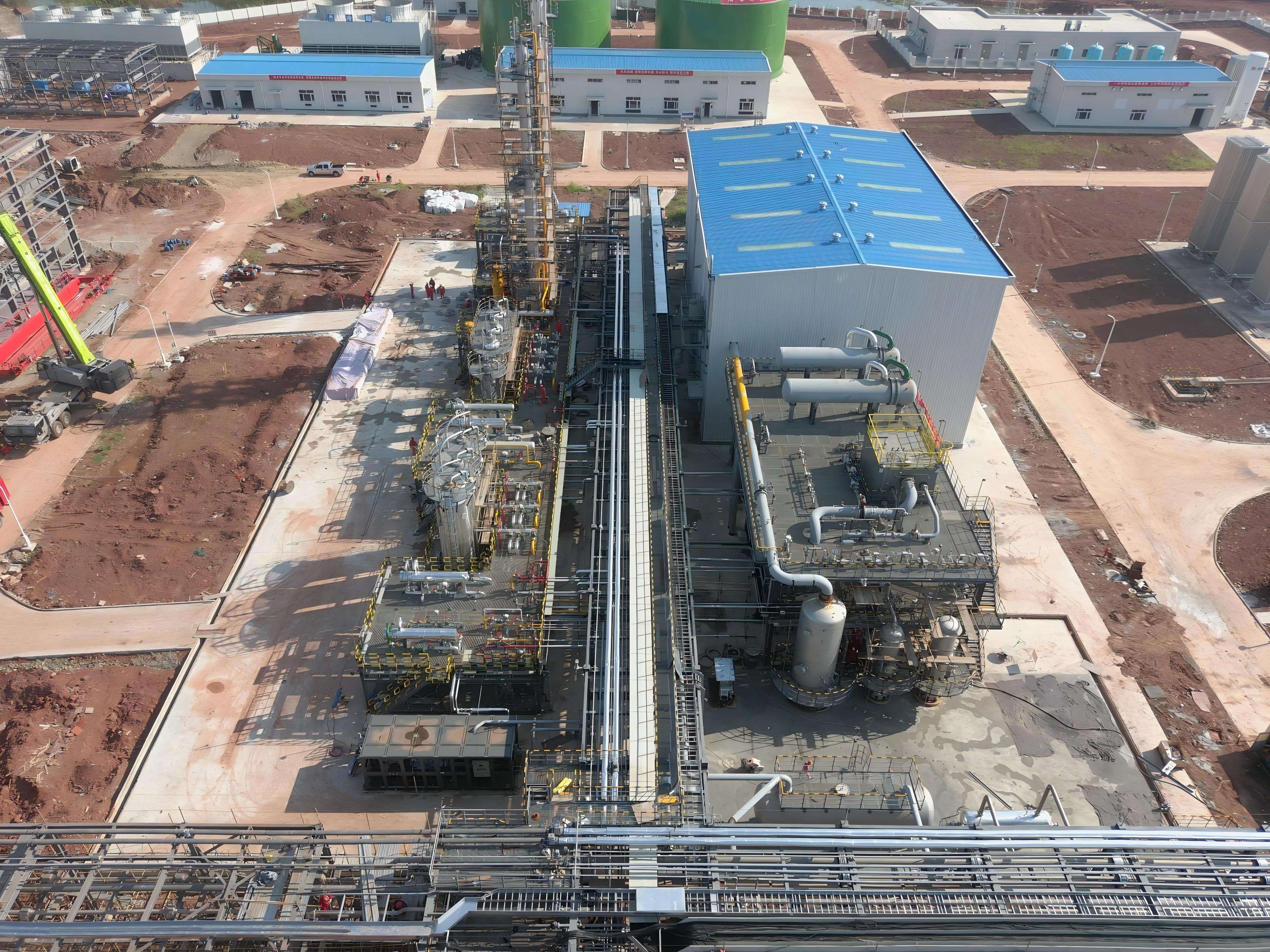
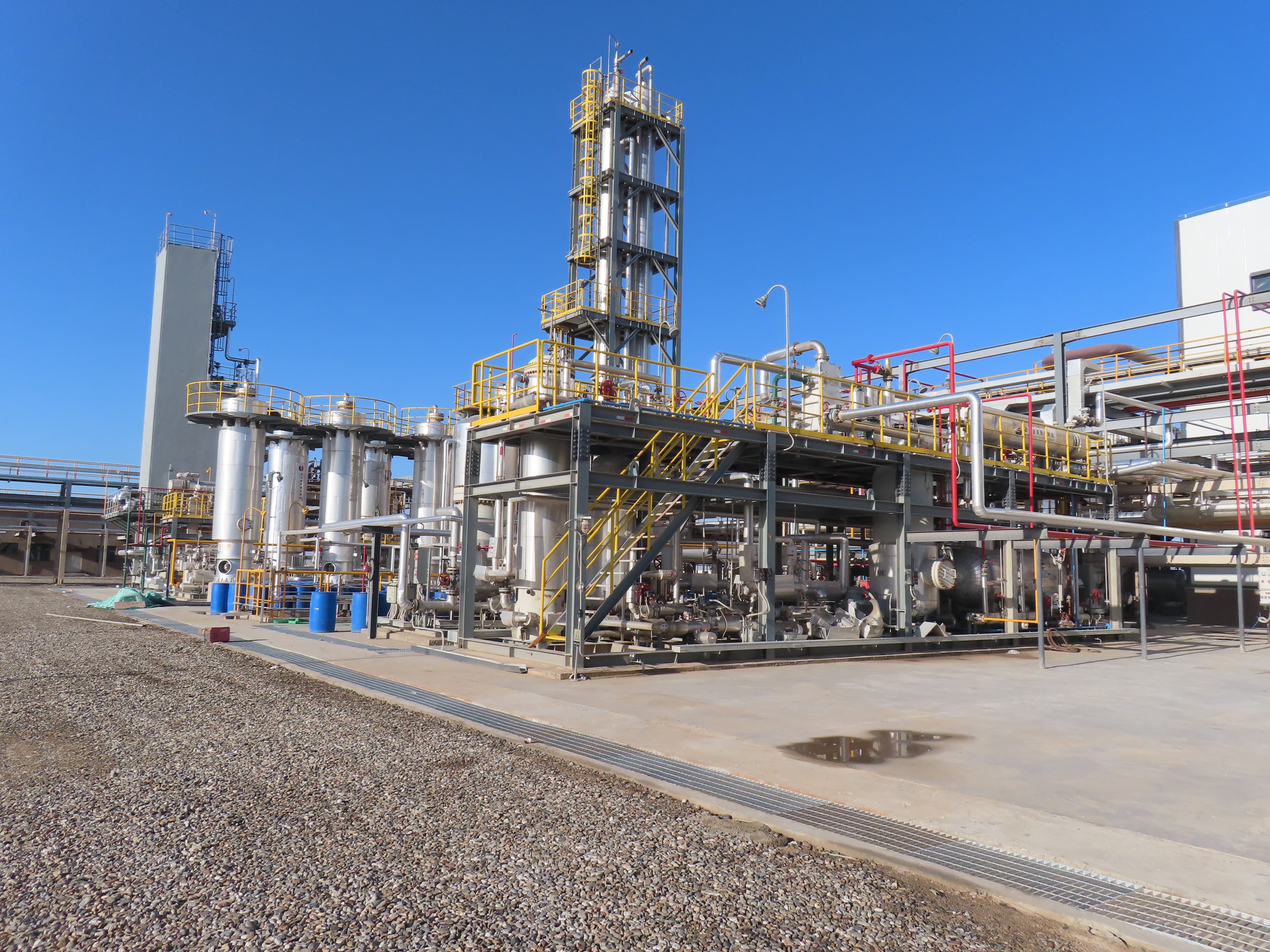
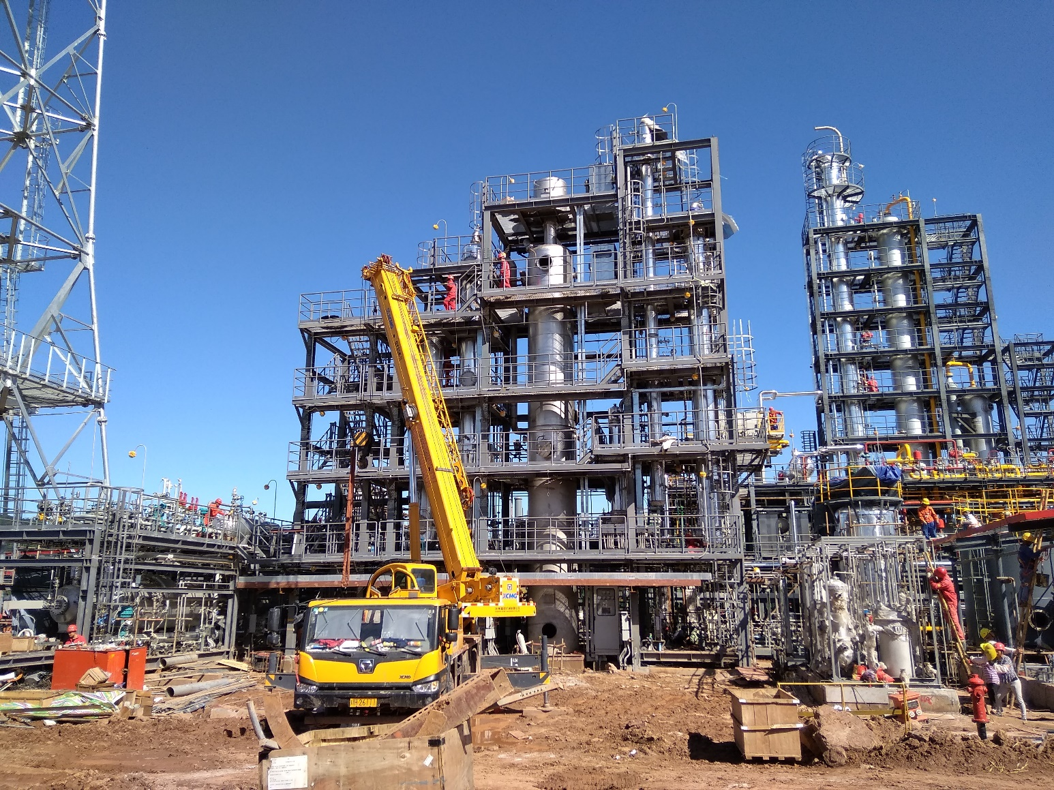
The company covers an area of 90 mu, with the workshop area exceeding 30,000 ㎡. Equipped with professional manufacturing team, it is capable of fulfilling multiple customer orders and ensuring timely supply.

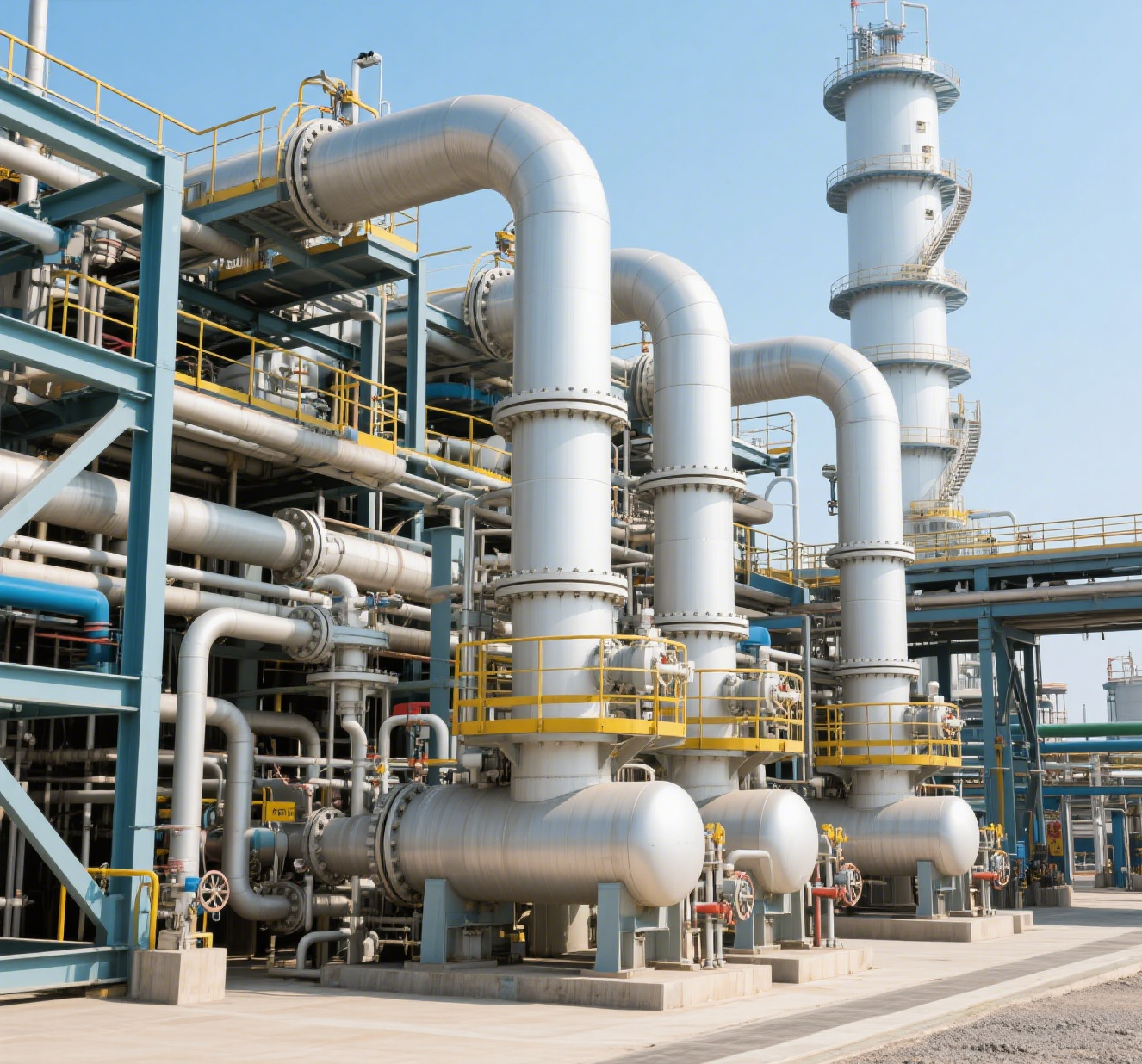
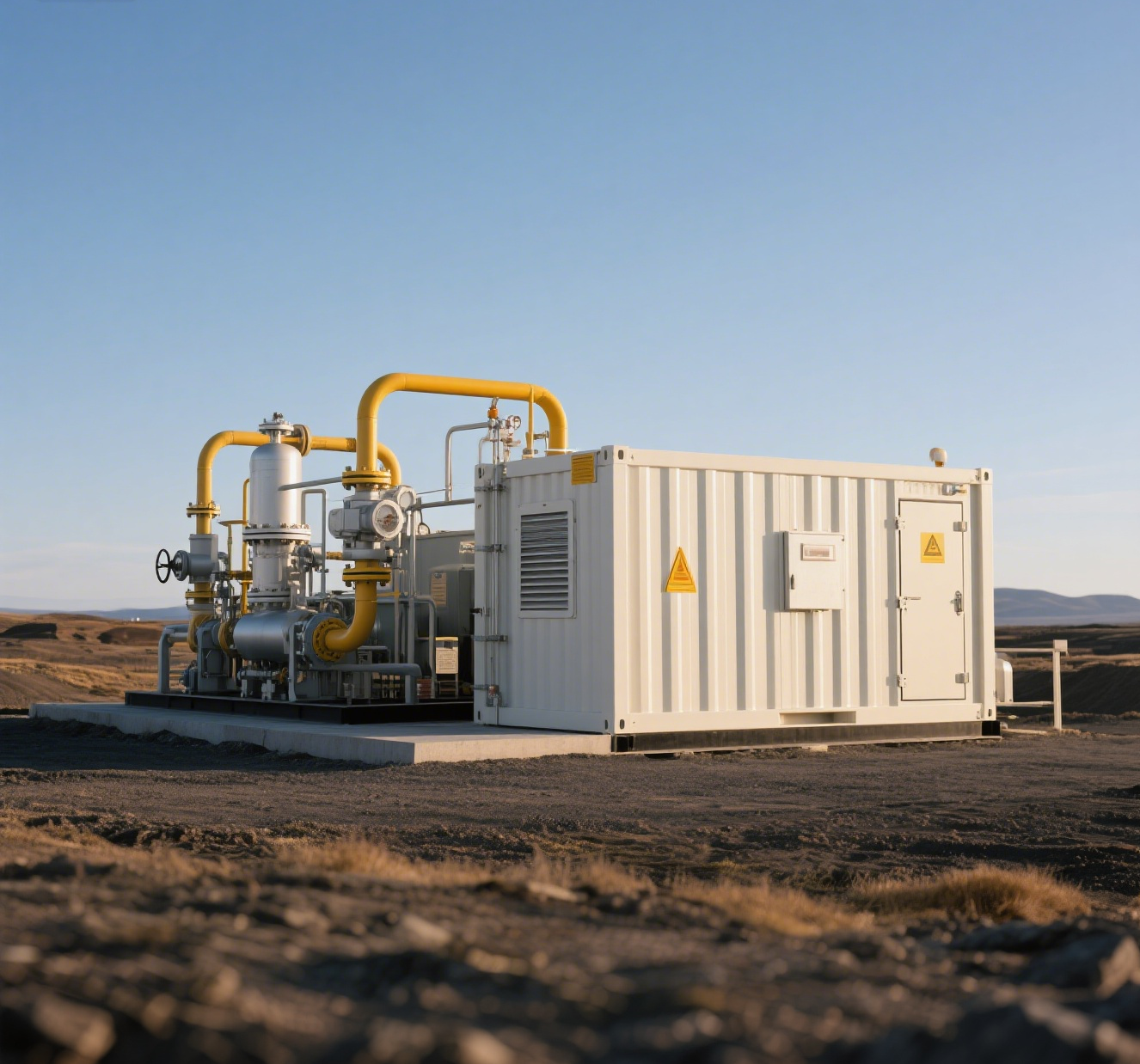
Advanced LNG Regasification Technology – Turning LNG into Natural Gas​

Converting LNG to Natural Gas: Enabling Clean Energy Access Across Industries

      Power generation and utilities rely on LNG-to-natural gas conversion to deliver flexible, low-emission energy. When LNG is regasified at import terminals or satellite plants, it feeds gas-fired power stations, district heating systems, and industrial grids, ensuring stable supply during peak demand or pipeline shortages. This process is critical for remote communities and islands without pipeline access, where LNG acts as a virtual pipeline—providing cleaner energy than diesel while supporting renewable integration through fast-ramping backup power.

      Industrial applications leverage LNG vaporization for high-efficiency operations. Factories, chemical plants, and refineries use ambient air or water vaporizers to convert LNG back to natural gas, fueling boilers, furnaces, and combined heat and power (CHP) systems. The precise pressure and temperature control in these systems enable consistent energy output for glass, steel, and food processing industries. With lower emissions than coal or oil, regasified LNG helps heavy industries meet sustainability targets while maintaining production reliability.

      Transportation and emerging energy markets are adopting small-scale LNG-to-gas solutions. Trucking fleets and marine vessels use mobile regasification units to convert LNG into compressed natural gas (CNG) for refueling stations or onboard power. Meanwhile, hydrogen-ready LNG terminals are incorporating vaporization systems to blend natural gas with green hydrogen, creating low-carbon fuel mixes. As decarbonization accelerates, LNG-to-gas technology bridges the gap—providing scalable, infrastructure-compatible energy for a cleaner future.

FAQ

How does your company ensure order fulfillment efficiency?

Covering an area of 90 mu, the company has a production plant of over 30,000 square meters and is equipped with many experienced production personnel, ensuring timely and high-quality completion of multiple customer orders.
Our company can provide on-site training for the client's operating personnel and is equipped with a professional after-sales service team. We ensure that during the processes of installation, commissioning, and pre-running, any damaged or defective contract components or parts will be repaired or replaced free of charge
We have our own independent factory
The company covers an area of 90 mu, with a manufacturing workshop area of over 30,000 ㎡. Equipped with a professional manufacture team, it ensures timely and quantitative fulfillment of multiple orders demands from customer.

Our Latest News Display

How Natural Gas Liquefaction Works: Step-by-Step Process Explained

21

Jul

How Natural Gas Liquefaction Works: Step-by-Step Process Explained

Pre-Treatment Phase of Natural Gas Liquefaction Acid Gas Removal Techniques Acid gases such as CO₂ (carbon dioxide) and H₂S (hydrogen sulfide) are removed first in order to avoid pipeline corrosion and for safety reasons. Amine-based absorption syst...
View More
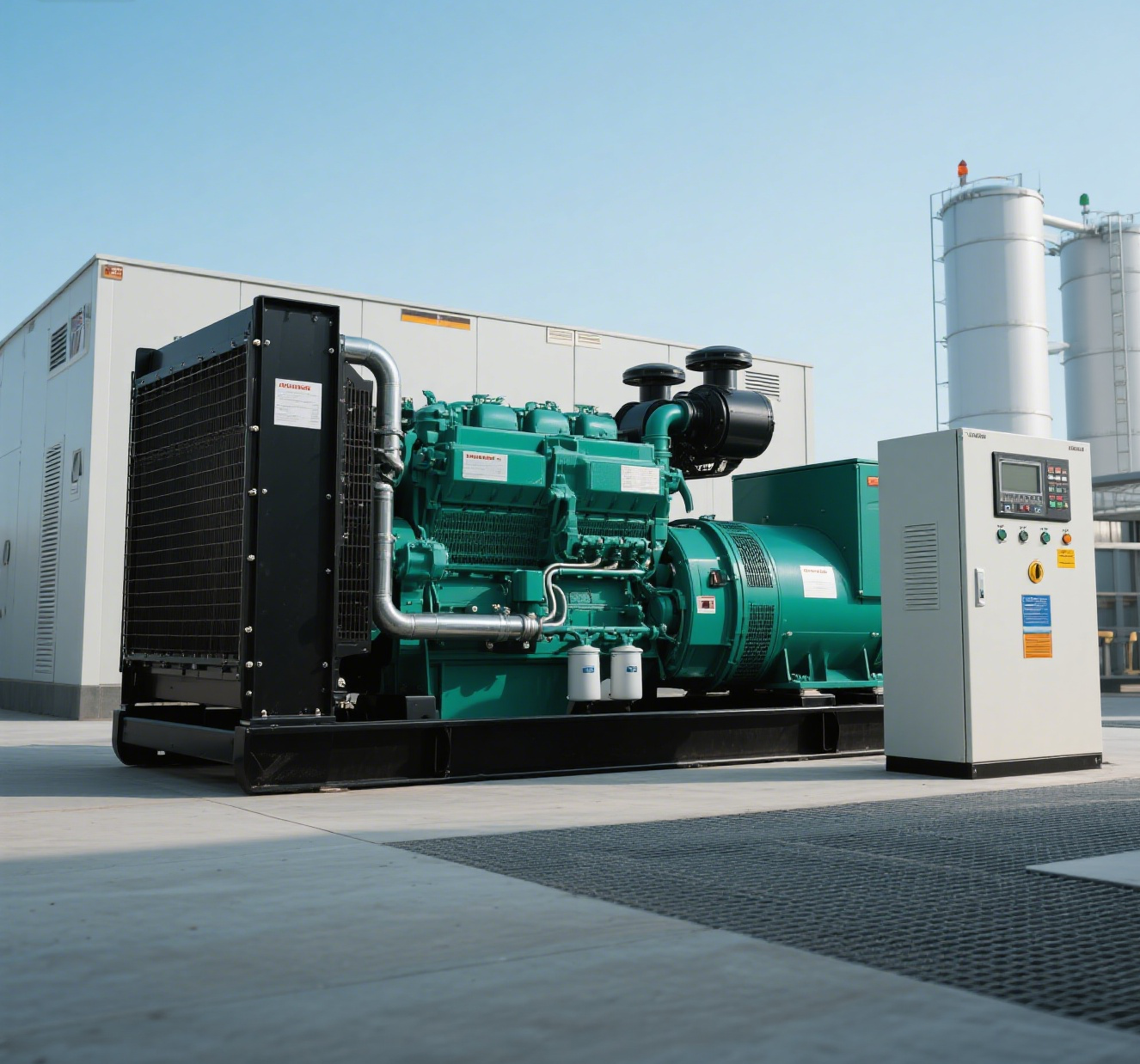
The Future of Gas Generator Sets in Sustainable Power Solutions

21

Jul

The Future of Gas Generator Sets in Sustainable Power Solutions

Gas Generator Sets Market Growth and Forecast The gas generator sets market is projected to grow at 6.5% CAGR from 2025 to 2035, expanding from $11.02 billion to $62.23 billion. This 467% increase is driven by rising demand for disaster-resilient po...
View More
Top 5 Technologies Used in Natural Gas Liquefaction Plants

21

Jul

Top 5 Technologies Used in Natural Gas Liquefaction Plants

Cascade Process in Natural Gas Liquefaction Multi-Stage Refrigeration Mechanics In the cascade process, LNG is produced in multiple steps of chilling which are applied to various refrigerants such as propane, ethylene and methane. These refrigerants...
View More
Modular Natural Gas Liquefaction Units: Compact Solutions for Remote Sites

21

Jul

Modular Natural Gas Liquefaction Units: Compact Solutions for Remote Sites

Technological Foundations of Natural Gas Liquefaction Units Natural gas liquefaction units combine cryogenic engineering with modular system design to achieve scalable energy solutions. These systems prioritize process efficiency while maintaining s...
View More

What Our Clients Are Saying

Mark Rodriguez
Mark Rodriguez

Your liquefied natural gas stabilized our regional power grid during peak demand. The consistent quality and cryogenic storage solutions ensured zero supply interruptions all winter.

Alex K.
Alex K.

Using liquefied natural gas as a transition fuel cut our carbon footprint by 35% while we phase in renewables. The consistent purity levels ensure our turbines run cleaner and require less maintenance.

Get a Free Quote

Our representative will contact you soon.
Email
Mobile / Whatsapp
Name
Company Name
Message
0/1000
Why Choose Us

Why Choose Us

Sichuan RongTeng Automation Equipment Co., Ltd., a wholly-owned subsidiary of Sichuan Jinxing Clean Energy Equipment Co., Ltd. has been a leading manufacturer in energy equipment solutions since its establishment in 2002. Our core products include: natural gas generation set, biogas generation set, combined heat and power unit, as well as natural gas liquefaction, purification, and various tail gas treatment unit.

Get a Free Quote

Our representative will contact you soon.
Email
Mobile / Whatsapp
Name
Company Name
Message
0/1000