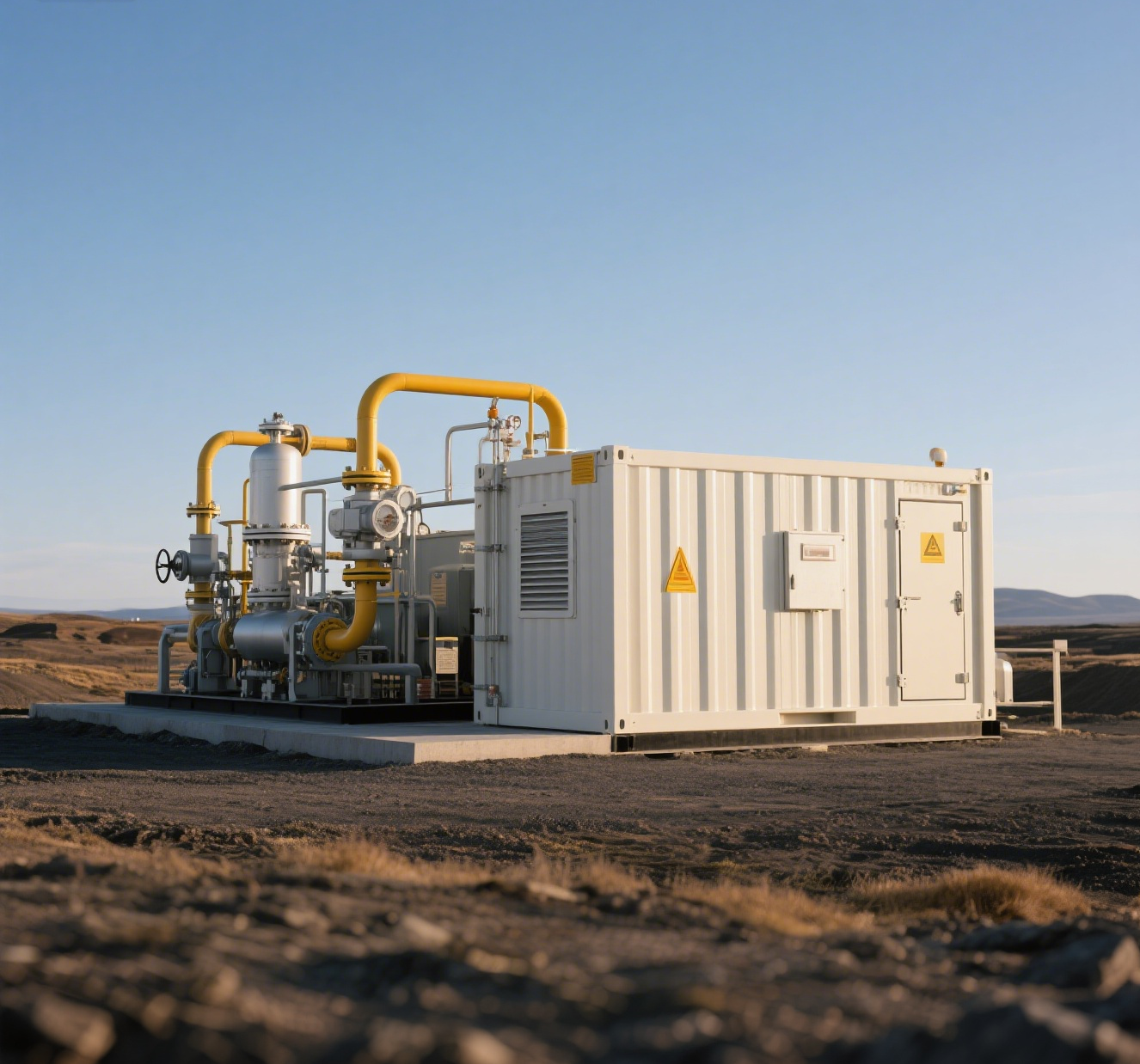
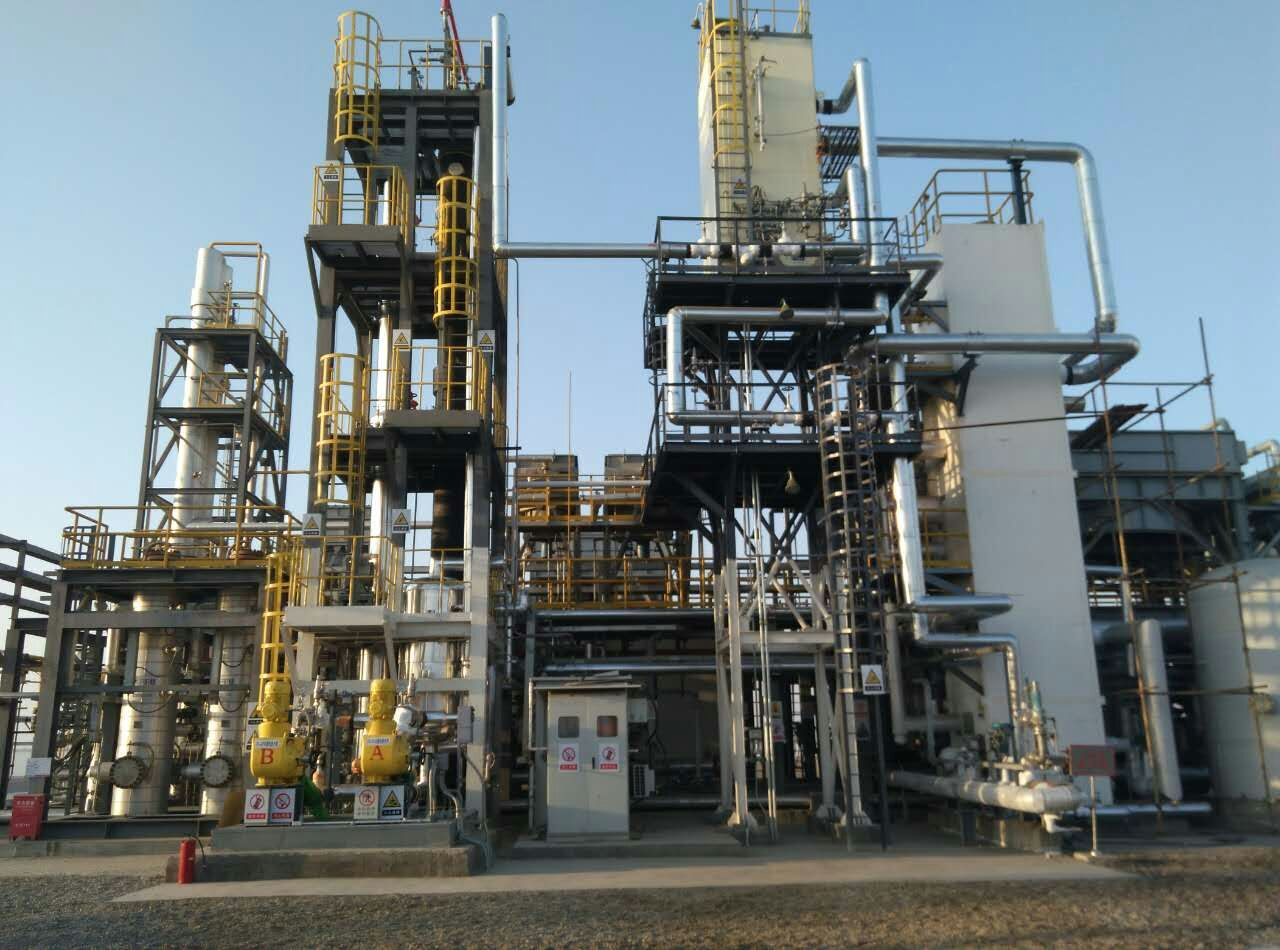
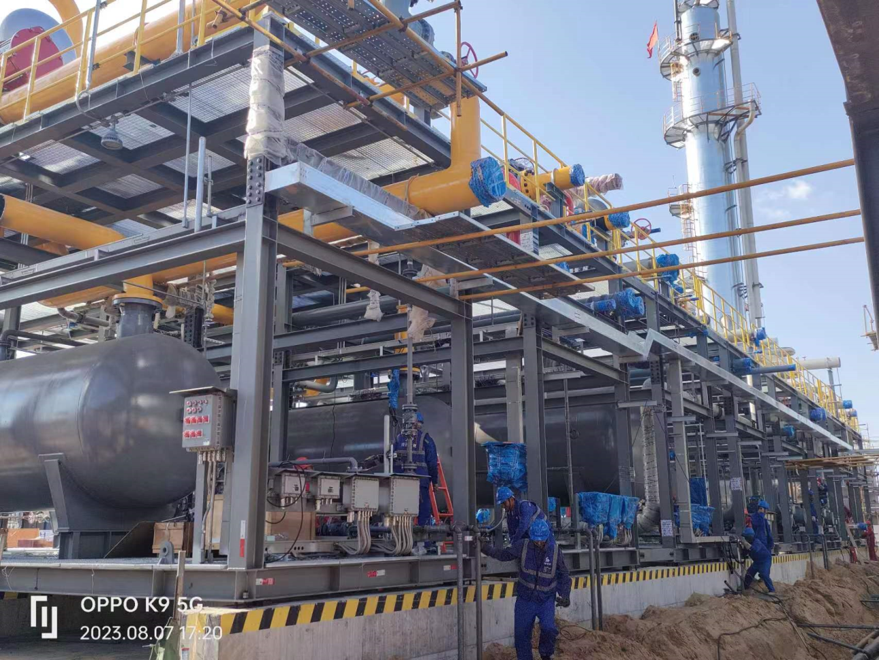
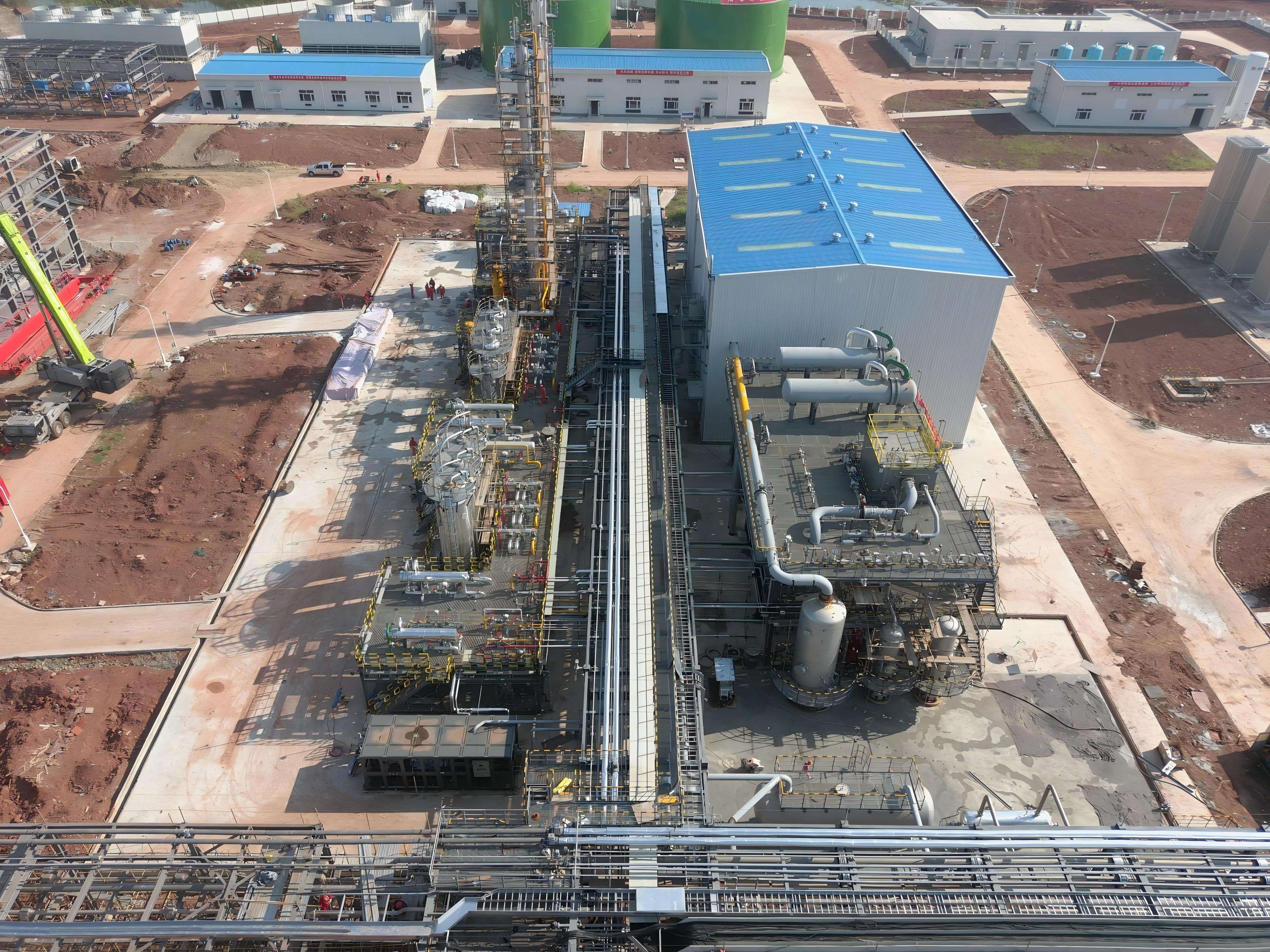
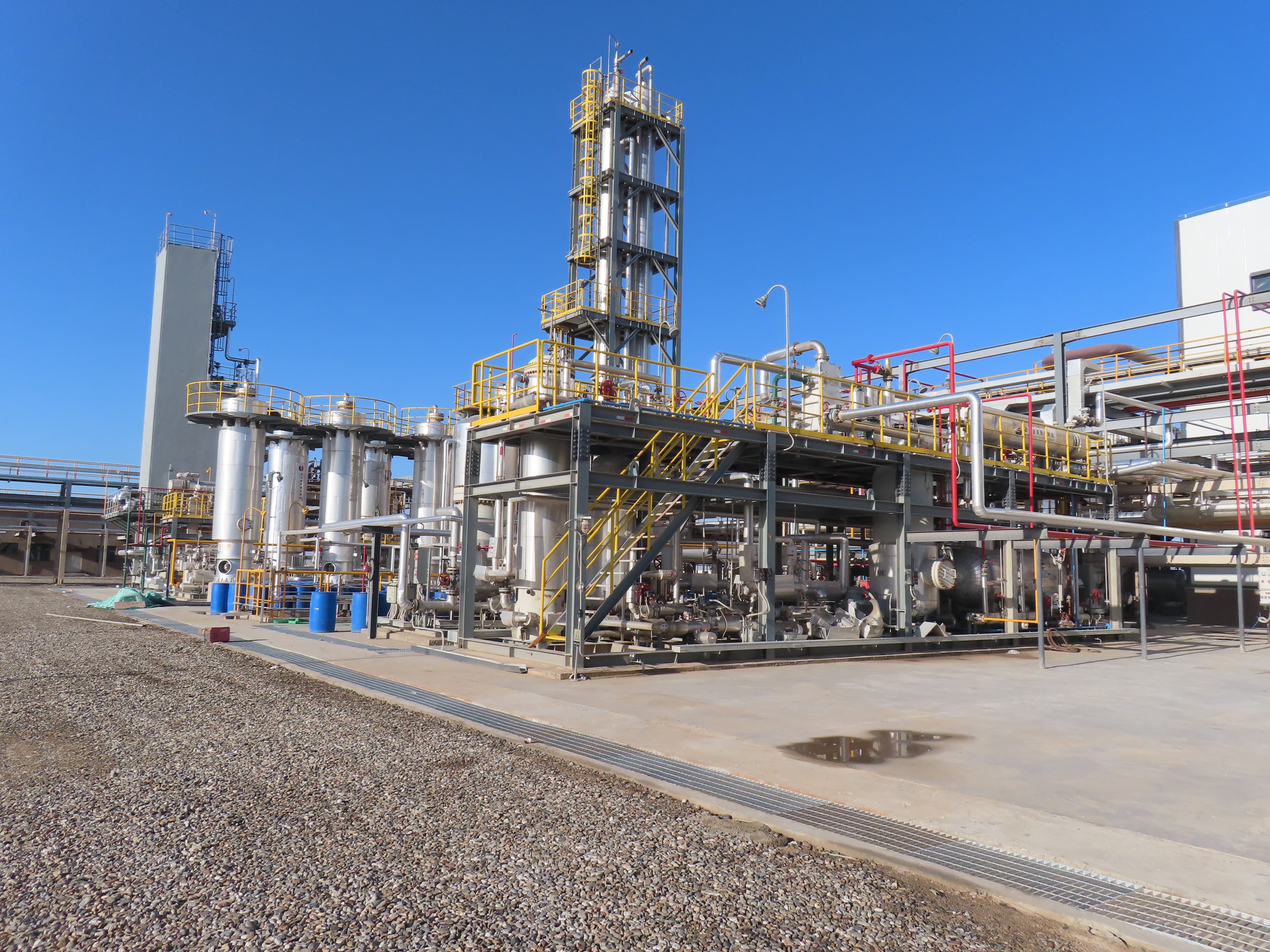
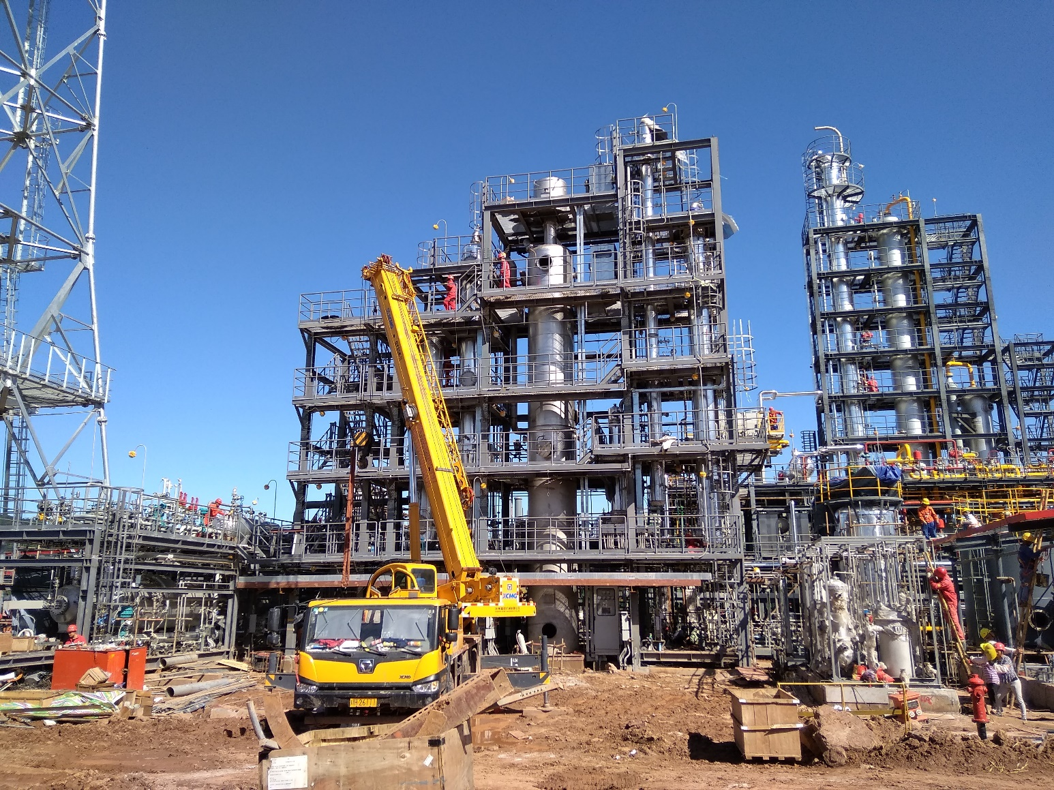
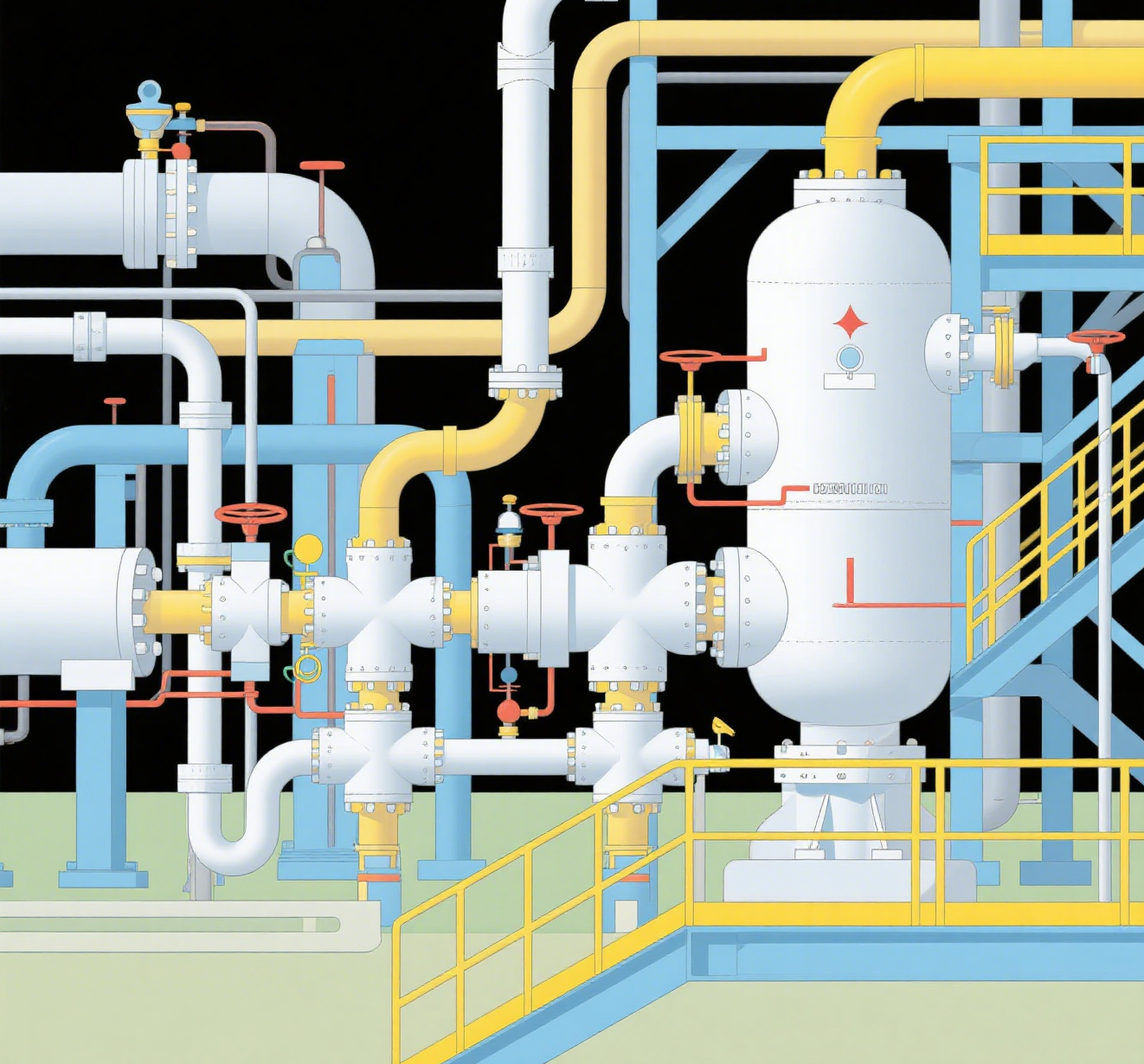
LNG liquid is revolutionizing energy distribution and storage with its ultra-compact, transportable form. By cooling natural gas to -162°C, its volume shrinks 600x, enabling cost-effective global shipping via cryogenic tankers to regions beyond pipeline reach. This makes LNG liquid indispensable for powering gas-fired plants, industrial hubs, and off-grid communities, ensuring energy security while cutting emissions versus coal or oil. As renewable energy grows, LNG liquid serves as the perfect grid-balancing partner, ready to meet demand when solar/wind lag.
Transportation is undergoing an LNG liquid revolution, particularly in heavy-duty sectors. The shipping industry relies on LNG liquid to meet IMO 2020 sulfur caps, slashing emissions by 90% compared to traditional marine fuels. Trucking fleets and mining/construction equipment are switching to LNG liquid for its cleaner burn and stable pricing. Emerging applications include LNG-powered aircraft and railways, with cryogenic fueling infrastructure expanding globally. This positions LNG liquid as the bridge fuel for decarbonizing transport while hydrogen and electric solutions scale up.
Industrial innovation thrives on LNG liquid's versatility. It enables high-precision manufacturing in glass, steel, and electronics through controlled combustion. The food industry uses LNG liquid for cryogenic freezing and refrigeration, while tech companies deploy it to cool data centers and superconductors. Small-scale LNG liquid solutions are disrupting remote energy markets, with modular liquefaction units turning flare gas into profit. As renewable LNG (from biogas) and carbon-neutral synthetic LNG emerge, LNG liquid's role in the circular energy economy will only expand.
Copyright © Sichuan RongTeng Automation Equipment Co., Ltd. — Privacy Policy