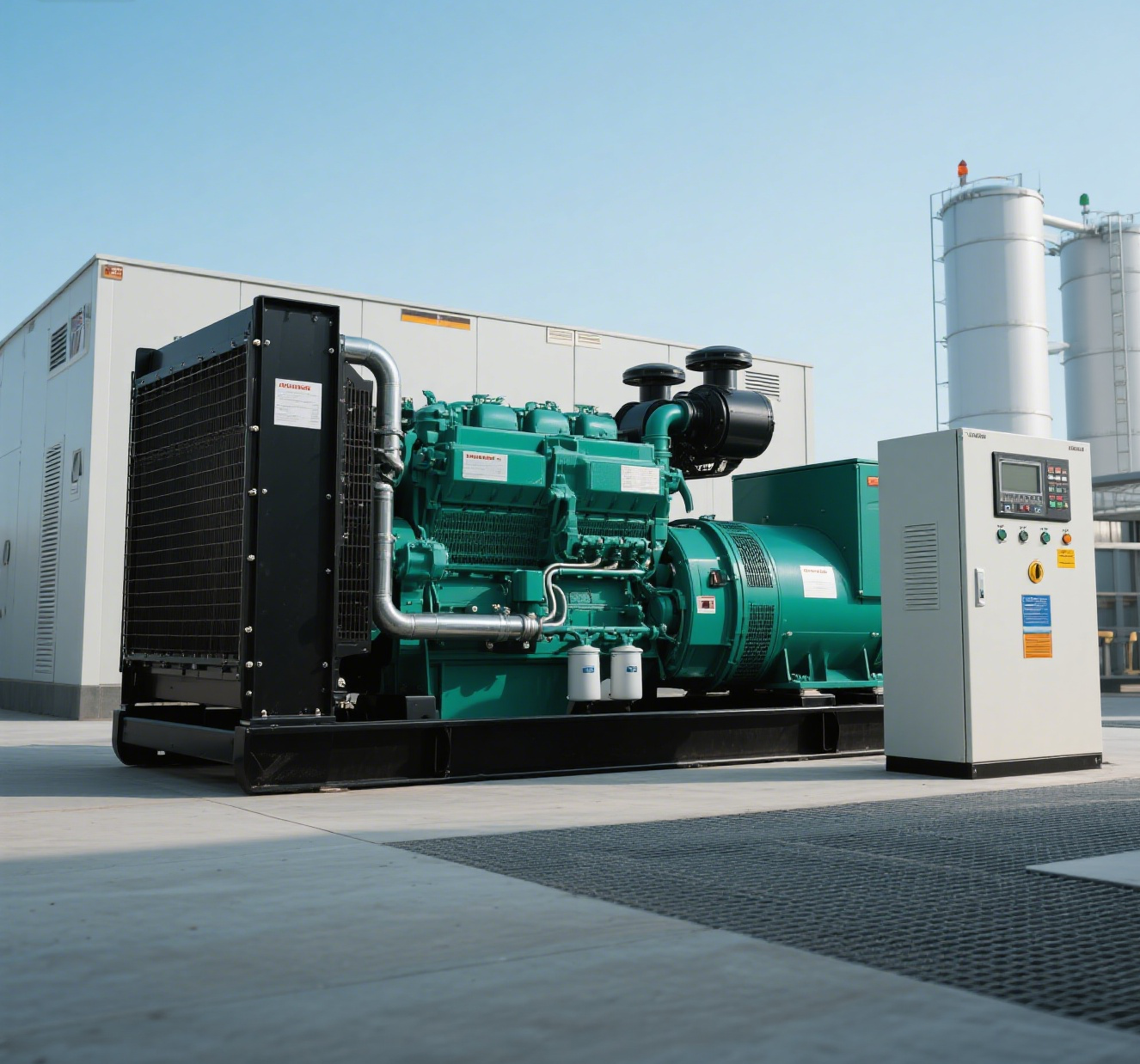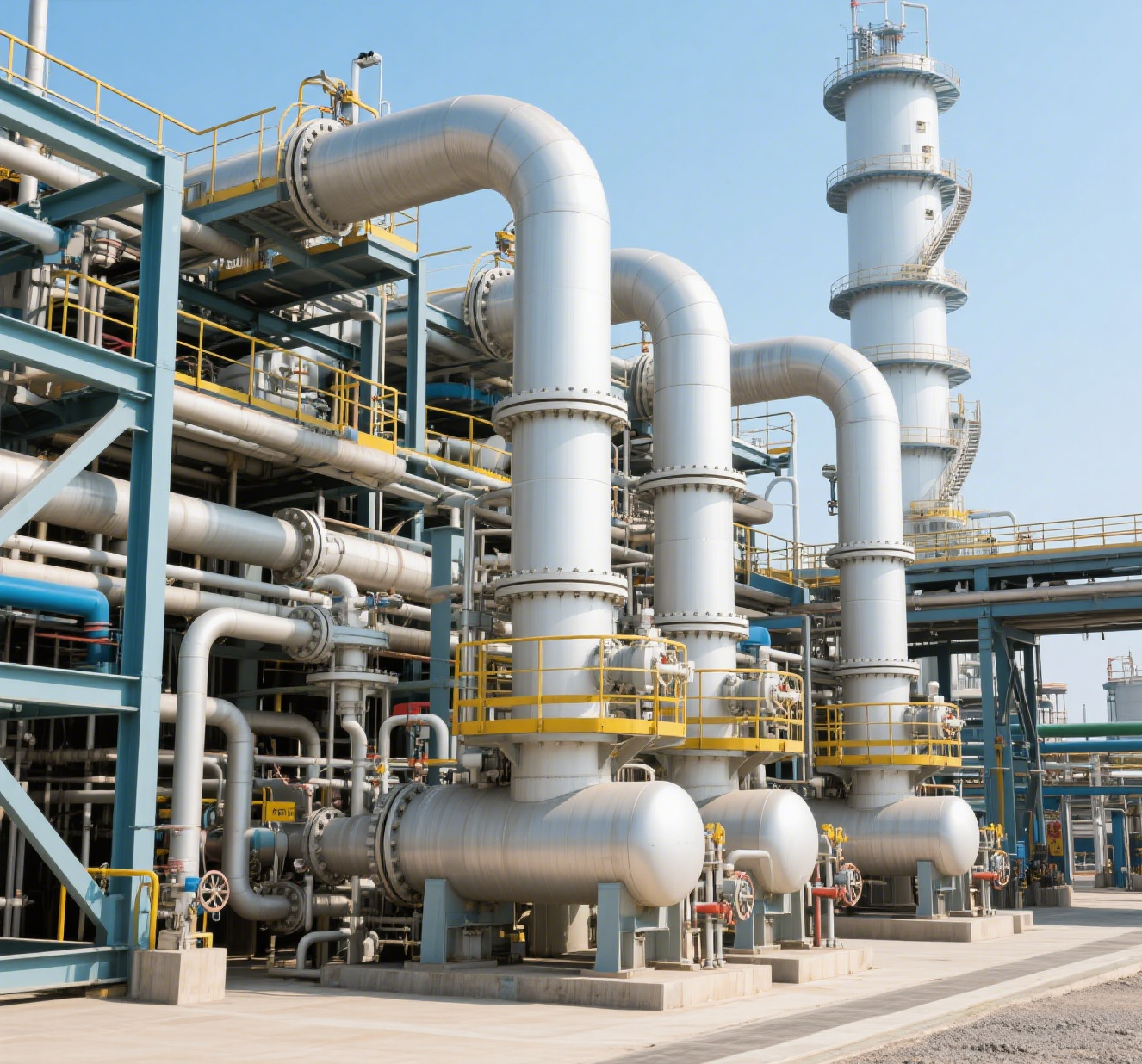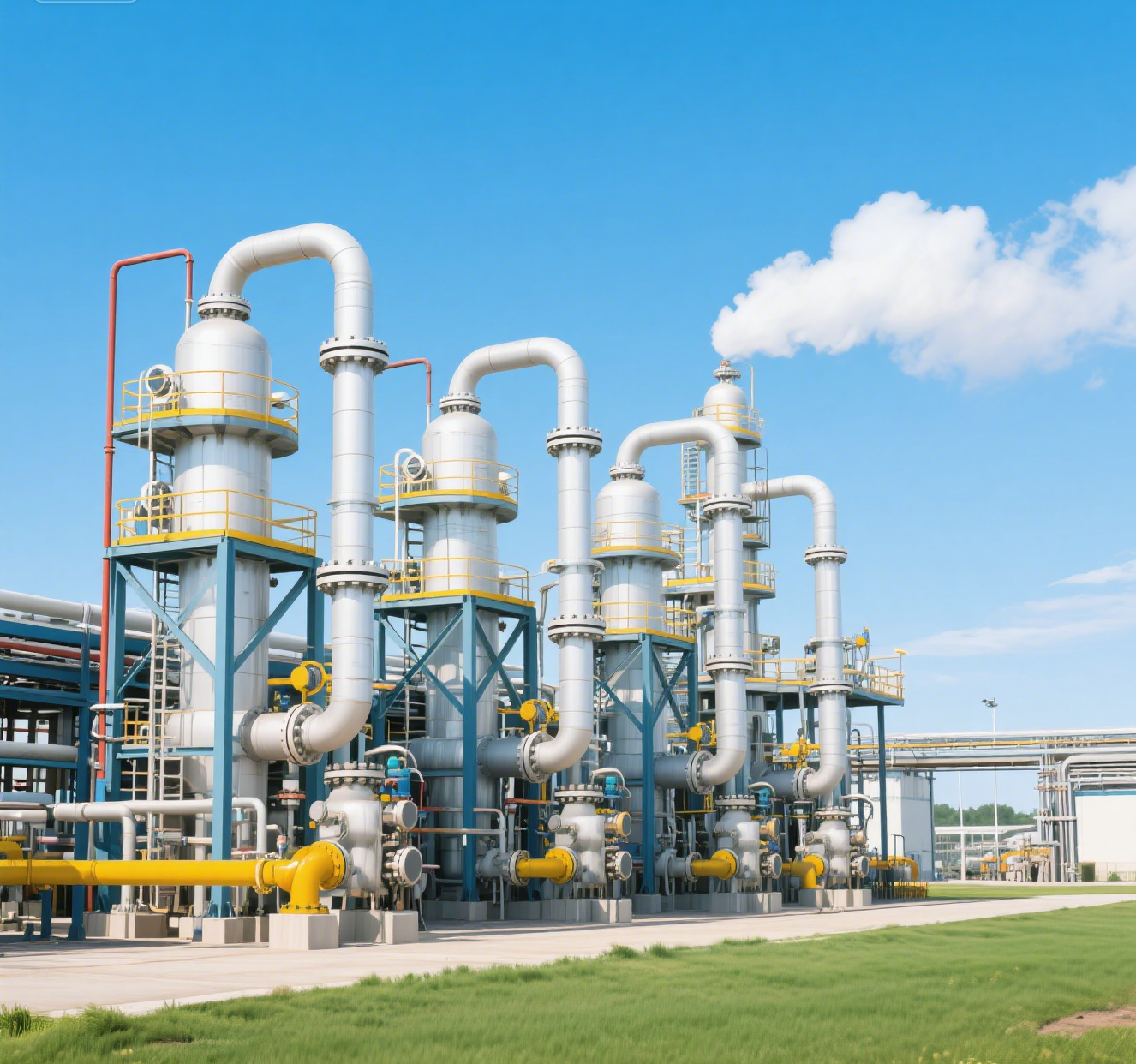
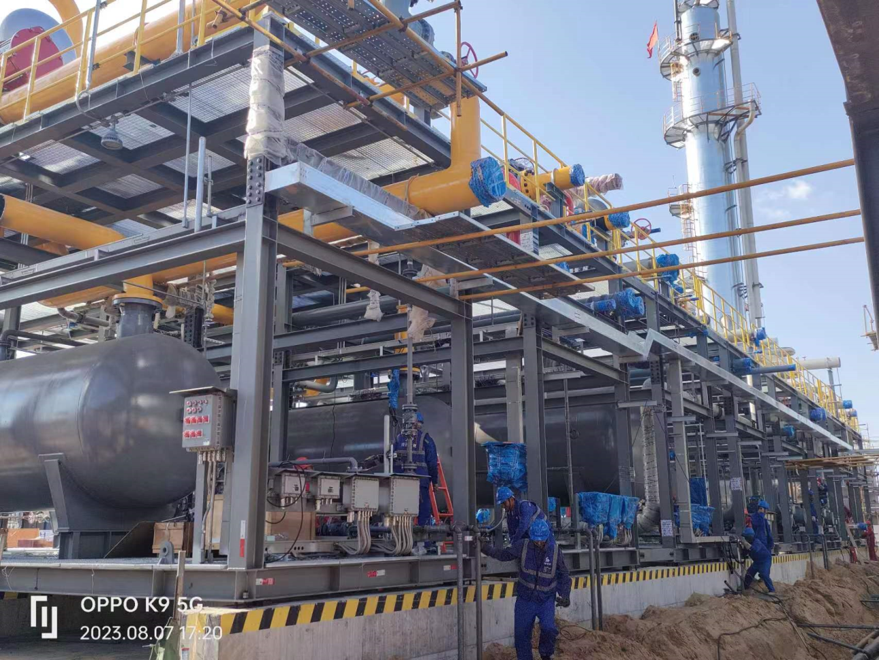
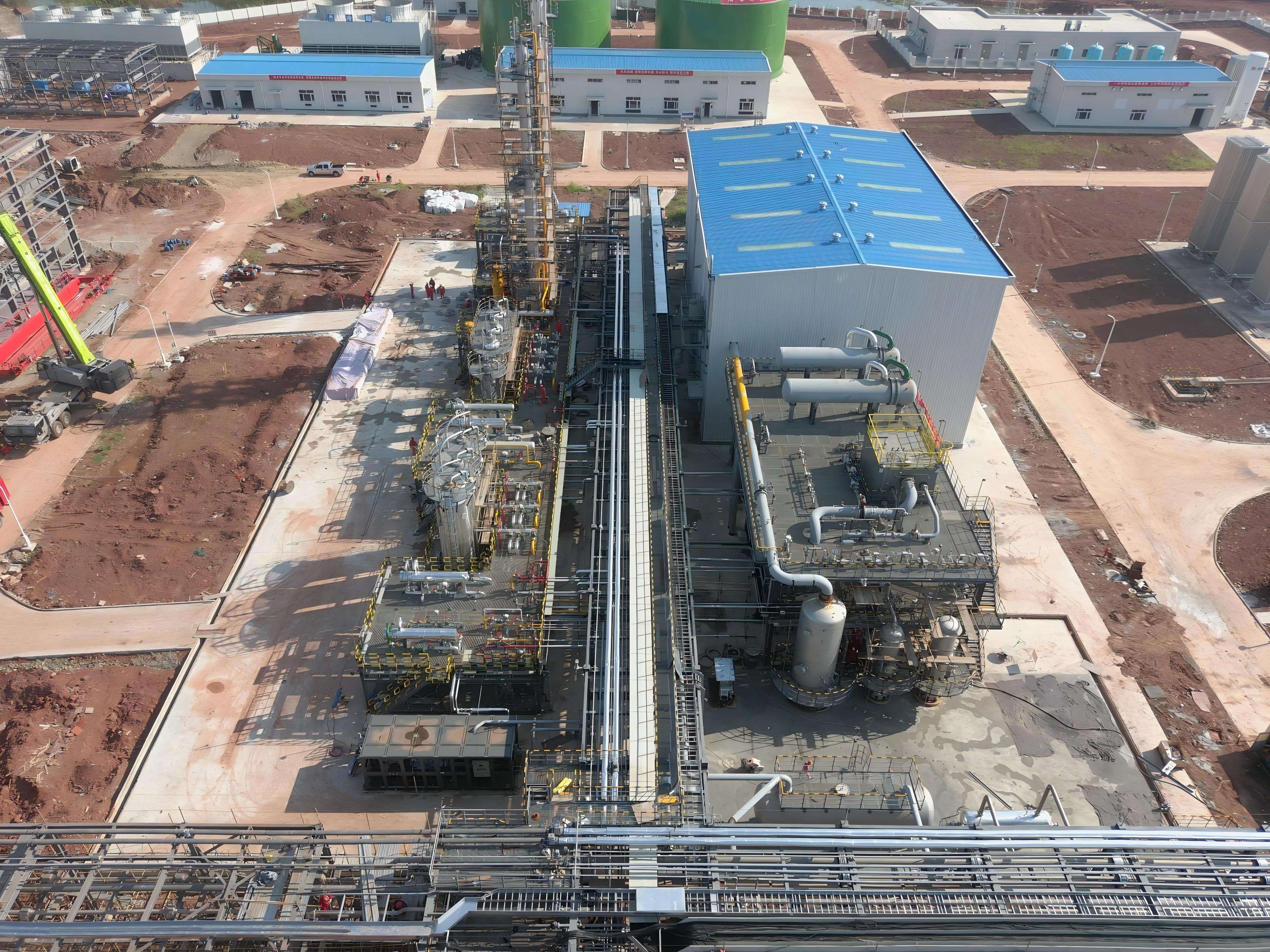
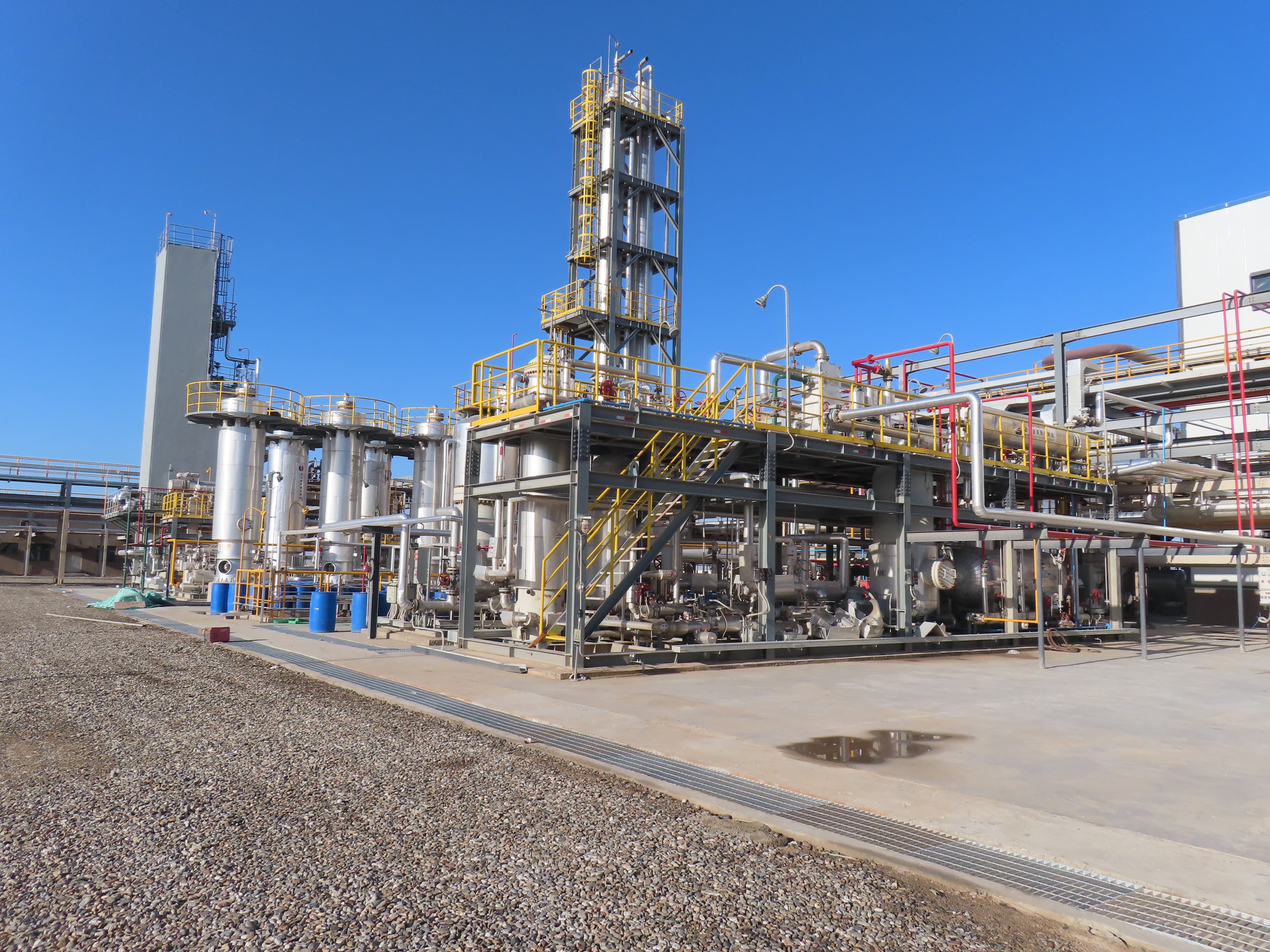
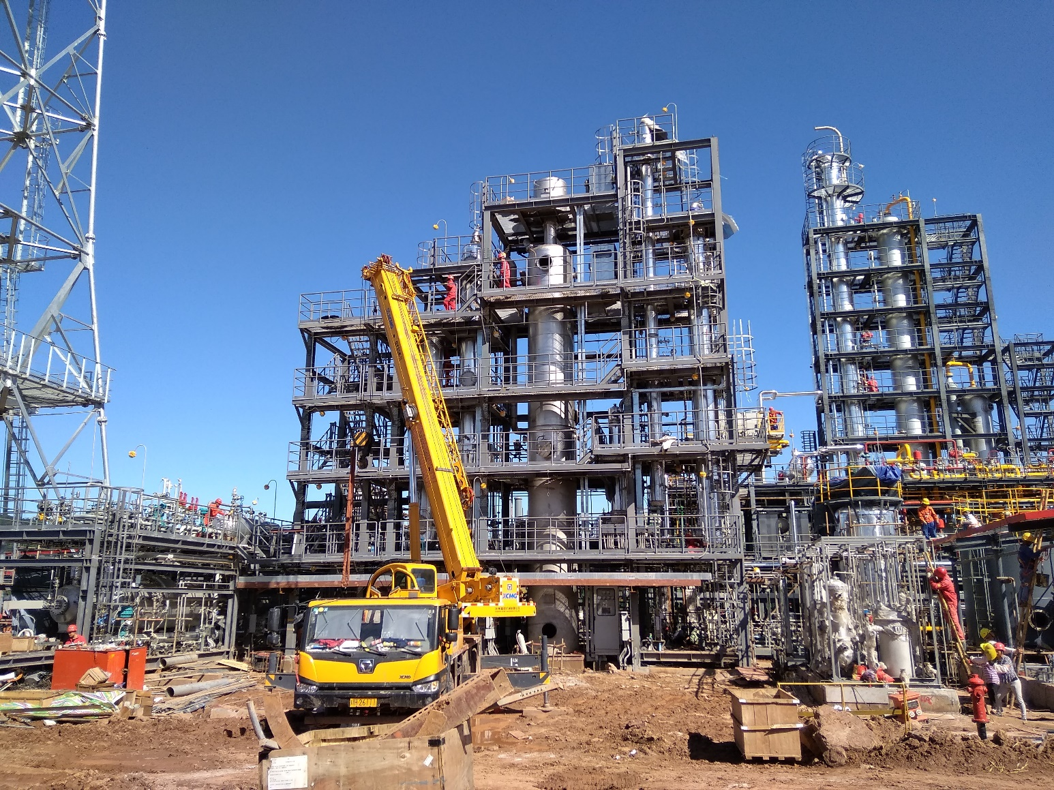
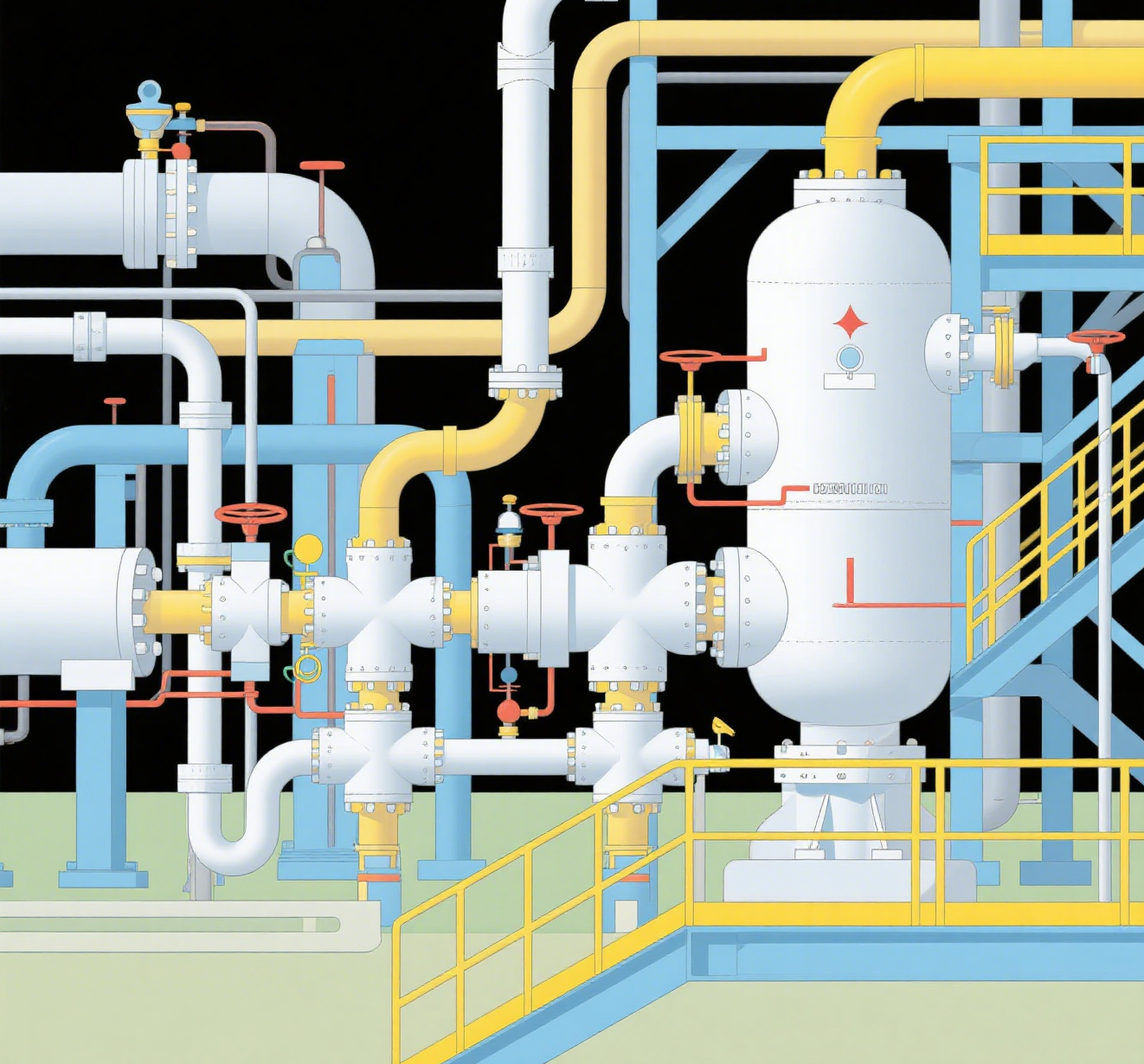
Energy and transportation sectors rely on gas liquefaction to unlock efficient fuel storage and global distribution. By cooling natural gas to -162°C, LNG (liquefied natural gas) becomes 600x more compact, enabling transoceanic shipping to energy-hungry markets without pipeline access. The same technology produces liquid hydrogen (-253°C) for zero-emission transport and liquid oxygen/ nitrogen for industrial gases, revolutionizing how we store and move clean energy. As renewable power grows, large-scale liquefaction plants are becoming critical for balancing intermittent energy with liquid air energy storage (LAES) systems.
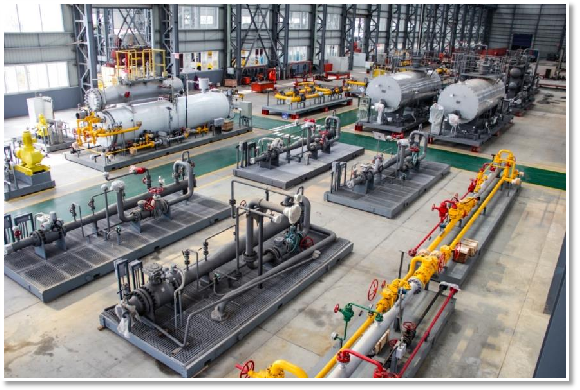
Industrial manufacturing depends on liquefied gases for ultra-cold processes and specialty applications. Cryogenic liquefaction creates liquid nitrogen for food freezing, liquid helium for MRI machines, and liquid CO₂ for dry ice production. The semiconductor industry uses liquefied argon and other ultra-pure gases in chip fabrication, while aerospace relies on liquefied propellants like methane and oxygen for next-gen rockets. With advanced liquefaction skids now modular and scalable, even small factories can harness these technologies for precision cooling, inert atmospheres, and waste gas recovery.
Emerging clean tech applications are pushing liquefaction innovation further. Small-scale biogas liquefaction turns agricultural waste into renewable LNG (bio-LNG), while hydrogen liquefaction enables heavy transport decarbonization. Medical facilities use compact liquefiers for cryopreservation and oxygen storage, and energy hubs deploy micro-liquefaction for peak shaving and grid resilience. As carbon capture advances, direct air capture (DAC) plants may liquefy CO₂ for sequestration or synthetic fuels—making gas liquefaction a cornerstone of the circular economy.
Copyright © Sichuan RongTeng Automation Equipment Co., Ltd. — Privacy Policy